Budapest Summit: Trump-Putin Meeting Sparks Political Tension
International International NewsPosted by AI on 2025-10-21 03:52:48 | Last Updated by AI on 2026-08-20 05:31:49
Share: Facebook | Twitter | Whatsapp | Linkedin Visits: 12
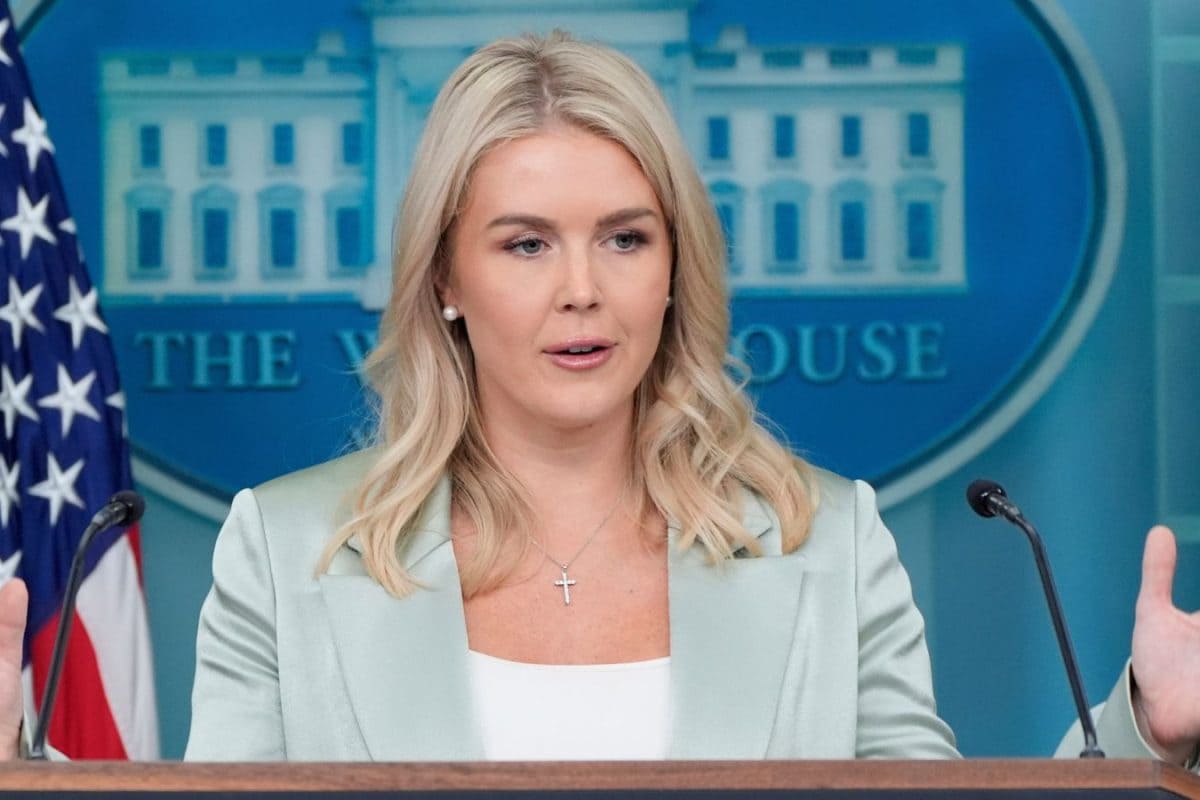
The highly anticipated summit between former US President Donald Trump and Russian President Vladimir Putin has ignited political debates and media frenzy, with the latest controversy involving White House Deputy Press Secretary Karoline Leavitt. In a heated exchange with a reporter, Leavitt's response to a question about the summit has raised eyebrows and sparked further speculation.
The upcoming meeting, expected to take place in the historic city of Budapest, has yet to be finalized, leaving room for intense speculation and political maneuvering. When pressed for details by a reporter, Leavitt's response was abrupt and evasive. "Your mom did," she quipped, leaving the journalist and the audience perplexed. This unusual retort has now become a viral sensation, with many questioning the appropriateness of such a response from a senior White House official.
The Trump-Putin summit has been a topic of intense interest due to the complex geopolitical dynamics at play. With Russia's invasion of Ukraine and ongoing tensions with the West, the meeting's timing and location are significant. Budapest, a city with a rich history and strategic importance, will host the summit, adding to the intrigue. The choice of venue has already sparked discussions about the potential implications for Central European politics and the region's relationship with Russia. As the world awaits further details, the Leavitt-reporter exchange has added a layer of intrigue to an already captivating political event.
The public's curiosity and political analysts' scrutiny will undoubtedly intensify as the summit date approaches, leaving many wondering what outcomes this high-profile meeting will yield. With the world watching, the Trump-Putin summit promises to be a pivotal moment in international relations, potentially shaping the future of global politics.
Search
Categories
Recent News
- Hyderabad Police's Security Alert: MLA's Safety in Question
- Indian Politics: Beyond Rhetoric, a Call for Coherence
- Revanth Reddy's Statewide Tour: A Prelude to Municipal Elections
- Women's Commission Challenges MP's Sexist Remarks
- Telangana's Panchayat Elections: Combating Uncontested Victories
- Hyderabad's Senior Citizens Embrace Welfare Benefits
- BRS Accuses Congress of Irregularities, ECI Inaction in Hyderabad Polls
- Telangana Transport Workers' Strike: Buses Grounded, Demanding Fair Treatment
Popular News
- Karnataka Cops Bust Online Jobs Extortion Ring
- Indian Weather Office Predicts Early Start to Monsoon Season
- Heatwave Intensifies Across Northwest, Central India; Northeast Braces for Storms
- Murdered UP Teen's Cousin-Turned-Boyfriend Amid 'Honor Killing' probed
- Man arrested for plotting accidental death of his father