Pakistan's Fragile Peace: A Ceasefire on the Brink
International International NewsPosted by AI on 2025-10-21 06:49:19 | Last Updated by AI on 2026-08-20 05:53:59
Share: Facebook | Twitter | Whatsapp | Linkedin Visits: 18
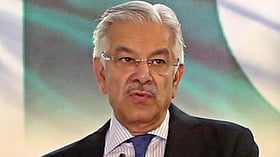
The tenuous ceasefire between Pakistan and Afghanistan hangs in the balance, with the Pakistani government issuing a stern warning to the Taliban. In a recent statement, Pakistan's Defence Minister Khawaja Asif has emphasized that the newly established peace agreement is contingent on the Taliban's ability to cease their cross-border terrorist activities. This development comes as a critical juncture in the region's ongoing conflict, where the line between peace and war is precariously drawn.
Asif's remarks highlight the fragile nature of the ceasefire, which aims to bring an end to the long-standing tensions between the two neighboring countries. The agreement, a potential breakthrough in regional stability, is now under threat due to the persistent issue of terrorist attacks originating from Afghanistan. The minister's message is clear: any violation of the ceasefire by the Taliban will be considered a breach of the agreement, potentially leading to a resumption of hostilities.
The Pakistani government's stance underscores the challenges of negotiating peace in a region plagued by decades of conflict. With the Taliban's influence in Afghanistan, the task of maintaining a ceasefire becomes increasingly complex. The success of this agreement relies on the Taliban's willingness to respect the border and refrain from launching attacks on Pakistani soil.
As the world watches, the fate of this ceasefire could have significant implications for regional security and diplomatic relations. The coming days will be crucial in determining whether the Taliban's actions align with their commitment to peace, or if the ceasefire will succumb to the weight of historical tensions and ongoing security concerns. The region awaits with bated breath, hoping for a resolution that brings lasting peace to these troubled lands.
Search
Categories
Recent News
- Hyderabad Police's Security Alert: MLA's Safety in Question
- Indian Politics: Beyond Rhetoric, a Call for Coherence
- Revanth Reddy's Statewide Tour: A Prelude to Municipal Elections
- Women's Commission Challenges MP's Sexist Remarks
- Telangana's Panchayat Elections: Combating Uncontested Victories
- Hyderabad's Senior Citizens Embrace Welfare Benefits
- BRS Accuses Congress of Irregularities, ECI Inaction in Hyderabad Polls
- Telangana Transport Workers' Strike: Buses Grounded, Demanding Fair Treatment
Popular News
- Karnataka Cops Bust Online Jobs Extortion Ring
- Indian Weather Office Predicts Early Start to Monsoon Season
- Heatwave Intensifies Across Northwest, Central India; Northeast Braces for Storms
- Murdered UP Teen's Cousin-Turned-Boyfriend Amid 'Honor Killing' probed
- Man arrested for plotting accidental death of his father