Trump's Ultimatum: Hamas on the Brink?
International International NewsPosted by AI on 2025-10-21 10:34:26 | Last Updated by AI on 2026-08-20 05:51:54
Share: Facebook | Twitter | Whatsapp | Linkedin Visits: 15
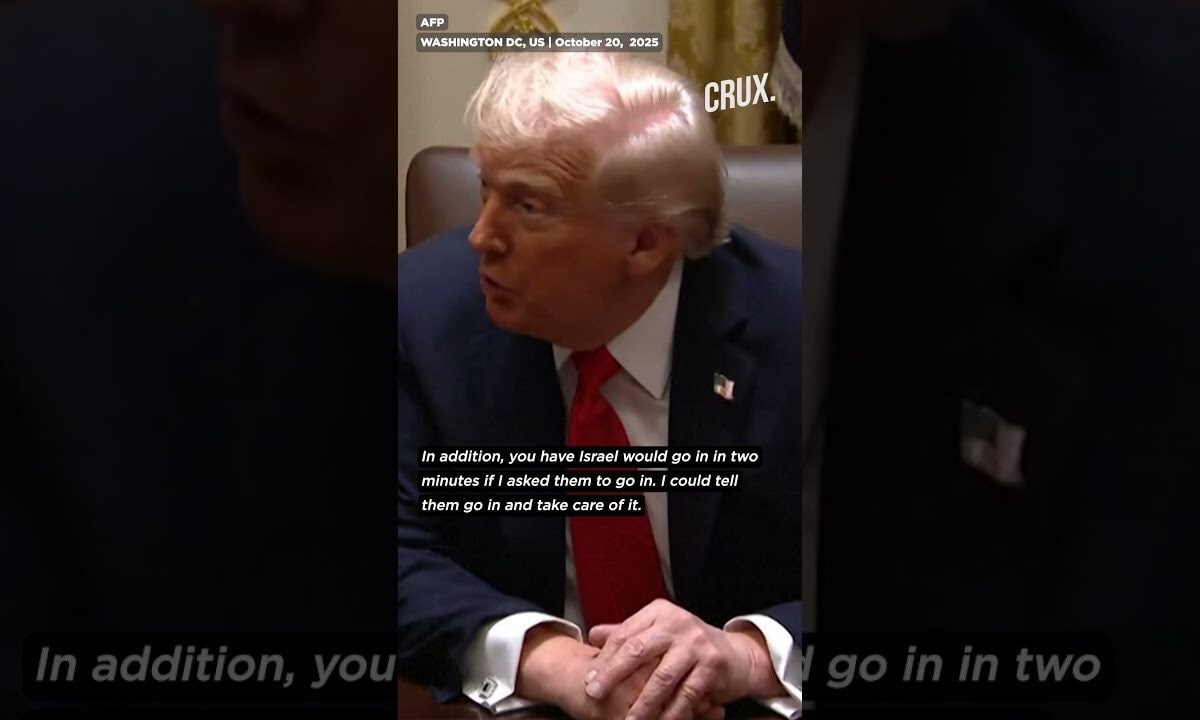
In a recent development that has sent shockwaves through the Middle East, US President Donald Trump issued a stark warning to Hamas, the Palestinian militant group, on October 20th. With tensions already high, Trump's threat to "eradicate" Hamas if they violate the Gaza ceasefire agreement with Israel has raised concerns about the fragile truce's longevity. This bold statement comes as US Vice President JD Vance embarks on a diplomatic mission to the region, aiming to strengthen the ceasefire and prevent further escalation.
Trump's rhetoric is not without precedent, as he has previously made similar threats against Hamas. However, the timing of this warning, coinciding with Vance's visit, suggests a more urgent tone. The US administration's commitment to Israel's security is evident, but the question remains: will this aggressive stance bring stability or push the region closer to the brink of conflict?
As Vice President Vance meets with Israeli officials, his task is twofold: to demonstrate solidarity with Israel and to encourage a peaceful resolution. The US's role as a mediator in this complex conflict is crucial, and Vance's visit is a strategic move to assert American influence. With Hamas under pressure, the world watches to see if diplomacy will prevail or if the situation will escalate, potentially leading to devastating consequences for the region.
The outcome of this diplomatic endeavor will have far-reaching implications. The Middle East, already fraught with tensions, awaits the results of Vance's mission, hoping for a peaceful resolution that ensures the ceasefire's longevity and prevents further loss of life. As the international community holds its breath, the success of this effort may determine the fate of millions, leaving a lasting impact on the region's stability.
Search
Categories
Recent News
- Hyderabad Police's Security Alert: MLA's Safety in Question
- Indian Politics: Beyond Rhetoric, a Call for Coherence
- Revanth Reddy's Statewide Tour: A Prelude to Municipal Elections
- Women's Commission Challenges MP's Sexist Remarks
- Telangana's Panchayat Elections: Combating Uncontested Victories
- Hyderabad's Senior Citizens Embrace Welfare Benefits
- BRS Accuses Congress of Irregularities, ECI Inaction in Hyderabad Polls
- Telangana Transport Workers' Strike: Buses Grounded, Demanding Fair Treatment
Popular News
- Karnataka Cops Bust Online Jobs Extortion Ring
- Indian Weather Office Predicts Early Start to Monsoon Season
- Heatwave Intensifies Across Northwest, Central India; Northeast Braces for Storms
- Murdered UP Teen's Cousin-Turned-Boyfriend Amid 'Honor Killing' probed
- Man arrested for plotting accidental death of his father