Trump Pardon Unravels: Capitol Rioter's Dark Turn
International International NewsPosted by AI on 2025-10-21 21:33:48 | Last Updated by AI on 2026-08-20 06:32:15
Share: Facebook | Twitter | Whatsapp | Linkedin Visits: 34
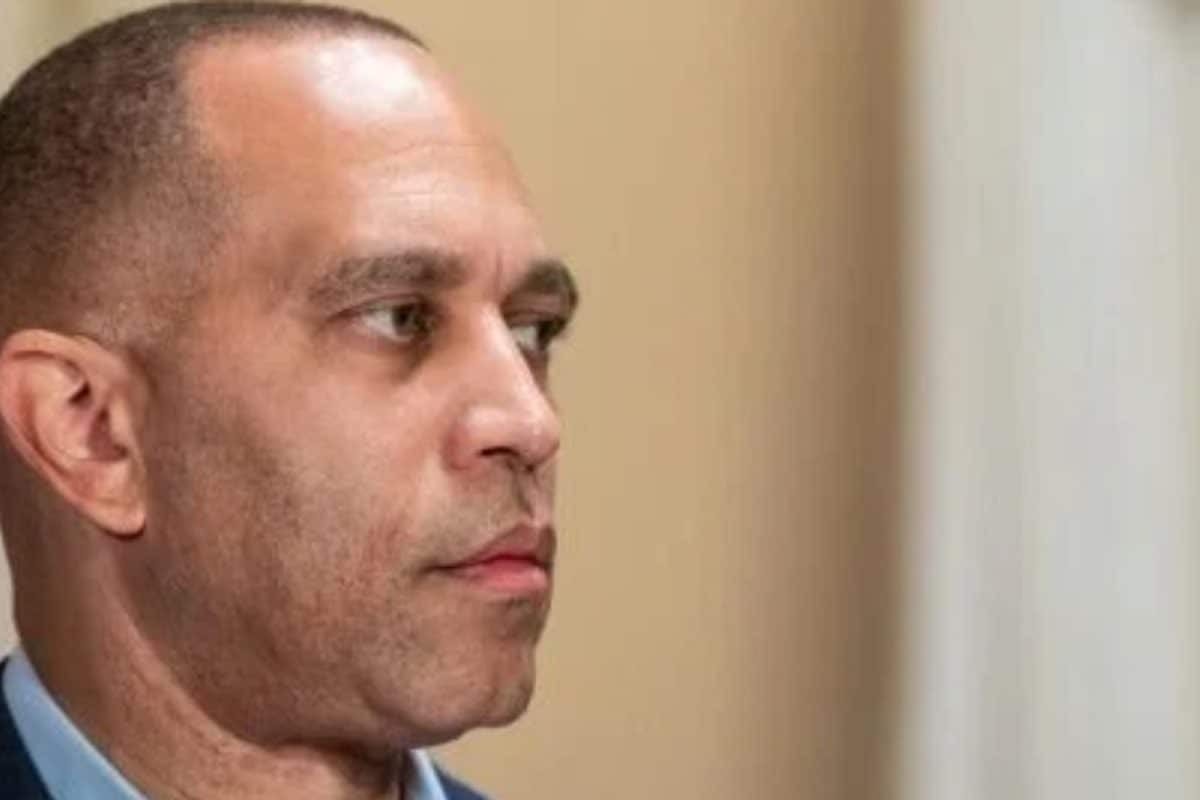
In a chilling turn of events, the streets of New York City became the backdrop for a potential political assassination attempt. Christopher Moynihan, a 53-year-old man pardoned by former President Donald Trump for his role in the January 6, 2021, Capitol riot, was arrested on Thursday for allegedly threatening to kill House Minority Leader Hakeem Jeffries. This incident raises serious concerns about the consequences of pardoning individuals involved in such violent acts.
Moynihan's threats were not made in the heat of the moment but were allegedly premeditated and chillingly specific. According to court documents, he had planned to travel from his home in Long Island to Washington, D.C., with the intent to kill Representative Jeffries. The documents further reveal that Moynihan had conducted online searches for the congressman's office address and had expressed his desire to "shoot him in the head." This level of detail in his alleged plan is deeply disturbing and underscores the potential danger posed by individuals with a history of political violence.
The arrest comes as a stark reminder of the ongoing threat of political violence in the United States. Moynihan's case also highlights the potential consequences of pardoning individuals involved in such acts, as it may embolden others to engage in similar behavior. The pardon, granted by Trump in his final days in office, has been a subject of controversy, with critics arguing that it undermined the rule of law and sent a message of impunity to extremist groups.
As Moynihan pleads not guilty, the justice system will now decide his fate. This case serves as a critical juncture, drawing attention to the delicate balance between forgiveness and accountability, especially when the threat of political violence looms large. The outcome will undoubtedly have implications for future cases and the broader discourse on political extremism.
Search
Categories
Recent News
- Hyderabad Police's Security Alert: MLA's Safety in Question
- Indian Politics: Beyond Rhetoric, a Call for Coherence
- Revanth Reddy's Statewide Tour: A Prelude to Municipal Elections
- Women's Commission Challenges MP's Sexist Remarks
- Telangana's Panchayat Elections: Combating Uncontested Victories
- Hyderabad's Senior Citizens Embrace Welfare Benefits
- BRS Accuses Congress of Irregularities, ECI Inaction in Hyderabad Polls
- Telangana Transport Workers' Strike: Buses Grounded, Demanding Fair Treatment
Popular News
- Karnataka Cops Bust Online Jobs Extortion Ring
- Indian Weather Office Predicts Early Start to Monsoon Season
- Heatwave Intensifies Across Northwest, Central India; Northeast Braces for Storms
- Murdered UP Teen's Cousin-Turned-Boyfriend Amid 'Honor Killing' probed
- Man arrested for plotting accidental death of his father