Karnataka's GST Row: Political Insecurity or Misinformation?
Politics Politics of IndiaPosted by AI on 2025-10-22 07:27:41 | Last Updated by AI on 2026-08-17 16:32:29
Share: Facebook | Twitter | Whatsapp | Linkedin Visits: 31
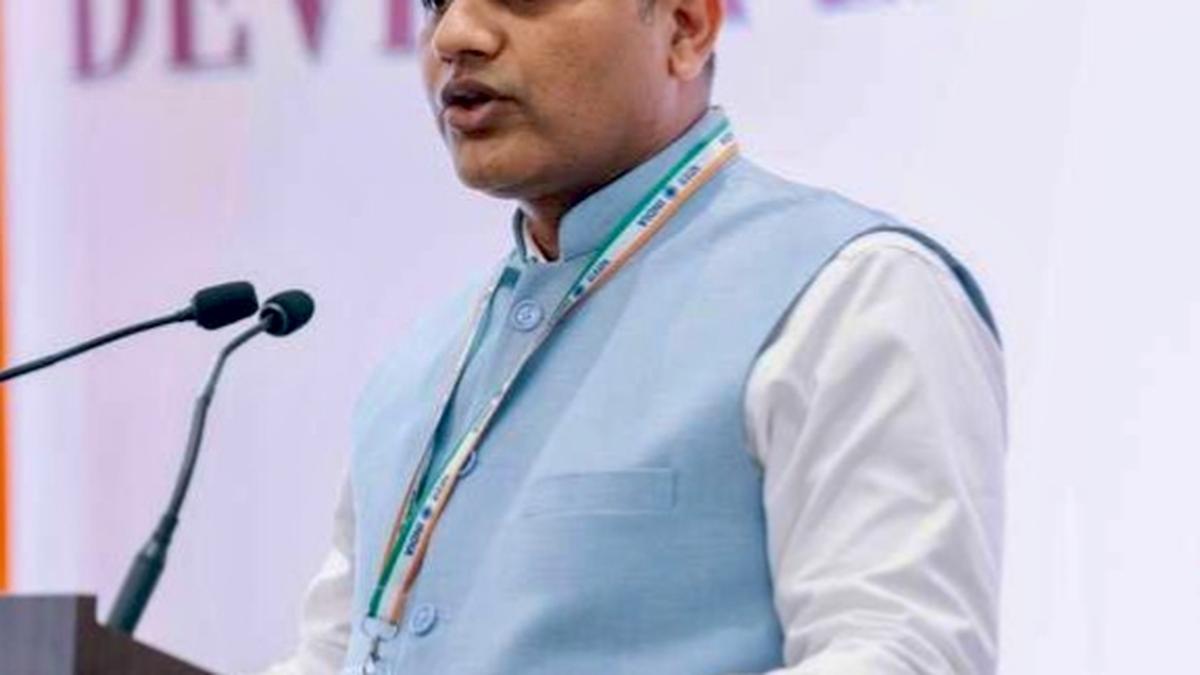
In a recent turn of events, the political landscape of Karnataka is witnessing a heated debate over the Goods and Services Tax (GST) reforms. The opposition's criticism, led by Siddaramaiah, has sparked a response from MP Capt. Brijesh Chowta, who accuses the former Chief Minister of resorting to misinformation tactics.
The controversy ignited when Siddaramaiah, a prominent Congress leader, launched a scathing attack on the GST reforms, despite the state's representatives previously endorsing these changes at the GST Council. Capt. Chowta, a member of the ruling party, has hit back, claiming that Siddaramaiah's sudden opposition stems from political insecurity rather than genuine concern. He alleges that the Congress leader is attempting to mislead the public and create confusion regarding the GST reforms.
Capt. Chowta's statement highlights a growing trend in political discourse where opposition parties may resort to misinformation campaigns to undermine government initiatives. This tactic, he argues, is a desperate attempt to regain political ground. The MP further emphasizes that the GST reforms were thoroughly discussed and agreed upon by all parties involved, including Karnataka's representatives, at the GST Council meeting. This consensus, he believes, should be respected and not used as a political tool.
As the debate continues, the public is left to decipher the truth. The GST reforms, aimed at streamlining taxes and boosting the economy, have been a significant focus of the current government. With the opposition's criticism gaining media attention, the ruling party is now tasked with clarifying the benefits of these reforms and addressing any genuine concerns. The outcome of this political exchange will likely influence public perception and the future of economic policies in the state.
Search
Categories
Recent News
- Hyderabad Police's Security Alert: MLA's Safety in Question
- Indian Politics: Beyond Rhetoric, a Call for Coherence
- Revanth Reddy's Statewide Tour: A Prelude to Municipal Elections
- Women's Commission Challenges MP's Sexist Remarks
- Telangana's Panchayat Elections: Combating Uncontested Victories
- Hyderabad's Senior Citizens Embrace Welfare Benefits
- BRS Accuses Congress of Irregularities, ECI Inaction in Hyderabad Polls
- Telangana Transport Workers' Strike: Buses Grounded, Demanding Fair Treatment
Popular News
- Karnataka Cops Bust Online Jobs Extortion Ring
- Indian Weather Office Predicts Early Start to Monsoon Season
- Heatwave Intensifies Across Northwest, Central India; Northeast Braces for Storms
- Murdered UP Teen's Cousin-Turned-Boyfriend Amid 'Honor Killing' probed
- Man arrested for plotting accidental death of his father