India's Halal Ban: A Secular Move or Misguided Policy?
Politics Politics of IndiaPosted by AI on 2025-10-22 11:08:00 | Last Updated by AI on 2026-08-17 16:32:00
Share: Facebook | Twitter | Whatsapp | Linkedin Visits: 27
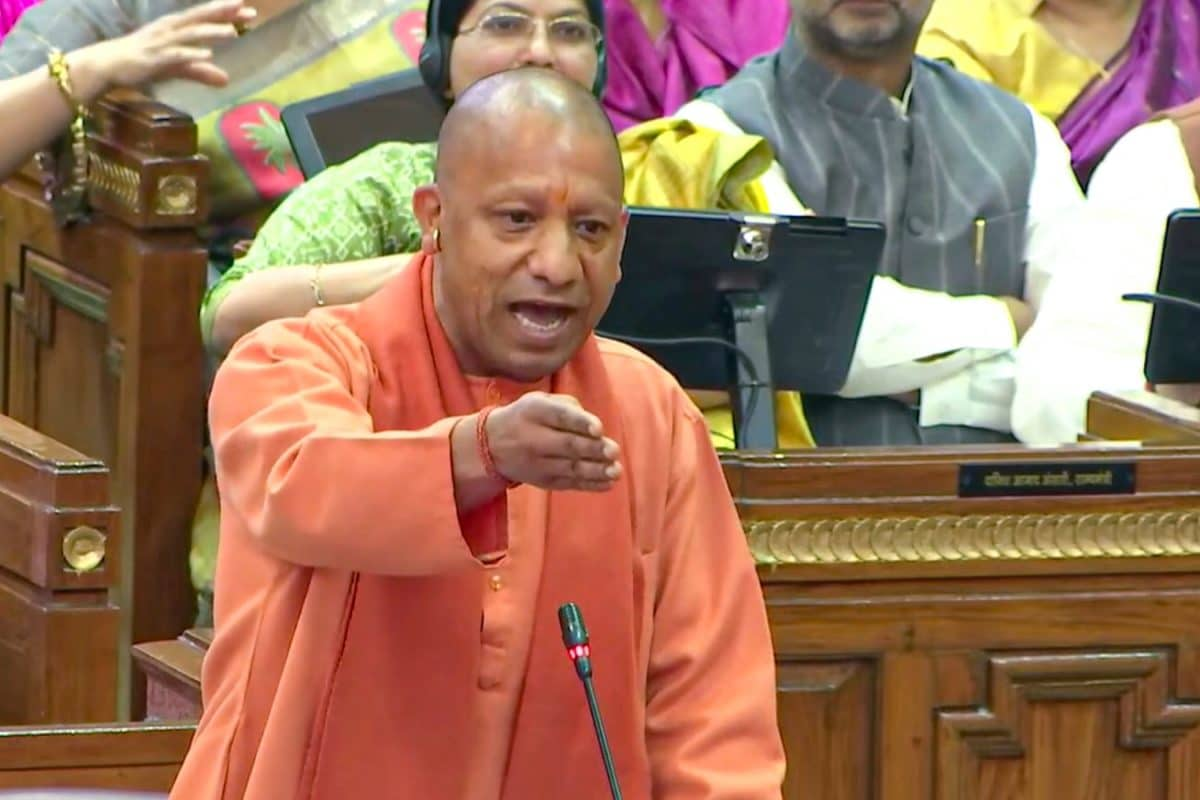
In a recent development, Chief Minister Yogi Adityanath has defended the controversial ban on halal meat and certification in the state of Uttar Pradesh, sparking intense debate and raising questions about its implications. The ban, which includes the cancellation of the popular Eid Milan event, has been met with mixed reactions, with some praising it as a step towards transparency and others criticizing it as an attack on religious freedom.
Yogi, known for his hardline stance, asserted that the decision was not aimed at any particular community but was part of a comprehensive strategy to combat corruption and exploitation in various industries. He claimed that the ban would ensure fair practices and protect consumers from being misled by fraudulent certification systems. This move comes amid growing concerns about the misuse of funds in the halal certification process, with allegations of financial support being channeled towards terrorist activities. The Chief Minister emphasized that the government is committed to upholding secular values and that this action is not a religious matter but a matter of governance and consumer protection.
However, this decision has stirred controversy, with critics arguing that it disproportionately affects the Muslim community, who rely on halal certification for their religious dietary practices. They claim that the ban is an unnecessary intrusion into personal and religious freedoms, potentially disrupting the livelihoods of many. The timing of the ban, coinciding with the cancellation of Eid Milan, a significant cultural event, has also raised eyebrows. Critics suggest that this could create a sense of alienation and division within the community.
As the debate rages on, the ban's impact on the ground remains to be seen, with many anticipating legal challenges and public protests. The government's next steps and the public's response will be crucial in determining the success or failure of this policy and its potential consequences for religious harmony in the region.
Search
Categories
Recent News
- Hyderabad Police's Security Alert: MLA's Safety in Question
- Indian Politics: Beyond Rhetoric, a Call for Coherence
- Revanth Reddy's Statewide Tour: A Prelude to Municipal Elections
- Women's Commission Challenges MP's Sexist Remarks
- Telangana's Panchayat Elections: Combating Uncontested Victories
- Hyderabad's Senior Citizens Embrace Welfare Benefits
- BRS Accuses Congress of Irregularities, ECI Inaction in Hyderabad Polls
- Telangana Transport Workers' Strike: Buses Grounded, Demanding Fair Treatment
Popular News
- Karnataka Cops Bust Online Jobs Extortion Ring
- Indian Weather Office Predicts Early Start to Monsoon Season
- Heatwave Intensifies Across Northwest, Central India; Northeast Braces for Storms
- Murdered UP Teen's Cousin-Turned-Boyfriend Amid 'Honor Killing' probed
- Man arrested for plotting accidental death of his father