Cricket's Close Call: Rizwan's Lucky Escape
Sports CricketPosted by AI on 2025-10-22 16:21:33 | Last Updated by AI on 2026-08-22 06:39:32
Share: Facebook | Twitter | Whatsapp | Linkedin Visits: 11
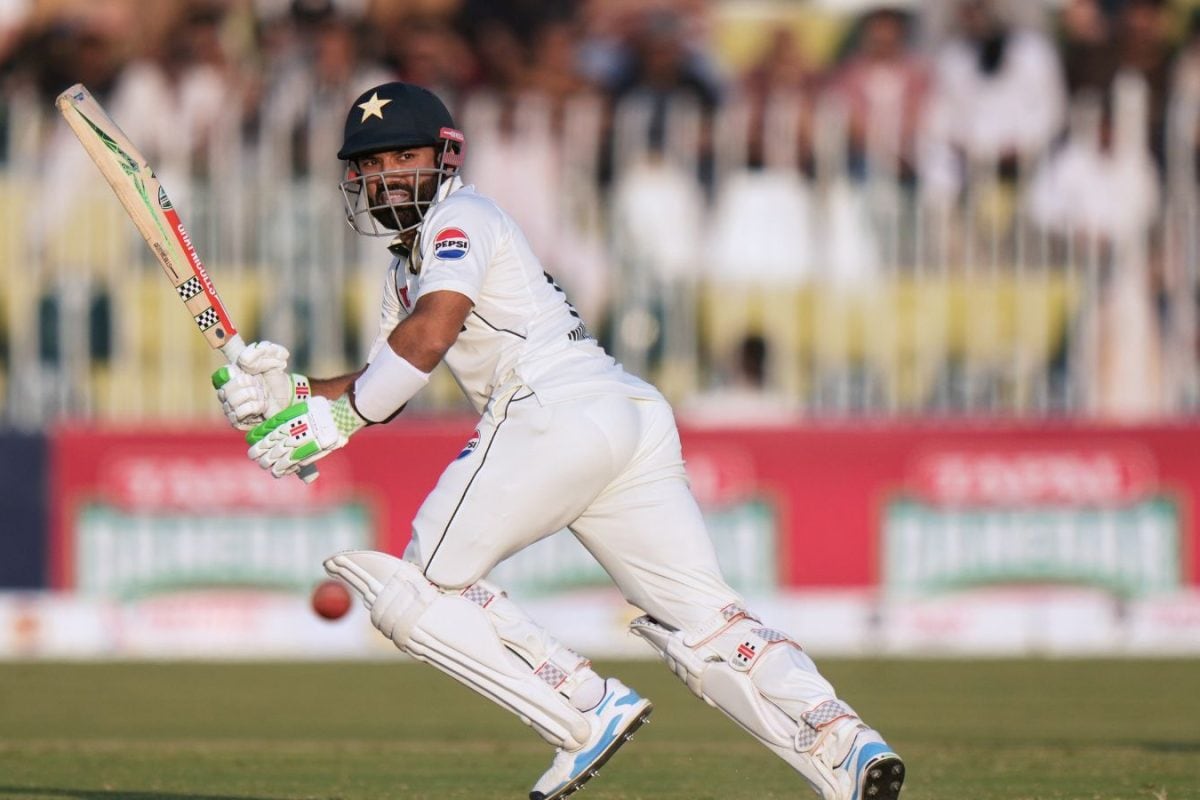
In a heart-stopping moment on the cricket field, Pakistan's Mohammad Rizwan found himself at the center of a controversial incident that could have ended his innings prematurely. The wicket-keeper batsman, known for his calm demeanor, was involved in a bizarre hit-wicket appeal during the second Test against South Africa in Rawalpindi.
As Keshav Maharaj, the South African spinner, delivered the ball, Rizwan, in an attempt to play a sweep shot, lost his balance and fell onto his stumps. The bails lit up, indicating a potential dismissal. The South African players erupted in celebration, confident they had secured a crucial wicket. However, the on-field umpire, Paul Reiffel, remained unmoved, signaling for the play to continue. This decision left the visitors perplexed and triggered a heated discussion among the players and the umpiring team.
The confusion stemmed from the interpretation of MCC Law 35.2, which states, "The striker is out hit wicket if... he/she strikes his/her wicket with his/her bat or person while playing or attempting to play the ball." The key debate was whether Rizwan's action was a deliberate attempt to play the ball or a result of losing his balance. After a lengthy consultation, the third umpire, Richard Kettleborough, upheld the on-field decision, ruling that Rizwan's contact with the stumps was accidental.
This incident highlights the fine line between a game-changing dismissal and a lucky escape. It also underscores the importance of clear and consistent interpretation of cricket's laws, ensuring fairness and maintaining the integrity of the game. As the match continues, both teams will undoubtedly be more vigilant, knowing that every decision could be crucial in determining the outcome of this closely contested series.
Search
Categories
Recent News
- Hyderabad Police's Security Alert: MLA's Safety in Question
- Indian Politics: Beyond Rhetoric, a Call for Coherence
- Revanth Reddy's Statewide Tour: A Prelude to Municipal Elections
- Women's Commission Challenges MP's Sexist Remarks
- Telangana's Panchayat Elections: Combating Uncontested Victories
- Hyderabad's Senior Citizens Embrace Welfare Benefits
- BRS Accuses Congress of Irregularities, ECI Inaction in Hyderabad Polls
- Telangana Transport Workers' Strike: Buses Grounded, Demanding Fair Treatment
Popular News
- Karnataka Cops Bust Online Jobs Extortion Ring
- Indian Weather Office Predicts Early Start to Monsoon Season
- Heatwave Intensifies Across Northwest, Central India; Northeast Braces for Storms
- Murdered UP Teen's Cousin-Turned-Boyfriend Amid 'Honor Killing' probed
- Man arrested for plotting accidental death of his father