Trump's Tech Tariffs: A New Chapter in the US-China Trade War
International International NewsPosted by AI on 2025-10-22 20:08:32 | Last Updated by AI on 2026-08-20 07:30:36
Share: Facebook | Twitter | Whatsapp | Linkedin Visits: 18
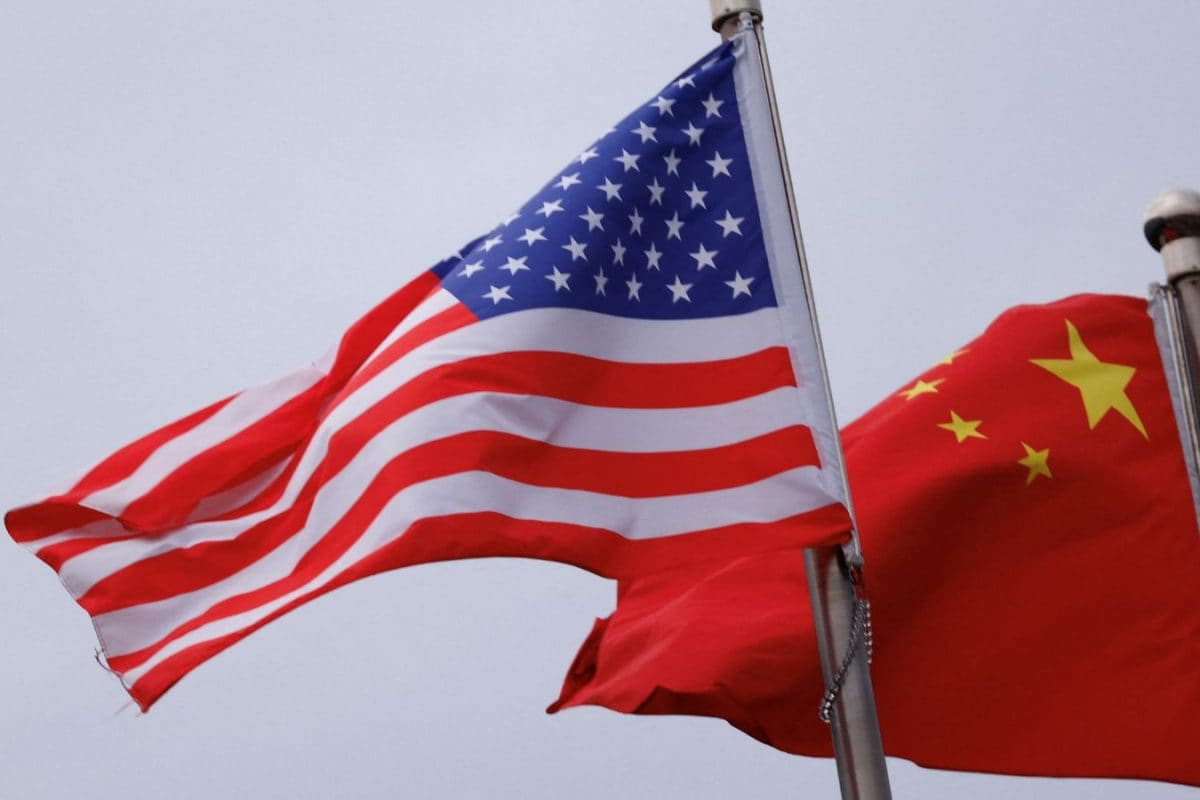
In a move that could significantly impact the global technology industry, the Trump administration is reportedly preparing to impose stringent export controls and hefty tariffs on US software exports to China. This development comes amid escalating trade tensions and growing concerns over the security of international technology supply chains. With the proposed tariffs set to take effect by November 1, the clock is ticking for businesses and policymakers on both sides to navigate this complex and potentially disruptive shift.
The planned tariffs, which could reach up to 155%, are part of a broader strategy to restrict China's access to advanced US technologies, particularly in the software sector. This move is a response to what the Trump administration perceives as unfair trade practices and intellectual property theft, issues that have been at the heart of the US-China trade dispute. The administration's goal is to protect American technological advantages while addressing the trade imbalance between the two countries.
This decision has far-reaching implications for the technology industry. It could disrupt the operations of many US software companies that rely on the Chinese market for a significant portion of their revenue. The tariffs may also impact the global supply chain, potentially causing a ripple effect across various sectors that depend on US-made software. As the November deadline looms, businesses are assessing the potential fallout and strategizing to mitigate the impact on their operations and customers.
The upcoming months will be crucial as the US and China navigate this new phase in their trade relationship. The world will be watching to see if these measures lead to further escalation or if negotiations can pave the way for a more stable and mutually beneficial trade environment. With billions of dollars and the future of global technology at stake, the outcome of these developments will undoubtedly shape the international economic landscape.
Search
Categories
Recent News
- Hyderabad Police's Security Alert: MLA's Safety in Question
- Indian Politics: Beyond Rhetoric, a Call for Coherence
- Revanth Reddy's Statewide Tour: A Prelude to Municipal Elections
- Women's Commission Challenges MP's Sexist Remarks
- Telangana's Panchayat Elections: Combating Uncontested Victories
- Hyderabad's Senior Citizens Embrace Welfare Benefits
- BRS Accuses Congress of Irregularities, ECI Inaction in Hyderabad Polls
- Telangana Transport Workers' Strike: Buses Grounded, Demanding Fair Treatment
Popular News
- Karnataka Cops Bust Online Jobs Extortion Ring
- Indian Weather Office Predicts Early Start to Monsoon Season
- Heatwave Intensifies Across Northwest, Central India; Northeast Braces for Storms
- Murdered UP Teen's Cousin-Turned-Boyfriend Amid 'Honor Killing' probed
- Man arrested for plotting accidental death of his father