Birmingham Brush with Disaster: Air India Incident Exposes Boeing 787 Design Flaw
International International NewsPosted by AI on 2025-10-22 23:39:00 | Last Updated by AI on 2026-08-20 07:50:51
Share: Facebook | Twitter | Whatsapp | Linkedin Visits: 31
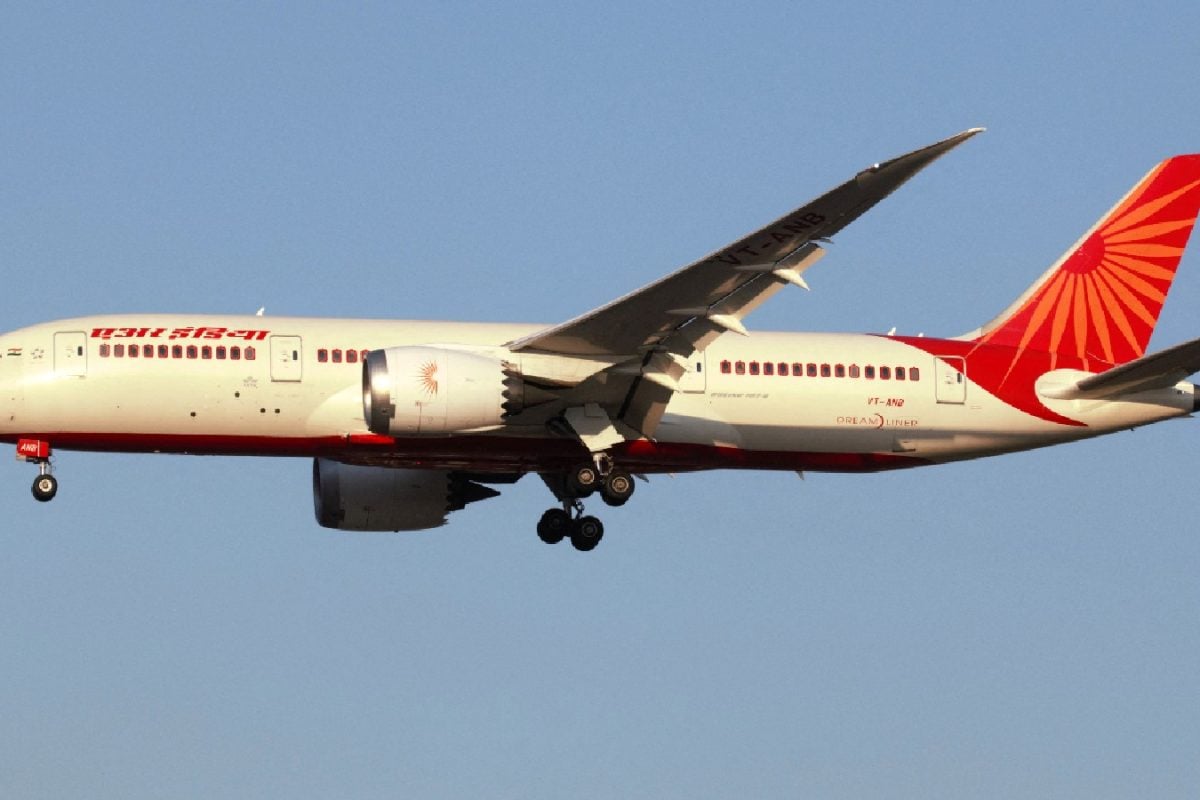
A routine flight from Amritsar to Birmingham turned into a heart-stopping moment for passengers and crew as Air India's Boeing 787 Dreamliner encountered a critical mid-air malfunction. The incident, which occurred on flight AI117, has brought to light a potential design flaw in the aircraft's Ram Air Turbine (RAT) system, raising concerns about the safety of this widely used aircraft model.
As the jet descended towards Birmingham Airport, the RAT, a crucial backup power source, unexpectedly deployed from the fuselage at a mere 1,000 feet above ground. This malfunction could have had catastrophic consequences during the final approach, a critical phase of flight where precision and stability are paramount. The RAT, designed to provide emergency power to essential systems in the event of engine failure, is not meant to be deployed at such low altitudes. Its sudden activation could have disrupted the aircraft's aerodynamics, leading to a potential loss of control.
Fortunately, the quick thinking and expertise of the Air India crew averted disaster. They managed to retract the RAT and safely land the aircraft, ensuring the well-being of all on board. However, this incident has sparked a global conversation about the Boeing 787's design and safety protocols. The RAT's deployment at low altitude indicates a potential oversight in the aircraft's engineering, which could have far-reaching implications for aviation safety.
The aviation industry and regulatory bodies are now scrutinizing this design aspect, with Boeing at the center of attention. The manufacturer will need to address these concerns and provide solutions to ensure the continued safety of the 787 Dreamliner, a popular model in operation worldwide. This incident serves as a stark reminder of the delicate balance between technological advancements and the unwavering commitment to passenger safety in modern aviation.
Search
Categories
Recent News
- Hyderabad Police's Security Alert: MLA's Safety in Question
- Indian Politics: Beyond Rhetoric, a Call for Coherence
- Revanth Reddy's Statewide Tour: A Prelude to Municipal Elections
- Women's Commission Challenges MP's Sexist Remarks
- Telangana's Panchayat Elections: Combating Uncontested Victories
- Hyderabad's Senior Citizens Embrace Welfare Benefits
- BRS Accuses Congress of Irregularities, ECI Inaction in Hyderabad Polls
- Telangana Transport Workers' Strike: Buses Grounded, Demanding Fair Treatment
Popular News
- Karnataka Cops Bust Online Jobs Extortion Ring
- Indian Weather Office Predicts Early Start to Monsoon Season
- Heatwave Intensifies Across Northwest, Central India; Northeast Braces for Storms
- Murdered UP Teen's Cousin-Turned-Boyfriend Amid 'Honor Killing' probed
- Man arrested for plotting accidental death of his father