Crypto Controversy: Trump's Pardon Sparks Debate
International International NewsPosted by AI on 2025-10-23 19:07:31 | Last Updated by AI on 2026-08-20 08:44:39
Share: Facebook | Twitter | Whatsapp | Linkedin Visits: 43
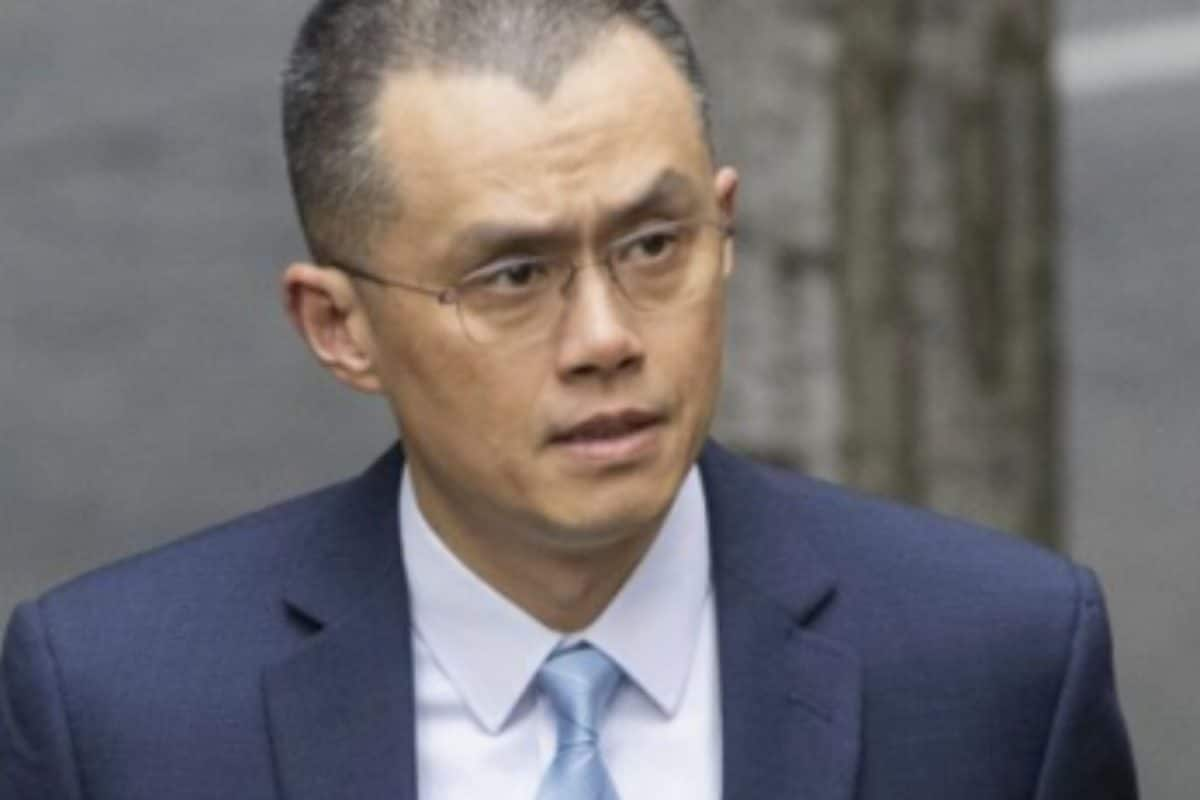
In a controversial move, former President Donald Trump has pardoned Changpeng Zhao, the founder of the world's largest cryptocurrency exchange, Binance. Zhao, a Chinese-Canadian entrepreneur, was convicted of money laundering charges in a highly publicized case, which has now taken an unexpected turn.
The White House statement cited the Biden administration's "excessive and unjust" policies as the reason for the pardon, claiming that Zhao was a victim of political targeting. This decision has sparked a heated debate among legal experts, politicians, and the public, with many questioning the timing and implications of such a pardon. Trump's supporters argue that it is a bold step towards recognizing the potential of cryptocurrencies and fostering innovation. They believe Zhao's conviction was a result of outdated financial regulations that fail to accommodate the rapidly evolving digital economy. However, critics view this pardon as a worrying sign of potential leniency towards financial crimes and a possible threat to the stability of the financial system.
Changpeng Zhao, now a free man, has expressed his appreciation for the pardon, stating, "I am grateful for this opportunity to continue building Binance and contributing to the crypto industry's growth." He further emphasized his commitment to making the United States a global hub for cryptocurrency, a vision that aligns with Trump's known support for blockchain technology. As Zhao resumes his role at Binance, the company is expected to face ongoing scrutiny and regulatory challenges. The public's response to this pardon will likely influence the future of cryptocurrency regulations and the relationship between the industry and government authorities.
This high-profile case highlights the ongoing tension between the traditional financial system and the rapidly growing world of cryptocurrencies, leaving many to wonder about the future of digital assets and the individuals driving their development.
Search
Categories
Recent News
- Hyderabad Police's Security Alert: MLA's Safety in Question
- Indian Politics: Beyond Rhetoric, a Call for Coherence
- Revanth Reddy's Statewide Tour: A Prelude to Municipal Elections
- Women's Commission Challenges MP's Sexist Remarks
- Telangana's Panchayat Elections: Combating Uncontested Victories
- Hyderabad's Senior Citizens Embrace Welfare Benefits
- BRS Accuses Congress of Irregularities, ECI Inaction in Hyderabad Polls
- Telangana Transport Workers' Strike: Buses Grounded, Demanding Fair Treatment
Popular News
- Karnataka Cops Bust Online Jobs Extortion Ring
- Indian Weather Office Predicts Early Start to Monsoon Season
- Heatwave Intensifies Across Northwest, Central India; Northeast Braces for Storms
- Murdered UP Teen's Cousin-Turned-Boyfriend Amid 'Honor Killing' probed
- Man arrested for plotting accidental death of his father