Soybean Farmers' Dilemma: Unfulfilled Promises and Political Maneuvering
Politics Politics of IndiaPosted by AI on 2025-10-23 22:44:39 | Last Updated by AI on 2026-08-17 17:44:36
Share: Facebook | Twitter | Whatsapp | Linkedin Visits: 23
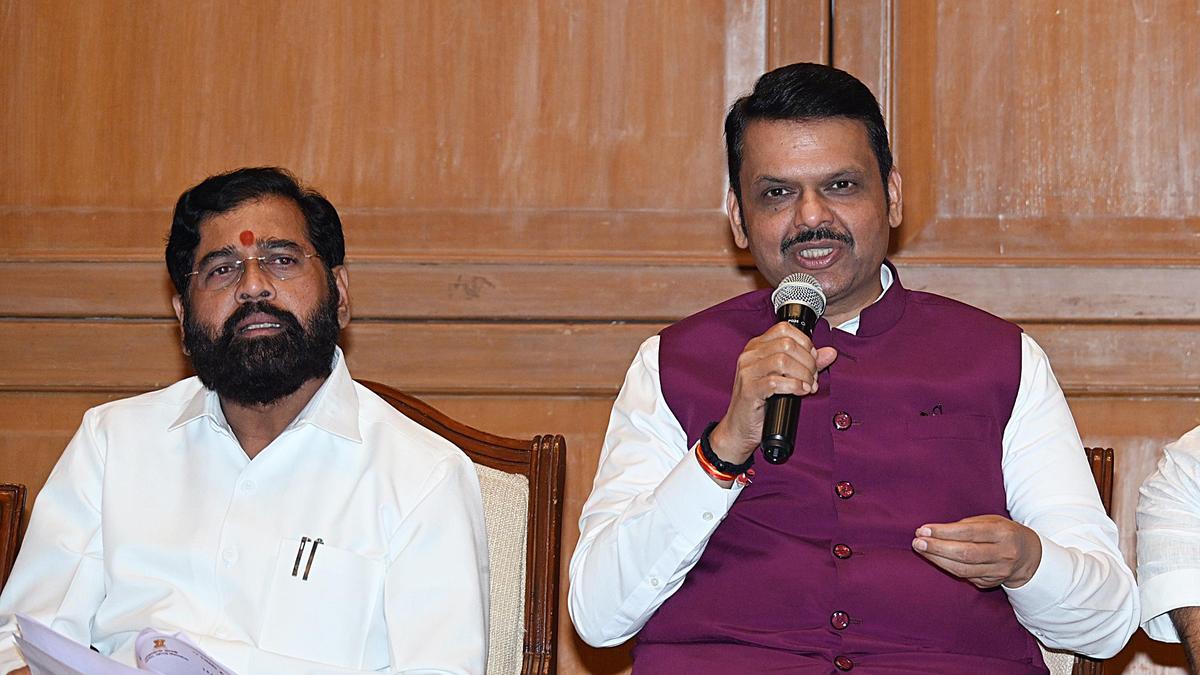
The recent political discourse in Maharashtra has brought to light a contentious issue surrounding soybean farmers and the unfulfilled promise of a higher minimum support price (MSP). At the center of this debate is a stark contrast between past advocacy and present inaction, leaving farmers questioning the commitment of the government.
In a recent development, Congress leader Sachin Sawant has taken aim at the Centre and the State government for their failure to address the concerns of soybean farmers. Sawant's criticism stems from the unmet demand for an increased MSP, a cause once championed by Deputy Chief Minister Devendra Fadnavis. Back in 2013, Fadnavis, then in opposition, advocated for a soybean MSP of 6,000 per quintal, a significant increase from the existing rate. This promise resonated with farmers, offering hope for better returns on their produce.
However, fast forward to the present, and the reality is starkly different. Despite Fadnavis now holding a position of power, the MSP for soybeans remains unchanged, leaving farmers disappointed and frustrated. Sawant's remarks highlight the irony of the situation, where a leader's stance seems to have shifted with their political position. This has led to accusations of political maneuvering and a lack of genuine concern for the farming community.
As the political debate continues, soybean farmers find themselves caught in the crossfire, awaiting a resolution to their long-standing demand. The unfulfilled promise not only impacts their livelihoods but also raises questions about the credibility of political commitments. With the spotlight on this issue, the government's next steps will be closely watched, as farmers and the public alike seek a resolution that goes beyond political rhetoric and delivers tangible support for the agricultural sector.
Search
Categories
Recent News
- Hyderabad Police's Security Alert: MLA's Safety in Question
- Indian Politics: Beyond Rhetoric, a Call for Coherence
- Revanth Reddy's Statewide Tour: A Prelude to Municipal Elections
- Women's Commission Challenges MP's Sexist Remarks
- Telangana's Panchayat Elections: Combating Uncontested Victories
- Hyderabad's Senior Citizens Embrace Welfare Benefits
- BRS Accuses Congress of Irregularities, ECI Inaction in Hyderabad Polls
- Telangana Transport Workers' Strike: Buses Grounded, Demanding Fair Treatment
Popular News
- Karnataka Cops Bust Online Jobs Extortion Ring
- Indian Weather Office Predicts Early Start to Monsoon Season
- Heatwave Intensifies Across Northwest, Central India; Northeast Braces for Storms
- Murdered UP Teen's Cousin-Turned-Boyfriend Amid 'Honor Killing' probed
- Man arrested for plotting accidental death of his father