Jayalalithaa's Musical Outcry: Defending Freedom of Expression
Politics Politics of IndiaPosted by AI on 2025-10-24 01:11:11 | Last Updated by AI on 2026-08-17 17:57:48
Share: Facebook | Twitter | Whatsapp | Linkedin Visits: 18
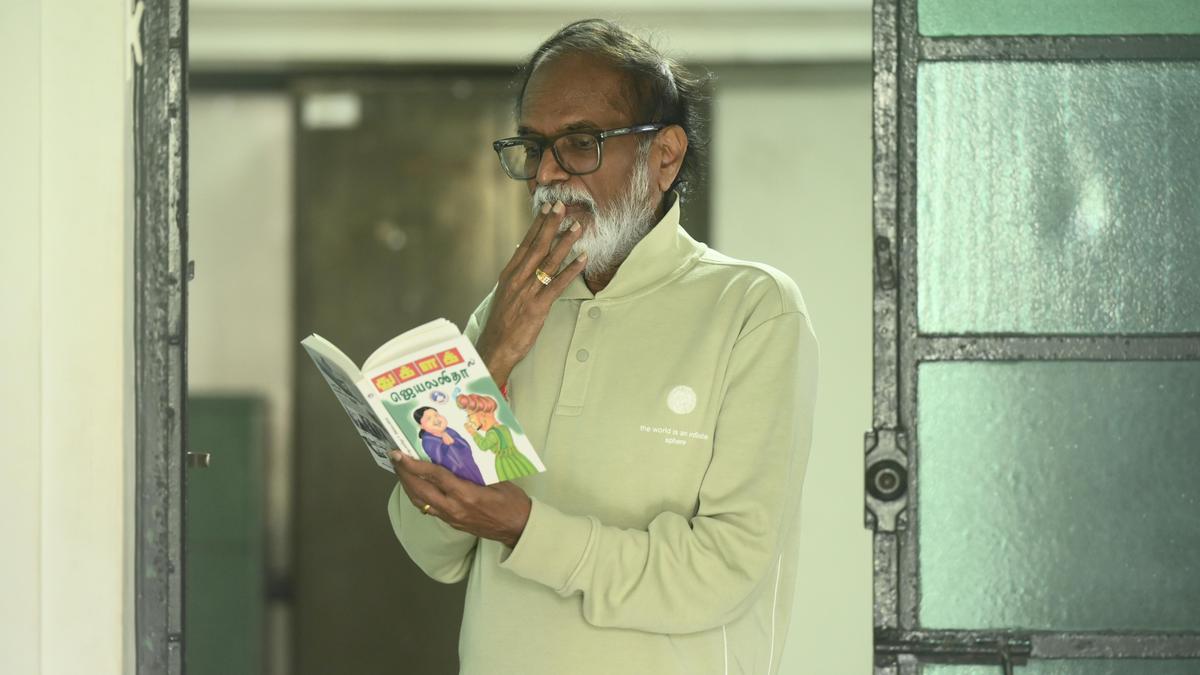
In a bold display of her unwavering support for artistic freedom, former Chief Minister Jayalalithaa took to the pages of Thuglak magazine to voice her dissent against two seemingly unrelated yet significant censorship incidents. The year was 1979, and the world was witnessing a pivotal moment in the history of Iran as the country's new Supreme Leader, Ayatollah Ruhollah Khomeini, imposed a sweeping ban on music across radio and television. This decision sparked outrage and concern, and among those who spoke out was Jayalalithaa, who, in a surprising twist, connected this international event to a local controversy involving a Tamil film song.
The former Chief Minister's article, published on September 15, 1979, was a scathing critique of Khomeini's extreme censorship. She argued that banning music was an assault on the fundamental right to express and enjoy art, a sentiment that resonated with many. But what made her article truly remarkable was her ability to draw parallels between this international incident and a local issue. Jayalalithaa turned her attention to All India Radio (AIR), which had recently banned the song "Oram Po" from the Tamil film "Ponnu Oorukku Pudusu." She questioned the rationale behind this decision, suggesting that such arbitrary censorship could stifle creativity and cultural expression.
Jayalalithaa's stance was a powerful reminder that freedom of expression knows no borders. Her article not only criticized the suppression of artistic freedom in Iran but also shed light on the potential consequences of censorship in her own backyard. This dual advocacy for artistic liberty, both globally and locally, showcased her commitment to a fundamental human right, leaving a lasting impact on readers and policymakers alike. As the world grappled with the implications of Khomeini's ban, Jayalalithaa's voice added a crucial perspective, urging leaders and citizens to cherish and protect the freedom to create and appreciate art.
Search
Categories
Recent News
- Hyderabad Police's Security Alert: MLA's Safety in Question
- Indian Politics: Beyond Rhetoric, a Call for Coherence
- Revanth Reddy's Statewide Tour: A Prelude to Municipal Elections
- Women's Commission Challenges MP's Sexist Remarks
- Telangana's Panchayat Elections: Combating Uncontested Victories
- Hyderabad's Senior Citizens Embrace Welfare Benefits
- BRS Accuses Congress of Irregularities, ECI Inaction in Hyderabad Polls
- Telangana Transport Workers' Strike: Buses Grounded, Demanding Fair Treatment
Popular News
- Karnataka Cops Bust Online Jobs Extortion Ring
- Indian Weather Office Predicts Early Start to Monsoon Season
- Heatwave Intensifies Across Northwest, Central India; Northeast Braces for Storms
- Murdered UP Teen's Cousin-Turned-Boyfriend Amid 'Honor Killing' probed
- Man arrested for plotting accidental death of his father