UN's 80th Anniversary: India's Call for Reform
International International NewsPosted by AI on 2025-10-24 08:14:53 | Last Updated by AI on 2026-08-20 09:09:10
Share: Facebook | Twitter | Whatsapp | Linkedin Visits: 16
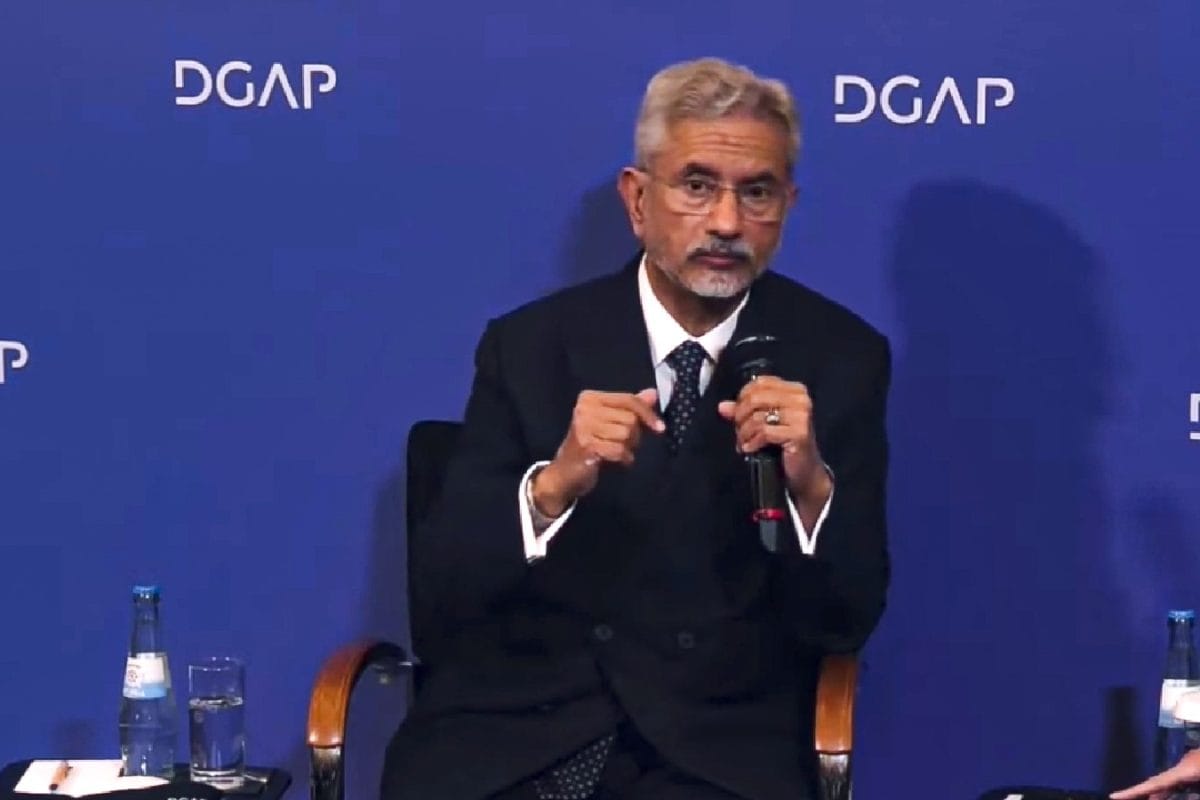
As the United Nations marks its 80th anniversary, India's External Affairs Minister, S Jaishankar, has raised concerns about the organization's effectiveness and its ability to reflect the priorities of its diverse global membership. In a thought-provoking statement, Jaishankar questioned the UN's decision-making processes and its impact on international relations.
"All is not well within the United Nations," Jaishankar remarked, capturing the attention of the diplomatic community. This bold statement, made during a high-level meeting at the UN headquarters in New York, sparked discussions on the relevance and reform of the global body. The minister's comments come at a time when the UN's role in addressing global challenges is under scrutiny, particularly in the wake of the COVID-19 pandemic and ongoing geopolitical tensions.
Jaishankar's critique focused on the UN's decision-making mechanisms, suggesting that they often fail to represent the interests of all member states. He argued that the UN's resolutions and actions should be more inclusive and aligned with the diverse needs of the global community. This sentiment echoes a growing concern among many nations that the UN's agenda is influenced by a select few, potentially marginalizing the voices of smaller or less powerful countries. The minister's statement highlights the need for a more equitable and representative decision-making process within the organization.
With the UN's 80th anniversary serving as a backdrop, Jaishankar's remarks have initiated a timely debate on the future of global governance. As the international community reflects on the UN's achievements and shortcomings, the call for reform is gaining momentum. The question now is how the UN will adapt to better serve the evolving needs of its members and maintain its relevance in an increasingly complex and interconnected world.
Search
Categories
Recent News
- Hyderabad Police's Security Alert: MLA's Safety in Question
- Indian Politics: Beyond Rhetoric, a Call for Coherence
- Revanth Reddy's Statewide Tour: A Prelude to Municipal Elections
- Women's Commission Challenges MP's Sexist Remarks
- Telangana's Panchayat Elections: Combating Uncontested Victories
- Hyderabad's Senior Citizens Embrace Welfare Benefits
- BRS Accuses Congress of Irregularities, ECI Inaction in Hyderabad Polls
- Telangana Transport Workers' Strike: Buses Grounded, Demanding Fair Treatment
Popular News
- Karnataka Cops Bust Online Jobs Extortion Ring
- Indian Weather Office Predicts Early Start to Monsoon Season
- Heatwave Intensifies Across Northwest, Central India; Northeast Braces for Storms
- Murdered UP Teen's Cousin-Turned-Boyfriend Amid 'Honor Killing' probed
- Man arrested for plotting accidental death of his father