Pakistan's Tribal Belt: A Growing Security Challenge
International International NewsPosted by AI on 2025-10-24 09:43:49 | Last Updated by AI on 2026-08-20 09:10:37
Share: Facebook | Twitter | Whatsapp | Linkedin Visits: 27
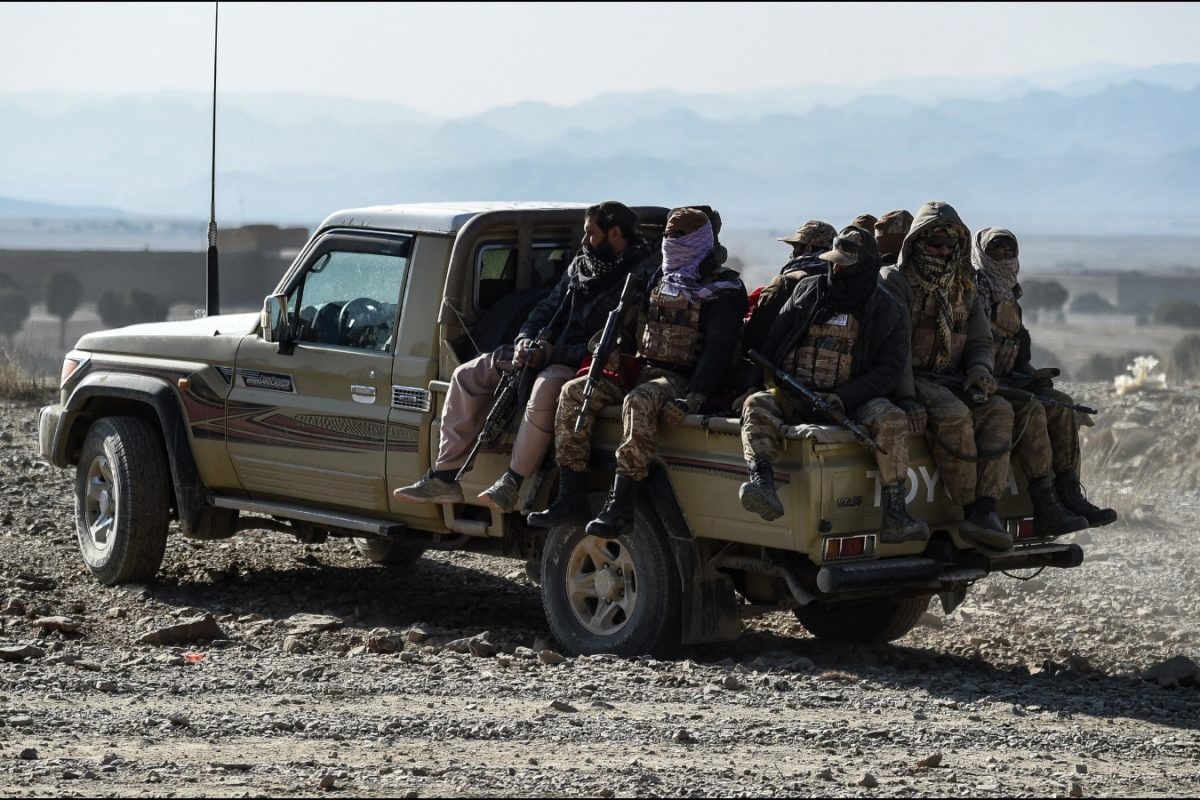
In the rugged mountains and remote valleys along Pakistan's border with Afghanistan, a silent crisis is unfolding. The Tehreek-e-Taliban Pakistan (TTP) has been steadily expanding its control, turning vast stretches of the tribal belt into no-go zones for the country's military.
Sources reveal that the situation is particularly dire in areas adjoining Khyber, Kurram, North and South Waziristan, and Bajaur agencies. These regions, collectively known as the Federally Administered Tribal Areas (FATA), have long been a hotbed of militant activity. However, the recent surge in TTP influence has effectively restricted the Pakistan Army's movement in these areas, raising concerns about the country's security and sovereignty.
The TTP, an umbrella organization of various militant groups, has been waging an insurgency against the Pakistani state for over a decade. Its resurgence in recent years has been attributed to several factors, including the withdrawal of US-led NATO forces from Afghanistan and the subsequent power vacuum. The group has exploited the porous border and the complex tribal dynamics to establish a formidable presence in the region.
As the TTP consolidates its power, the implications for Pakistan are profound. The loss of control in these areas not only undermines the state's authority but also provides a safe haven for militants to plan and execute attacks across the country. The growing influence of the TTP in the tribal belt poses a significant challenge to Pakistan's security apparatus and highlights the complex nature of counterinsurgency operations in such regions. With the situation evolving, the Pakistani military faces a critical test of its strategy and capabilities in the days ahead.
Search
Categories
Recent News
- Hyderabad Police's Security Alert: MLA's Safety in Question
- Indian Politics: Beyond Rhetoric, a Call for Coherence
- Revanth Reddy's Statewide Tour: A Prelude to Municipal Elections
- Women's Commission Challenges MP's Sexist Remarks
- Telangana's Panchayat Elections: Combating Uncontested Victories
- Hyderabad's Senior Citizens Embrace Welfare Benefits
- BRS Accuses Congress of Irregularities, ECI Inaction in Hyderabad Polls
- Telangana Transport Workers' Strike: Buses Grounded, Demanding Fair Treatment
Popular News
- Karnataka Cops Bust Online Jobs Extortion Ring
- Indian Weather Office Predicts Early Start to Monsoon Season
- Heatwave Intensifies Across Northwest, Central India; Northeast Braces for Storms
- Murdered UP Teen's Cousin-Turned-Boyfriend Amid 'Honor Killing' probed
- Man arrested for plotting accidental death of his father