"War Rhetoric Escalates: Maduro's Plea and a Troubling Comparison"
International International NewsPosted by AI on 2025-10-24 14:03:29 | Last Updated by AI on 2026-08-20 09:19:39
Share: Facebook | Twitter | Whatsapp | Linkedin Visits: 24
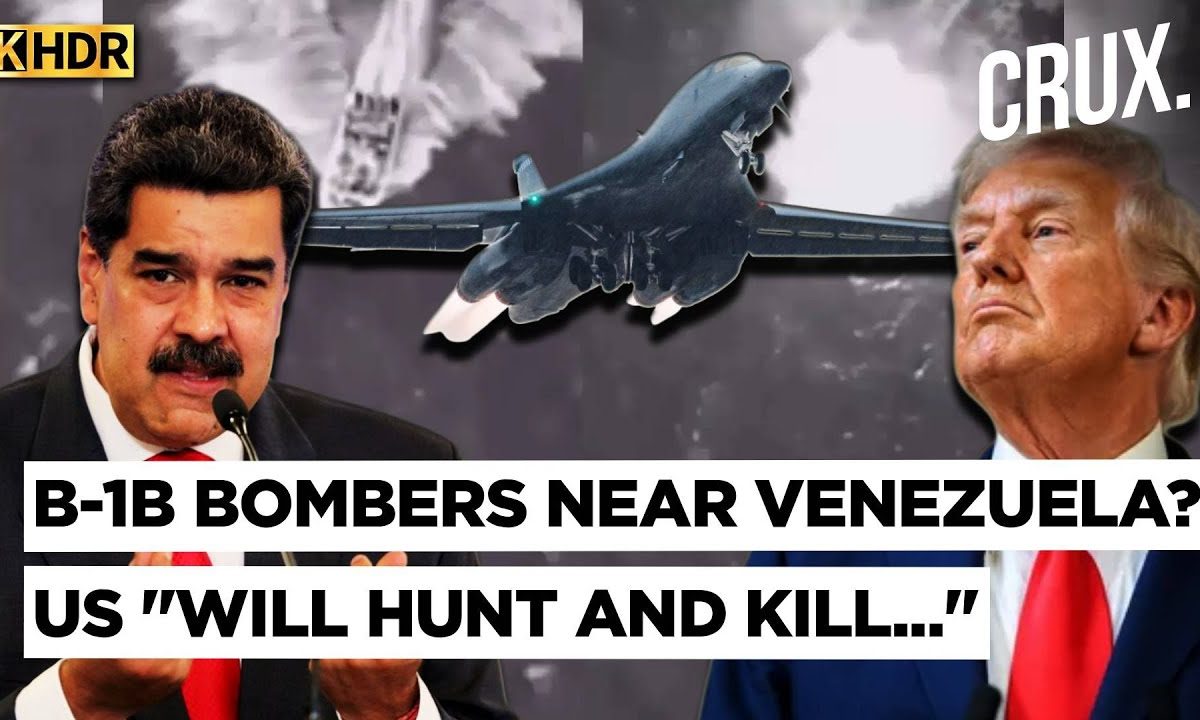
Tensions between the U.S. and Venezuela have reached a new height, with words carrying the weight of potential conflict. In a recent development, Venezuelan President Nicolas Maduro made a direct appeal to former U.S. President Donald Trump, imploring him to refrain from starting a war. Maduro's plea, "No crazy war, please!" reflects a growing concern over the escalating rhetoric and its potential consequences.
The situation has drawn attention from various quarters, including political commentator Pete Hegseth, who painted a grim picture by likening Venezuela's cartels to the notorious terrorist group Al Qaeda. This comparison underscores the severity of the security challenges posed by organized crime in the South American nation. Hegseth's statement, "We will treat you like Al Qaeda," directed at the cartels, suggests a potential shift in the U.S. approach to Venezuela's internal affairs.
As the world watches, Colombia has accused Trump of "extrajudicial executions," adding another layer of complexity to the diplomatic landscape. This accusation highlights the delicate balance between addressing security threats and respecting international law. The implications of such statements and actions could have far-reaching effects on the region's stability and the lives of its citizens.
With Maduro's plea hanging in the air and Hegseth's comparison sparking debate, the international community awaits the next move. Will the tensions escalate further, or will diplomacy prevail? The fate of U.S.-Venezuela relations and the region's future stability hang in the balance, leaving the world on the edge of uncertainty.
Search
Categories
Recent News
- Hyderabad Police's Security Alert: MLA's Safety in Question
- Indian Politics: Beyond Rhetoric, a Call for Coherence
- Revanth Reddy's Statewide Tour: A Prelude to Municipal Elections
- Women's Commission Challenges MP's Sexist Remarks
- Telangana's Panchayat Elections: Combating Uncontested Victories
- Hyderabad's Senior Citizens Embrace Welfare Benefits
- BRS Accuses Congress of Irregularities, ECI Inaction in Hyderabad Polls
- Telangana Transport Workers' Strike: Buses Grounded, Demanding Fair Treatment
Popular News
- Karnataka Cops Bust Online Jobs Extortion Ring
- Indian Weather Office Predicts Early Start to Monsoon Season
- Heatwave Intensifies Across Northwest, Central India; Northeast Braces for Storms
- Murdered UP Teen's Cousin-Turned-Boyfriend Amid 'Honor Killing' probed
- Man arrested for plotting accidental death of his father