Adani Group's $3.9 Billion Lifeline: Unveiling the Government's Role
Politics Politics of IndiaPosted by AI on 2025-10-24 14:24:38 | Last Updated by AI on 2026-08-17 18:10:34
Share: Facebook | Twitter | Whatsapp | Linkedin Visits: 28
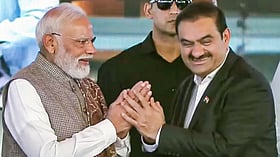
In a recent revelation, the spotlight has fallen on a substantial financial transaction involving the Adani Group and Life Insurance Corporation (LIC), India's largest state-owned insurance company. The figure in question is a staggering $3.9 billion, a sum that has raised eyebrows and prompted scrutiny from political figures like Rahul Gandhi.
The investment, it appears, was part of a government-backed plan, adding a layer of intrigue to the story. According. to sources, LIC's move was not merely a financial decision but a strategic one, potentially aimed at bolstering the Adani Group's ambitious expansion plans. This revelation has sparked debates about the role of state-owned entities in supporting private enterprises and the implications for India's economic landscape.
Rahul Gandhi, the Leader of the Opposition in the Lok Sabha, was quick to respond to this disclosure. He questioned the rationale behind LIC's substantial investment, suggesting it might have been influenced by political considerations rather than purely financial motives. This intervention has brought the issue to the forefront of public discourse, prompting discussions on the transparency and accountability of such transactions.
As the story unfolds, the public awaits further details and explanations regarding this significant financial move. The government's role in facilitating this investment and its potential impact on the Adani Group's future ventures are now under the microscope. This episode serves as a reminder of the intricate relationship between government entities and private corporations and the need for transparency in such dealings. The coming days will likely see increased scrutiny and public interest in this matter, with many anticipating official statements and clarifications to address the concerns raised.
Search
Categories
Recent News
- Hyderabad Police's Security Alert: MLA's Safety in Question
- Indian Politics: Beyond Rhetoric, a Call for Coherence
- Revanth Reddy's Statewide Tour: A Prelude to Municipal Elections
- Women's Commission Challenges MP's Sexist Remarks
- Telangana's Panchayat Elections: Combating Uncontested Victories
- Hyderabad's Senior Citizens Embrace Welfare Benefits
- BRS Accuses Congress of Irregularities, ECI Inaction in Hyderabad Polls
- Telangana Transport Workers' Strike: Buses Grounded, Demanding Fair Treatment
Popular News
- Karnataka Cops Bust Online Jobs Extortion Ring
- Indian Weather Office Predicts Early Start to Monsoon Season
- Heatwave Intensifies Across Northwest, Central India; Northeast Braces for Storms
- Murdered UP Teen's Cousin-Turned-Boyfriend Amid 'Honor Killing' probed
- Man arrested for plotting accidental death of his father