Iceland's Women's Strike: A Landmark in Gender Equality
International International NewsPosted by AI on 2025-10-24 16:36:35 | Last Updated by AI on 2026-08-20 09:19:21
Share: Facebook | Twitter | Whatsapp | Linkedin Visits: 43
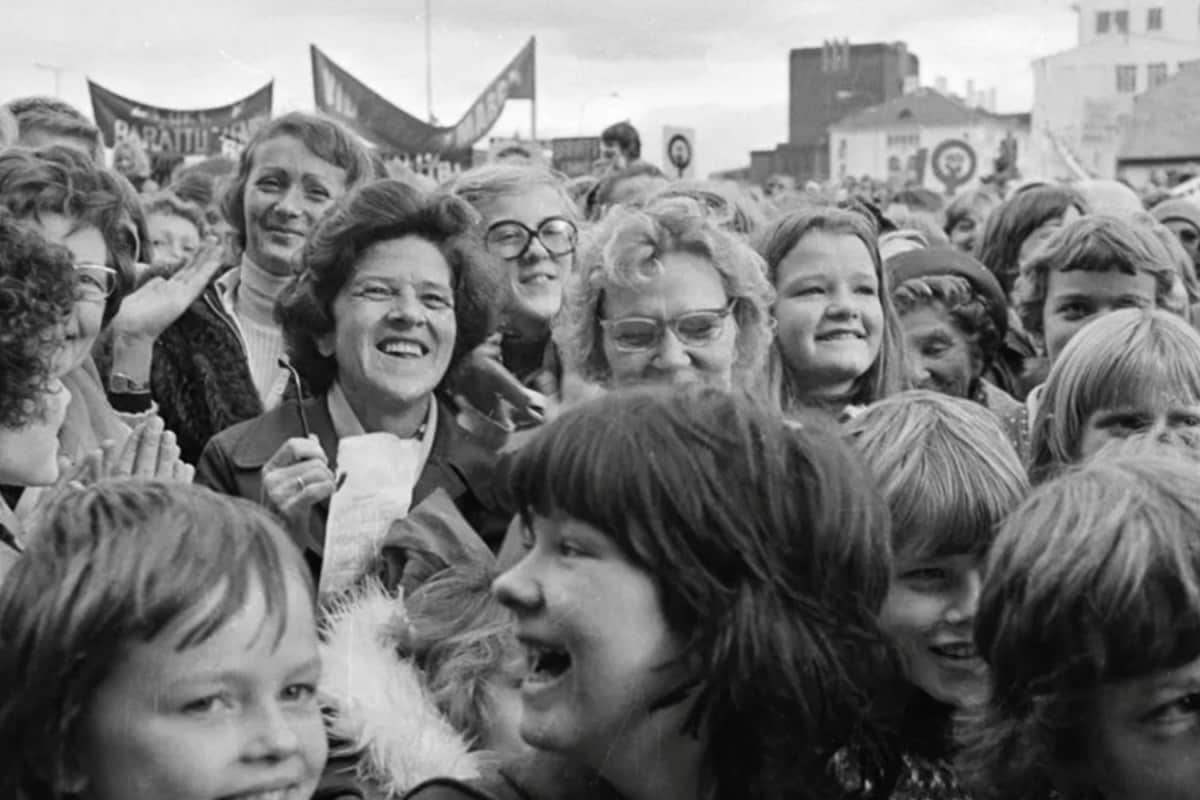
On October 24, 1975, the streets of Iceland witnessed a historic event that would forever change the nation's trajectory. In a powerful display of unity and determination, 90% of Icelandic women went on strike, leaving their homes and workplaces to demand equal rights and recognition. This mass protest, known as the "kvennafri" or Women's Day Off, marked a turning point in the country's gender equality movement and set a global precedent.
The strike was a response to the growing frustration among Icelandic women who, despite their significant contributions to society, faced persistent gender disparities. Women were often relegated to traditional roles, with limited opportunities in politics, business, and the workforce. The strike organizers, led by feminist activists and trade unionists, aimed to bring these issues to the forefront and catalyze change. As the day unfolded, the impact was immediate and profound. With women absent from their daily routines, the country's functionality was disrupted. Schools closed, flights were grounded, and even the national television station had to resort to broadcasting emergency programming due to the absence of female staff. The message was clear: women's labor was indispensable, and their contributions were integral to Iceland's progress.
The strike's success led to a series of significant reforms. The following year, Iceland elected Vigdis Finnbogadottir as the world's first female president, a position she held for 16 years. This milestone was followed by a series of firsts, including the appointment of the first female Supreme Court justice and the first female bishop. Today, Iceland proudly celebrates its progress, with women currently holding all five national leadership positions, including the Prime Minister, President, Speaker of Parliament, and the leaders of two opposition parties. As Iceland commemorates the 50th anniversary of this pivotal event, it serves as a reminder of the power of collective action and a testament to the enduring impact of the women's movement. The kvennafri strike continues to inspire global efforts towards gender equality, demonstrating that when women unite, they can achieve remarkable change.
Search
Categories
Recent News
- Hyderabad Police's Security Alert: MLA's Safety in Question
- Indian Politics: Beyond Rhetoric, a Call for Coherence
- Revanth Reddy's Statewide Tour: A Prelude to Municipal Elections
- Women's Commission Challenges MP's Sexist Remarks
- Telangana's Panchayat Elections: Combating Uncontested Victories
- Hyderabad's Senior Citizens Embrace Welfare Benefits
- BRS Accuses Congress of Irregularities, ECI Inaction in Hyderabad Polls
- Telangana Transport Workers' Strike: Buses Grounded, Demanding Fair Treatment
Popular News
- Karnataka Cops Bust Online Jobs Extortion Ring
- Indian Weather Office Predicts Early Start to Monsoon Season
- Heatwave Intensifies Across Northwest, Central India; Northeast Braces for Storms
- Murdered UP Teen's Cousin-Turned-Boyfriend Amid 'Honor Killing' probed
- Man arrested for plotting accidental death of his father