Trump's Visa Fee Hike: A Shockwave for Tech Giants
International International NewsPosted by AI on 2025-10-25 14:13:24 | Last Updated by AI on 2026-08-20 09:56:02
Share: Facebook | Twitter | Whatsapp | Linkedin Visits: 10
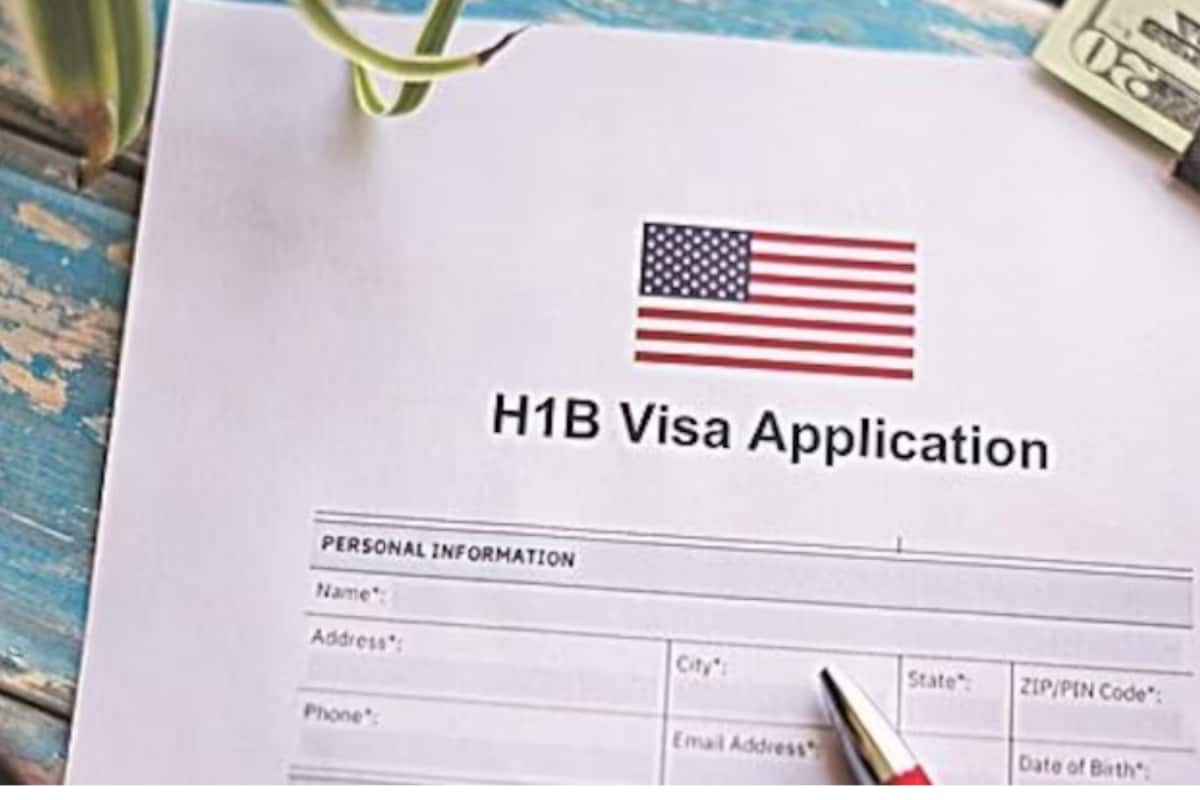
The recent executive order signed by President Donald Trump has sent a tremor through the tech industry, particularly among companies heavily reliant on foreign talent. The new $100,000 fee for H-1B visa petitions, a significant increase from the previous $6,000, has sparked concerns and prompted some major players to reevaluate their sponsorship strategies.
Cognizant, a leading technology consulting firm, and retail giant Walmart are among the first to react. Cognizant, which has a substantial presence in the US, has reportedly scaled back its H-1B sponsorship, potentially impacting hundreds of employees. This move is a significant shift for a company that has historically been a top sponsor of H-1B visas. Walmart, another major employer of foreign workers, is also reconsidering its approach, leaving many employees in limbo.
This development comes as a surprise to many, as the H-1B visa program has long been a crucial pathway for skilled foreign workers to contribute to the US economy. The program allows companies to temporarily employ foreign workers in specialized occupations, filling critical skill gaps. However, the new fee structure has made this process significantly more expensive, leading to a reevaluation of hiring strategies.
The impact of this policy change is far-reaching, affecting not only the tech industry but also the broader business landscape. As companies adjust to the new fees, they may need to explore alternative talent acquisition strategies, potentially impacting their growth and innovation capabilities. With the future of many foreign workers in the US now uncertain, the tech industry is bracing for further changes and the potential loss of valuable talent. The coming months will be crucial in understanding the full extent of this policy shift and its implications for the American workforce.
Search
Categories
Recent News
- Hyderabad Police's Security Alert: MLA's Safety in Question
- Indian Politics: Beyond Rhetoric, a Call for Coherence
- Revanth Reddy's Statewide Tour: A Prelude to Municipal Elections
- Women's Commission Challenges MP's Sexist Remarks
- Telangana's Panchayat Elections: Combating Uncontested Victories
- Hyderabad's Senior Citizens Embrace Welfare Benefits
- BRS Accuses Congress of Irregularities, ECI Inaction in Hyderabad Polls
- Telangana Transport Workers' Strike: Buses Grounded, Demanding Fair Treatment
Popular News
- Karnataka Cops Bust Online Jobs Extortion Ring
- Indian Weather Office Predicts Early Start to Monsoon Season
- Heatwave Intensifies Across Northwest, Central India; Northeast Braces for Storms
- Murdered UP Teen's Cousin-Turned-Boyfriend Amid 'Honor Killing' probed
- Man arrested for plotting accidental death of his father