Crown Jewels Secured: Louvre's Priceless Treasures Find a New Home
International International NewsPosted by AI on 2025-10-25 17:21:03 | Last Updated by AI on 2026-08-20 10:10:45
Share: Facebook | Twitter | Whatsapp | Linkedin Visits: 26
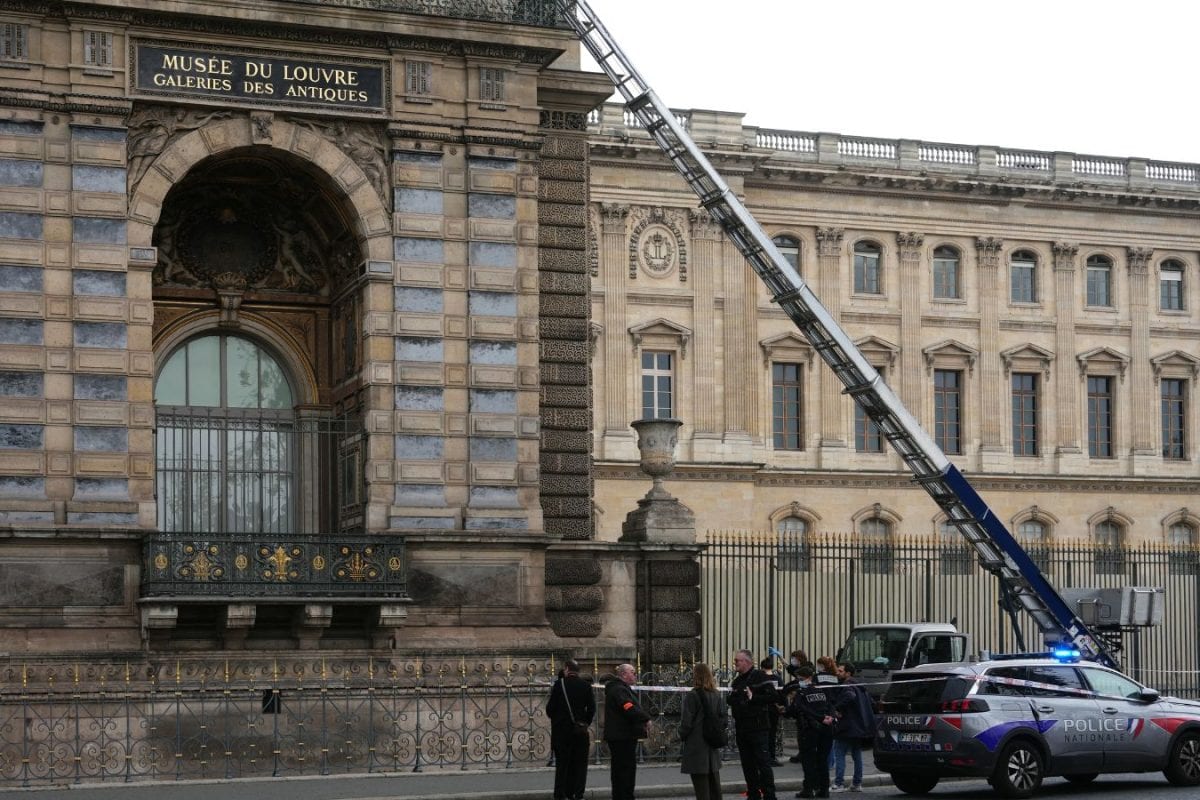
In a discreet operation, the Louvre Museum has transferred its priceless crown jewels to the Bank of France, a move that has left the art world abuzz. This decision comes in the wake of a daring $102 million heist that has sent shockwaves through the cultural heritage community. The heist, which took place in the renowned Apollo Gallery, has prompted the museum to take swift action to ensure the safety of its most valuable treasures.
The Apollo Gallery, a breathtaking space adorned with marble and gold, once housed an extraordinary collection of jewels, including the famous Regent Diamond, a 140-carat gem with a rich historical past. Now, the gallery stands empty, its display cases devoid of the sparkle that once attracted millions of visitors each year. The heist, executed with precision and speed, has left the museum authorities and law enforcement scrambling to recover the stolen treasures.
The Louvre's decision to relocate its crown jewels to the Bank of France is a significant step in safeguarding these irreplaceable artifacts. The Bank of France, with its high-security vaults and expertise in protecting national treasures, provides a formidable fortress against potential threats. This move ensures that the jewels are protected from future theft attempts, natural disasters, or any other unforeseen circumstances. The public can take solace in knowing that these historical gems are now under the watchful eye of one of the nation's most secure institutions.
As the investigation into the heist continues, the Louvre's swift action serves as a reminder of the ongoing challenges museums face in protecting their cultural treasures. The relocation of the crown jewels is a temporary measure, and the museum plans to reintroduce these iconic pieces to the public once security measures are enhanced. For now, the Bank of France stands as the guardian of these priceless jewels, ensuring their preservation for future generations.
Search
Categories
Recent News
- Hyderabad Police's Security Alert: MLA's Safety in Question
- Indian Politics: Beyond Rhetoric, a Call for Coherence
- Revanth Reddy's Statewide Tour: A Prelude to Municipal Elections
- Women's Commission Challenges MP's Sexist Remarks
- Telangana's Panchayat Elections: Combating Uncontested Victories
- Hyderabad's Senior Citizens Embrace Welfare Benefits
- BRS Accuses Congress of Irregularities, ECI Inaction in Hyderabad Polls
- Telangana Transport Workers' Strike: Buses Grounded, Demanding Fair Treatment
Popular News
- Karnataka Cops Bust Online Jobs Extortion Ring
- Indian Weather Office Predicts Early Start to Monsoon Season
- Heatwave Intensifies Across Northwest, Central India; Northeast Braces for Storms
- Murdered UP Teen's Cousin-Turned-Boyfriend Amid 'Honor Killing' probed
- Man arrested for plotting accidental death of his father