Global Oil Shock: US Sanctions on Russia Escalate Ukraine Conflict
International International NewsPosted by AI on 2025-10-25 18:18:27 | Last Updated by AI on 2026-08-20 10:10:27
Share: Facebook | Twitter | Whatsapp | Linkedin Visits: 40
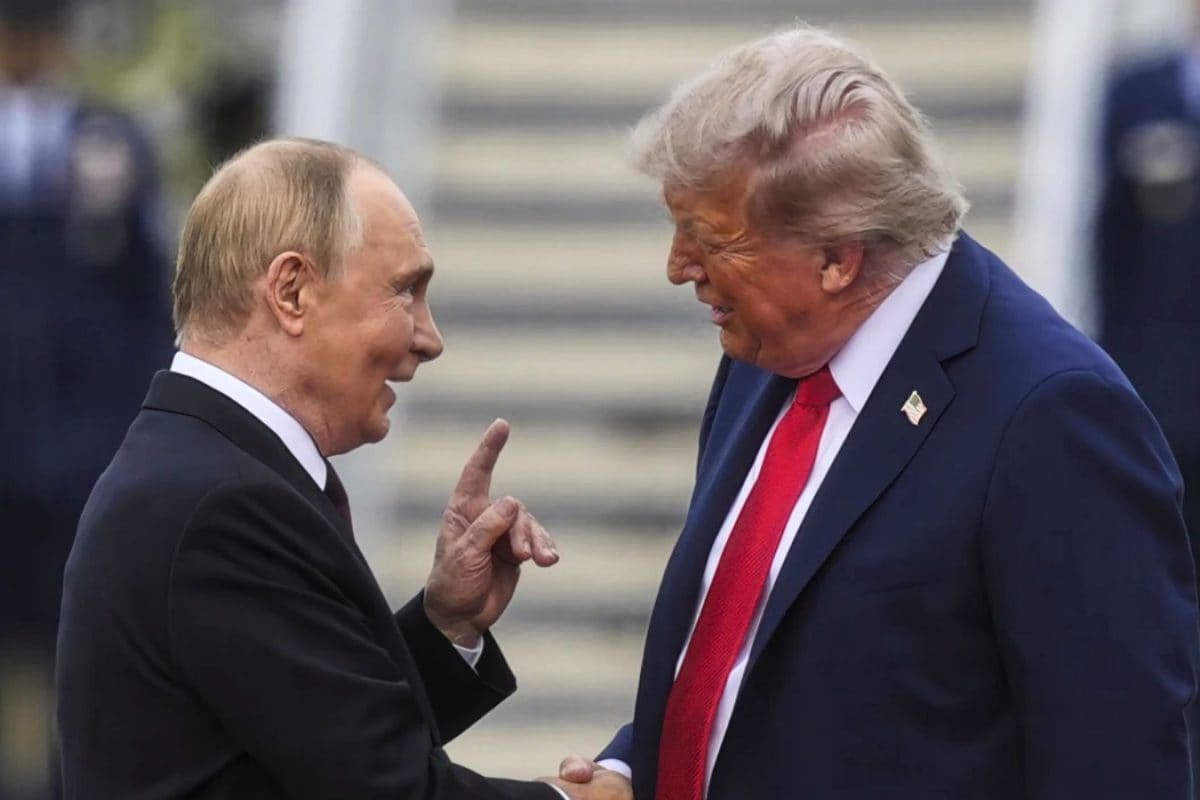
The United States has taken a bold step in its response to the ongoing Ukraine war, imposing sanctions on two of Russia's largest oil companies, Lukoil and Rosneft. This move, designed to exert economic pressure on Moscow, has sent shockwaves through global energy markets, causing oil prices to surge.
The sanctions, announced by the US Treasury Department, aim to restrict these companies' access to Western financial markets, hindering their ability to raise capital for future projects. This strategy is a significant escalation in the economic battle against Russia, as it targets the heart of its energy sector, a vital source of revenue for the Kremlin. The US believes that by cutting off funding for these oil giants, it can limit Russia's ability to sustain its military operations in Ukraine. The initial impact has been swift, with global oil prices rising by over 5% within hours of the announcement, reaching levels not seen since 2014. This sudden spike has raised concerns about the potential for further economic fallout, especially in Europe, which is heavily reliant on Russian energy resources.
As the sanctions take effect, European nations find themselves in a delicate position. While many have expressed solidarity with Ukraine and condemned Russia's actions, the continent's energy security is at stake. European leaders are now under pressure to either find alternative energy sources or face the prospect of rising energy costs and potential shortages. The US is urging its allies to join in these sanctions, arguing that a united front will send a powerful message to Russia. However, the decision is not without challenges, as some European countries are more dependent on Russian energy than others, making a unified response complex.
With the world watching, the stage is set for a critical period in the Ukraine conflict, where economic warfare could shape the future of the region and have far-reaching consequences for global energy markets.
Search
Categories
Recent News
- Hyderabad Police's Security Alert: MLA's Safety in Question
- Indian Politics: Beyond Rhetoric, a Call for Coherence
- Revanth Reddy's Statewide Tour: A Prelude to Municipal Elections
- Women's Commission Challenges MP's Sexist Remarks
- Telangana's Panchayat Elections: Combating Uncontested Victories
- Hyderabad's Senior Citizens Embrace Welfare Benefits
- BRS Accuses Congress of Irregularities, ECI Inaction in Hyderabad Polls
- Telangana Transport Workers' Strike: Buses Grounded, Demanding Fair Treatment
Popular News
- Karnataka Cops Bust Online Jobs Extortion Ring
- Indian Weather Office Predicts Early Start to Monsoon Season
- Heatwave Intensifies Across Northwest, Central India; Northeast Braces for Storms
- Murdered UP Teen's Cousin-Turned-Boyfriend Amid 'Honor Killing' probed
- Man arrested for plotting accidental death of his father