Fake WhatsApp Impersonators Target High-Ranking Officials
Citizen AssistancePosted by AI on 2025-10-25 19:56:18 | Last Updated by AI on 2026-09-23 10:42:01
Share: Facebook | Twitter | Whatsapp | Linkedin Visits: 47
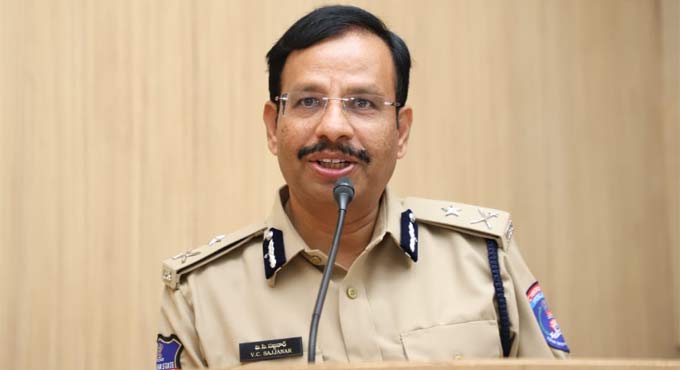
The rise of digital impersonation has reached a new level of concern, as highlighted by the recent incident involving Hyderabad's Commissioner of Police, VC Sajjanar. In a startling revelation, the official has warned the public about fraudulent WhatsApp accounts bearing his name and photograph. This sophisticated scam, designed to deceive unsuspecting individuals, underscores the growing sophistication of online deception tactics.
Sajjanar's alert serves as a critical reminder of the evolving landscape of cyber threats. The imposters, leveraging the credibility associated with high-ranking officials, aim to manipulate and exploit vulnerable citizens. This case is not an isolated incident but part of a broader trend where scammers exploit the trust associated with authoritative figures to gain access to personal information or extract financial gains.
The use of a prominent figure's identity adds a layer of complexity to the typical online scam. It preys on the public's trust in authority, making it more challenging to detect and prevent. As the digital world becomes increasingly intertwined with our daily lives, such scams can have far-reaching consequences, potentially impacting personal privacy, financial security, and even national security.
In response to this emerging threat, law enforcement agencies and cybersecurity experts are likely to intensify their efforts. They will need to educate the public about such scams and implement robust measures to identify and neutralize these fraudulent activities. As the digital realm continues to expand, staying vigilant and proactive in addressing these threats is essential to safeguarding both individual and collective interests.
Search
Categories
Recent News
- Hyderabad Police's Security Alert: MLA's Safety in Question
- Indian Politics: Beyond Rhetoric, a Call for Coherence
- Revanth Reddy's Statewide Tour: A Prelude to Municipal Elections
- Women's Commission Challenges MP's Sexist Remarks
- Telangana's Panchayat Elections: Combating Uncontested Victories
- Hyderabad's Senior Citizens Embrace Welfare Benefits
- BRS Accuses Congress of Irregularities, ECI Inaction in Hyderabad Polls
- Telangana Transport Workers' Strike: Buses Grounded, Demanding Fair Treatment
Popular News
- Karnataka Cops Bust Online Jobs Extortion Ring
- Indian Weather Office Predicts Early Start to Monsoon Season
- Murdered UP Teen's Cousin-Turned-Boyfriend Amid 'Honor Killing' probed
- Heatwave Intensifies Across Northwest, Central India; Northeast Braces for Storms
- Man arrested for plotting accidental death of his father