The Hijab and the Subway: A Post-9/11 Story
International International NewsPosted by AI on 2025-10-26 08:01:48 | Last Updated by AI on 2026-08-20 10:20:53
Share: Facebook | Twitter | Whatsapp | Linkedin Visits: 32
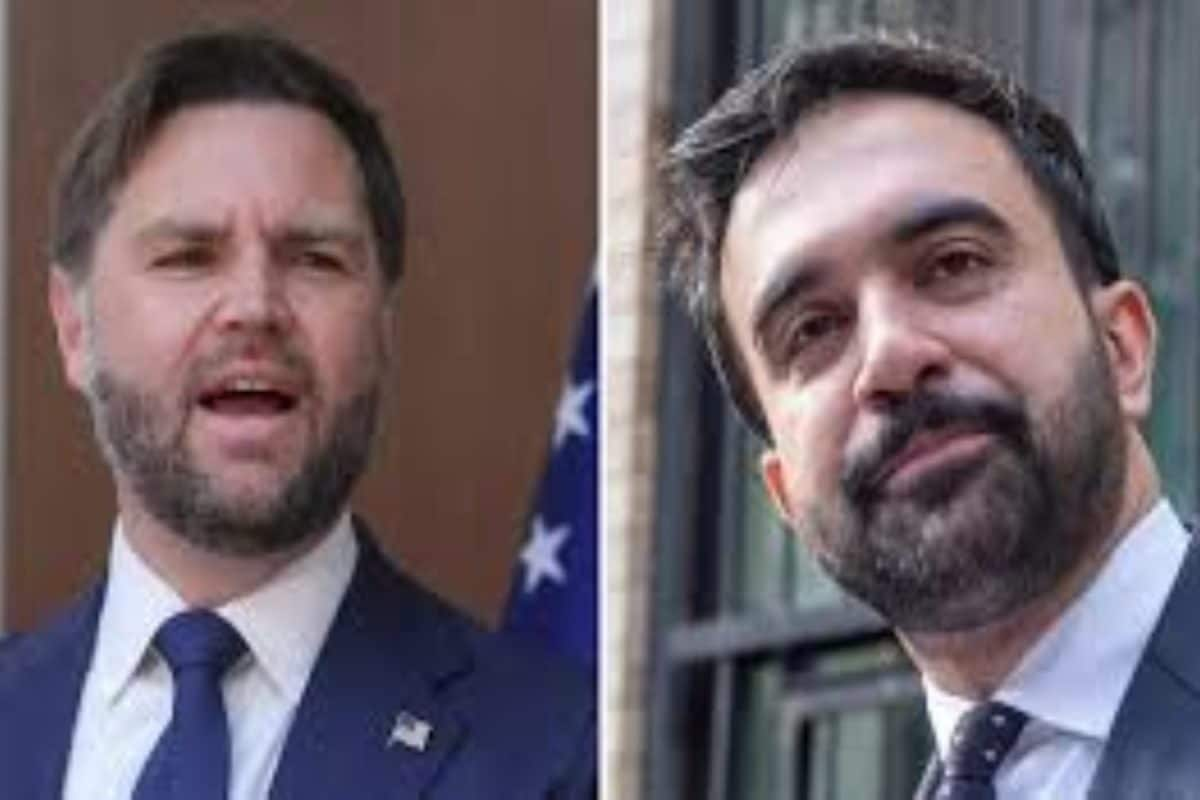
In the aftermath of the 9/11 terrorist attacks, the United States experienced a surge in anti-Muslim sentiment, with many Muslims feeling the weight of suspicion and prejudice. This climate of fear and uncertainty is vividly illustrated in the recent personal account shared by New York State Assembly member Zohran Mamdani.
Mamdani, a Democrat representing Queens, revealed that his aunt, a Muslim woman, felt so unsafe wearing her hijab in public that she stopped taking the subway after the attacks. This decision was a direct response to the rising Islamophobia and the fear of becoming a target of hate crimes. The assembly member's statement sheds light on the profound impact of the post-9/11 era on Muslim communities, particularly women who wear the hijab. It serves as a stark reminder of the discrimination and challenges they faced during this period.
The story of Mamdani's aunt is not an isolated incident but reflects a broader trend of increased hostility towards Muslims in the United States. According to a report by the Council on American-Islamic Relations, anti-Muslim bias incidents, including harassment and discrimination, rose significantly in the year following the attacks. This surge in Islamophobia had a lasting impact on Muslim communities, affecting their sense of safety and belonging in the country.
The narrative also prompts a reflection on the ongoing struggle for religious tolerance and the importance of fostering an inclusive society. As the nation continues to grapple with the aftermath of 9/11, stories like these serve as a call for empathy, understanding, and a renewed commitment to protecting the rights and freedoms of all Americans, regardless of their faith or background.
Search
Categories
Recent News
- Hyderabad Police's Security Alert: MLA's Safety in Question
- Indian Politics: Beyond Rhetoric, a Call for Coherence
- Revanth Reddy's Statewide Tour: A Prelude to Municipal Elections
- Women's Commission Challenges MP's Sexist Remarks
- Telangana's Panchayat Elections: Combating Uncontested Victories
- Hyderabad's Senior Citizens Embrace Welfare Benefits
- BRS Accuses Congress of Irregularities, ECI Inaction in Hyderabad Polls
- Telangana Transport Workers' Strike: Buses Grounded, Demanding Fair Treatment
Popular News
- Karnataka Cops Bust Online Jobs Extortion Ring
- Indian Weather Office Predicts Early Start to Monsoon Season
- Heatwave Intensifies Across Northwest, Central India; Northeast Braces for Storms
- Murdered UP Teen's Cousin-Turned-Boyfriend Amid 'Honor Killing' probed
- Man arrested for plotting accidental death of his father