Trade War Truce: US and China Seek Common Ground
International International NewsPosted by AI on 2025-10-26 14:06:30 | Last Updated by AI on 2026-08-20 10:33:43
Share: Facebook | Twitter | Whatsapp | Linkedin Visits: 10
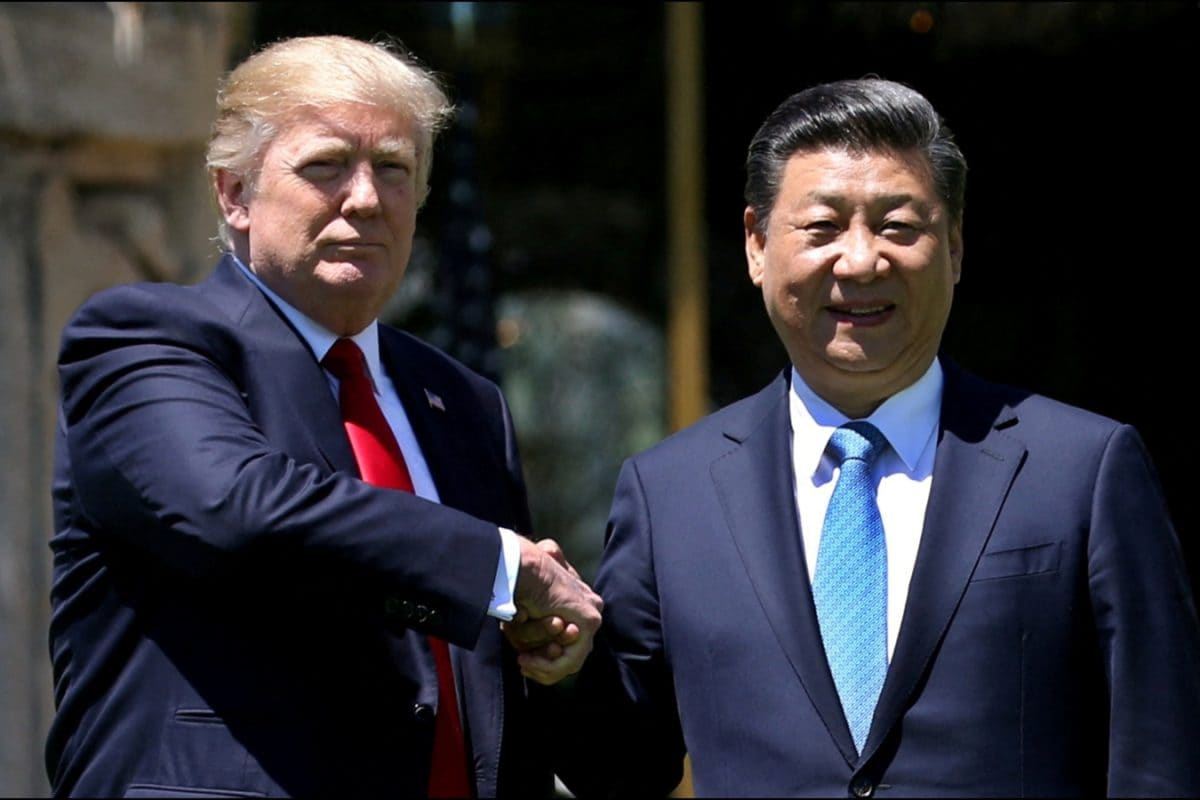
The ongoing trade tensions between the United States and China have reached a critical juncture, with both nations taking steps that could significantly impact global markets. In a recent development, China's announcement of new export restrictions on rare earth minerals, a vital component in many high-tech products, sent shockwaves through the international trade community. This move came in response to the escalating trade war initiated by the Trump administration, which has imposed tariffs on billions of dollars' worth of Chinese goods.
The situation intensified when President Donald Trump threatened to impose a 100% tariff on Chinese imports, a drastic measure that would effectively double the cost of many consumer goods. This bold statement sparked concerns among businesses and consumers alike, as the potential consequences could disrupt supply chains and increase prices across various industries. However, in a surprising turn of events, the Trump administration has signaled a willingness to de-escalate the trade war. As the G20 summit in Osaka, Japan, approaches, both countries are preparing for a highly anticipated meeting between President Trump and Chinese President Xi Jinping.
With the world watching, the two leaders are expected to discuss a potential trade deal, aiming to resolve the ongoing disputes and reach a mutually beneficial agreement. The stakes are high, as the outcome of this meeting could shape the future of global trade relations. A successful negotiation would not only prevent further economic damage but also restore stability and predictability to the international trade landscape. As the summit nears, the global community eagerly awaits the outcome of this critical meeting, hoping for a resolution that fosters economic growth and cooperation between the world's two largest economies.
Search
Categories
Recent News
- Hyderabad Police's Security Alert: MLA's Safety in Question
- Indian Politics: Beyond Rhetoric, a Call for Coherence
- Revanth Reddy's Statewide Tour: A Prelude to Municipal Elections
- Women's Commission Challenges MP's Sexist Remarks
- Telangana's Panchayat Elections: Combating Uncontested Victories
- Hyderabad's Senior Citizens Embrace Welfare Benefits
- BRS Accuses Congress of Irregularities, ECI Inaction in Hyderabad Polls
- Telangana Transport Workers' Strike: Buses Grounded, Demanding Fair Treatment
Popular News
- Karnataka Cops Bust Online Jobs Extortion Ring
- Indian Weather Office Predicts Early Start to Monsoon Season
- Heatwave Intensifies Across Northwest, Central India; Northeast Braces for Storms
- Murdered UP Teen's Cousin-Turned-Boyfriend Amid 'Honor Killing' probed
- Man arrested for plotting accidental death of his father