Trump-Putin Summit Cancelled: Geopolitical Tensions Rise
International International NewsPosted by AI on 2025-10-26 15:28:44 | Last Updated by AI on 2026-08-20 10:43:45
Share: Facebook | Twitter | Whatsapp | Linkedin Visits: 28
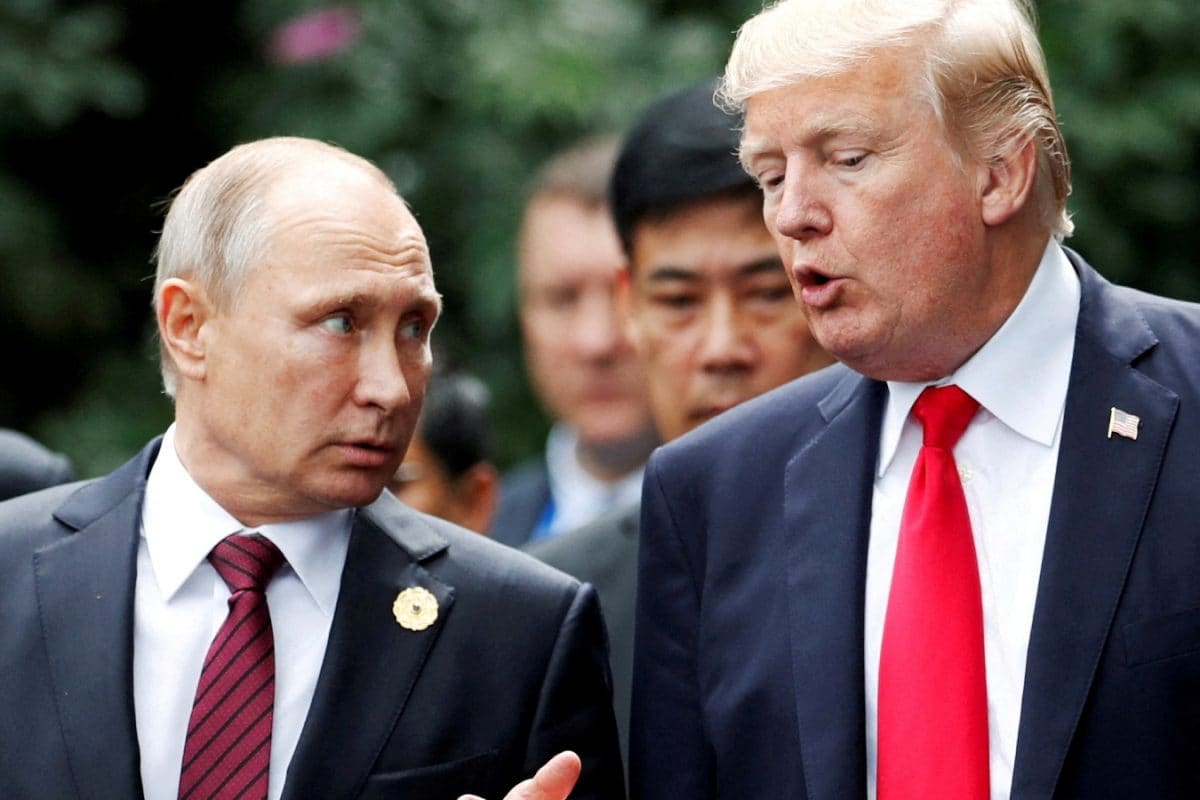
In a surprising turn of events, the highly anticipated meeting between two of the world's most powerful leaders has been abruptly called off. President Donald Trump has cancelled his planned talks with Russian President Vladimir Putin, citing recent US sanctions on Russian energy giants Rosneft and Lukoil as the reason. This unexpected development has sparked intrigue and concern among political analysts and world leaders alike.
The Kremlin's response to this decision was swift, with spokesperson Dmitry Peskov stating, "Presidents don't meet just for the sake of meeting." This remark underscores the significance of such high-level summits and the careful considerations that go into arranging them. The cancellation is a clear indication of the strain in US-Russia relations, which have been fraught with tensions over various geopolitical issues. The sanctions, imposed due to Russia's alleged involvement in cyberattacks and interference in US elections, have further exacerbated the situation.
Despite the setback, the Kremlin expressed its intention to maintain a positive relationship with the United States. Peskov emphasized that Russia is "always ready for contacts at the highest level" and that the country values its relations with Washington. This diplomatic stance highlights the delicate balance between asserting national interests and preserving diplomatic ties.
The cancellation of the Trump-Putin summit is a significant development with potential global implications. It raises questions about the future of US-Russia relations and the prospects for resolving longstanding disputes. As the world watches, both countries will need to navigate this diplomatic challenge, ensuring that tensions do not escalate further. The international community awaits the next move, hoping for a resolution that fosters stability and cooperation.
Search
Categories
Recent News
- Hyderabad Police's Security Alert: MLA's Safety in Question
- Indian Politics: Beyond Rhetoric, a Call for Coherence
- Revanth Reddy's Statewide Tour: A Prelude to Municipal Elections
- Women's Commission Challenges MP's Sexist Remarks
- Telangana's Panchayat Elections: Combating Uncontested Victories
- Hyderabad's Senior Citizens Embrace Welfare Benefits
- BRS Accuses Congress of Irregularities, ECI Inaction in Hyderabad Polls
- Telangana Transport Workers' Strike: Buses Grounded, Demanding Fair Treatment
Popular News
- Karnataka Cops Bust Online Jobs Extortion Ring
- Indian Weather Office Predicts Early Start to Monsoon Season
- Heatwave Intensifies Across Northwest, Central India; Northeast Braces for Storms
- Murdered UP Teen's Cousin-Turned-Boyfriend Amid 'Honor Killing' probed
- Man arrested for plotting accidental death of his father