Ukrainian Scientist's Arrest: A Chilling Effect on Antarctic Research
International International NewsPosted by AI on 2025-10-26 18:32:13 | Last Updated by AI on 2026-08-21 11:38:14
Share: Facebook | Twitter | Whatsapp | Linkedin Visits: 26
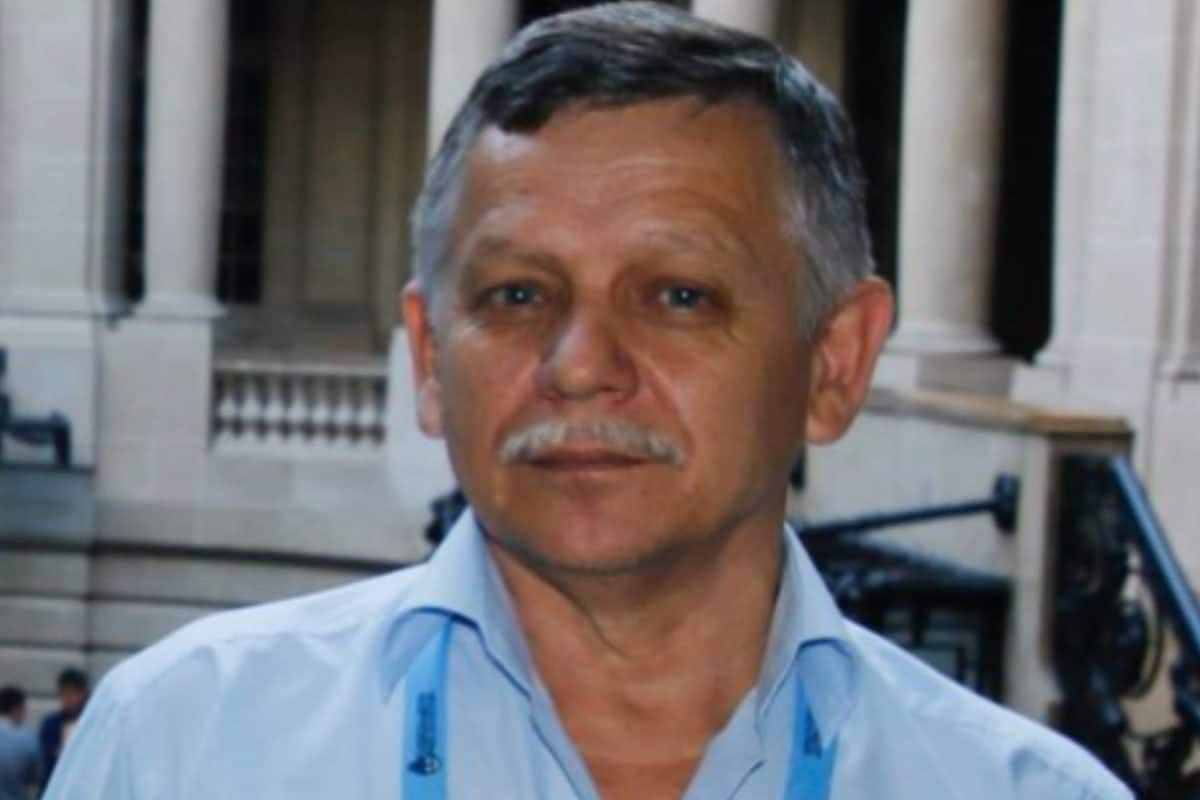
The recent arrest of Leonid Pshenichnov, a Ukrainian biologist, by Russian authorities in Crimea has sent shockwaves through the scientific community, raising concerns about the implications for international research collaboration and the future of Antarctic conservation efforts.
Pshenichnov, a renowned expert in Antarctic krill biology, was detained on charges of treason, accused of allegedly providing sensitive information to Ukraine. This arrest has sparked international condemnation, with many questioning the validity of the charges and the potential motives behind Russia's actions. The scientist's work focused on the delicate balance of the Antarctic ecosystem, particularly the role of krill, a small crustacean, as a vital food source for marine life. His research aimed to inform sustainable fishing practices to prevent the depletion of this crucial species.
The incident has brought attention to the geopolitical tensions surrounding the Antarctic region, where international cooperation is essential for scientific research and environmental protection. The Antarctic Treaty System, established in 1959, ensures that the continent remains a peaceful and collaborative space for scientific endeavors. However, this arrest raises concerns about the potential for political conflicts to hinder research and conservation efforts.
As the scientific community rallies in support of Pshenichnov, the incident serves as a stark reminder of the challenges faced in maintaining international scientific collaboration. The outcome of this case will have significant implications for the future of Antarctic research and the delicate diplomatic relationships that underpin it. With the world's attention now focused on this issue, the pressure is on for a resolution that upholds the principles of scientific freedom and international cooperation.
Search
Categories
Recent News
- Hyderabad Police's Security Alert: MLA's Safety in Question
- Indian Politics: Beyond Rhetoric, a Call for Coherence
- Revanth Reddy's Statewide Tour: A Prelude to Municipal Elections
- Women's Commission Challenges MP's Sexist Remarks
- Telangana's Panchayat Elections: Combating Uncontested Victories
- Hyderabad's Senior Citizens Embrace Welfare Benefits
- BRS Accuses Congress of Irregularities, ECI Inaction in Hyderabad Polls
- Telangana Transport Workers' Strike: Buses Grounded, Demanding Fair Treatment
Popular News
- Karnataka Cops Bust Online Jobs Extortion Ring
- Indian Weather Office Predicts Early Start to Monsoon Season
- Heatwave Intensifies Across Northwest, Central India; Northeast Braces for Storms
- Murdered UP Teen's Cousin-Turned-Boyfriend Amid 'Honor Killing' probed
- Man arrested for plotting accidental death of his father