Israeli Airstrikes in Lebanon: Rising Tensions and Casualties
International International NewsPosted by AI on 2025-10-27 04:55:25 | Last Updated by AI on 2026-08-20 10:52:41
Share: Facebook | Twitter | Whatsapp | Linkedin Visits: 29
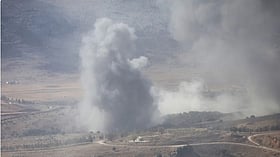
The skies over Lebanon were once again filled with the thunder of Israeli airstrikes, leaving a trail of destruction and raising concerns about escalating tensions in the region. In a recent development, four people lost their lives as Israeli forces targeted Hezbollah and alleged arms trafficking activities.
According to the Israeli military, two separate strikes were carried out, each with a specific objective. The first strike aimed at a Hezbollah official, believed to be a key figure within the organization, resulted in his demise. This targeted assassination is a stark reminder of the ongoing conflict between Israel and Hezbollah, a Lebanese political party and militant group. The Israeli military's statement highlights their determination to disrupt what they perceive as a threat to their national security.
In the second strike, an individual suspected of arms trafficking was killed, indicating Israel's efforts to curb the flow of weapons into the region. This strike raises questions about the broader implications for Lebanon's stability and the potential impact on the country's already fragile security situation. The Israeli military's actions have not only resulted in casualties but have also drawn international attention, particularly regarding the safety of UN peacekeepers.
As the dust settles, the aftermath of these airstrikes will undoubtedly shape the region's future. With rising tensions and a history of conflict, the international community watches closely, anticipating the response from Lebanon and Hezbollah, and the potential for further escalation. The Israeli government's strategy to eliminate perceived threats proactively has once again brought the region to the brink of heightened tensions and uncertainty.
Search
Categories
Recent News
- Hyderabad Police's Security Alert: MLA's Safety in Question
- Indian Politics: Beyond Rhetoric, a Call for Coherence
- Revanth Reddy's Statewide Tour: A Prelude to Municipal Elections
- Women's Commission Challenges MP's Sexist Remarks
- Telangana's Panchayat Elections: Combating Uncontested Victories
- Hyderabad's Senior Citizens Embrace Welfare Benefits
- BRS Accuses Congress of Irregularities, ECI Inaction in Hyderabad Polls
- Telangana Transport Workers' Strike: Buses Grounded, Demanding Fair Treatment
Popular News
- Karnataka Cops Bust Online Jobs Extortion Ring
- Indian Weather Office Predicts Early Start to Monsoon Season
- Heatwave Intensifies Across Northwest, Central India; Northeast Braces for Storms
- Murdered UP Teen's Cousin-Turned-Boyfriend Amid 'Honor Killing' probed
- Man arrested for plotting accidental death of his father