Yogi Adityanath's Spiritual Makeover: Renaming a Village to Preserve Heritage
Politics Politics of IndiaPosted by AI on 2025-10-27 11:41:04 | Last Updated by AI on 2026-08-17 19:47:07
Share: Facebook | Twitter | Whatsapp | Linkedin Visits: 31
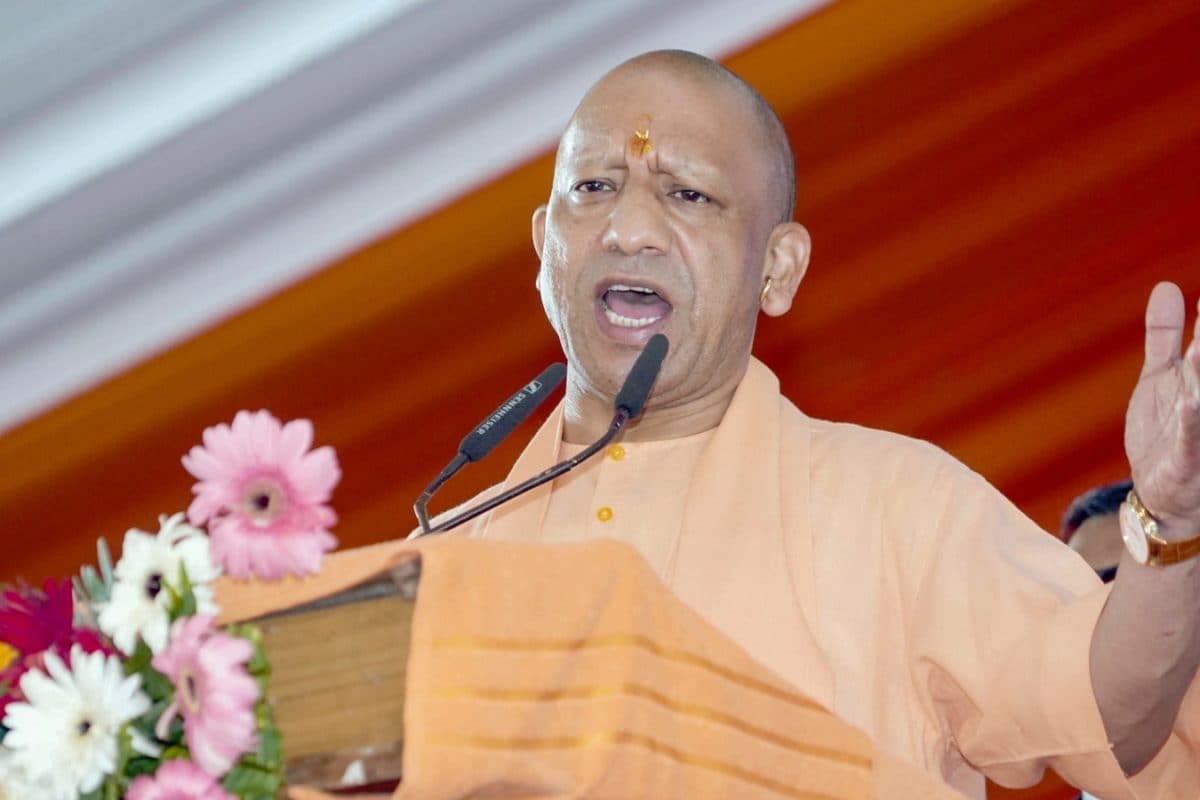
In a move that has sparked both praise and controversy, Uttar Pradesh Chief Minister Yogi Adityanath has proposed a unique way to safeguard India's cultural legacy. During a recent visit to the Mustafabad village in Lakhimpur Kheri, the CM announced his intention to rename the village as 'Kabirdham', honoring the 15th-century mystic poet Kabir Das.
The proposal comes as part of Adityanath's vision to promote and preserve the rich spiritual heritage of the region. He emphasized that such initiatives are essential to ensure that future generations remain connected to their cultural roots. The CM believes that Kabir's philosophy, which transcends religious boundaries, can serve as a unifying force in today's diverse society. By renaming the village, he aims to create a living memorial to Kabir's teachings, making his wisdom accessible to all.
This decision has ignited a debate among locals and politicians alike. While some appreciate the CM's efforts to celebrate a revered poet, others argue that such a change could disrupt the village's identity and history. The village, known for its peaceful coexistence of various religious communities, has a significant association with Kabir, as it is believed to be the place where he attained enlightenment. The proposed renaming has also led to discussions about the broader implications of such actions, questioning whether this is the most effective way to promote cultural heritage.
As the debate continues, the future of Mustafabad's potential transformation into 'Kabirdham' remains uncertain. The proposal has set the stage for a larger conversation about cultural preservation, identity, and the role of government in shaping these aspects. The public's response and the government's next steps will be crucial in determining the fate of this initiative and its potential impact on the region's cultural landscape.
Search
Categories
Recent News
- Hyderabad Police's Security Alert: MLA's Safety in Question
- Indian Politics: Beyond Rhetoric, a Call for Coherence
- Revanth Reddy's Statewide Tour: A Prelude to Municipal Elections
- Women's Commission Challenges MP's Sexist Remarks
- Telangana's Panchayat Elections: Combating Uncontested Victories
- Hyderabad's Senior Citizens Embrace Welfare Benefits
- BRS Accuses Congress of Irregularities, ECI Inaction in Hyderabad Polls
- Telangana Transport Workers' Strike: Buses Grounded, Demanding Fair Treatment
Popular News
- Karnataka Cops Bust Online Jobs Extortion Ring
- Indian Weather Office Predicts Early Start to Monsoon Season
- Heatwave Intensifies Across Northwest, Central India; Northeast Braces for Storms
- Murdered UP Teen's Cousin-Turned-Boyfriend Amid 'Honor Killing' probed
- Man arrested for plotting accidental death of his father