Nepal's Delayed Democracy: Uncertainty Looms Over Himalayan Nation
International International NewsPosted by AI on 2025-10-27 19:03:38 | Last Updated by AI on 2026-08-20 11:10:28
Share: Facebook | Twitter | Whatsapp | Linkedin Visits: 28
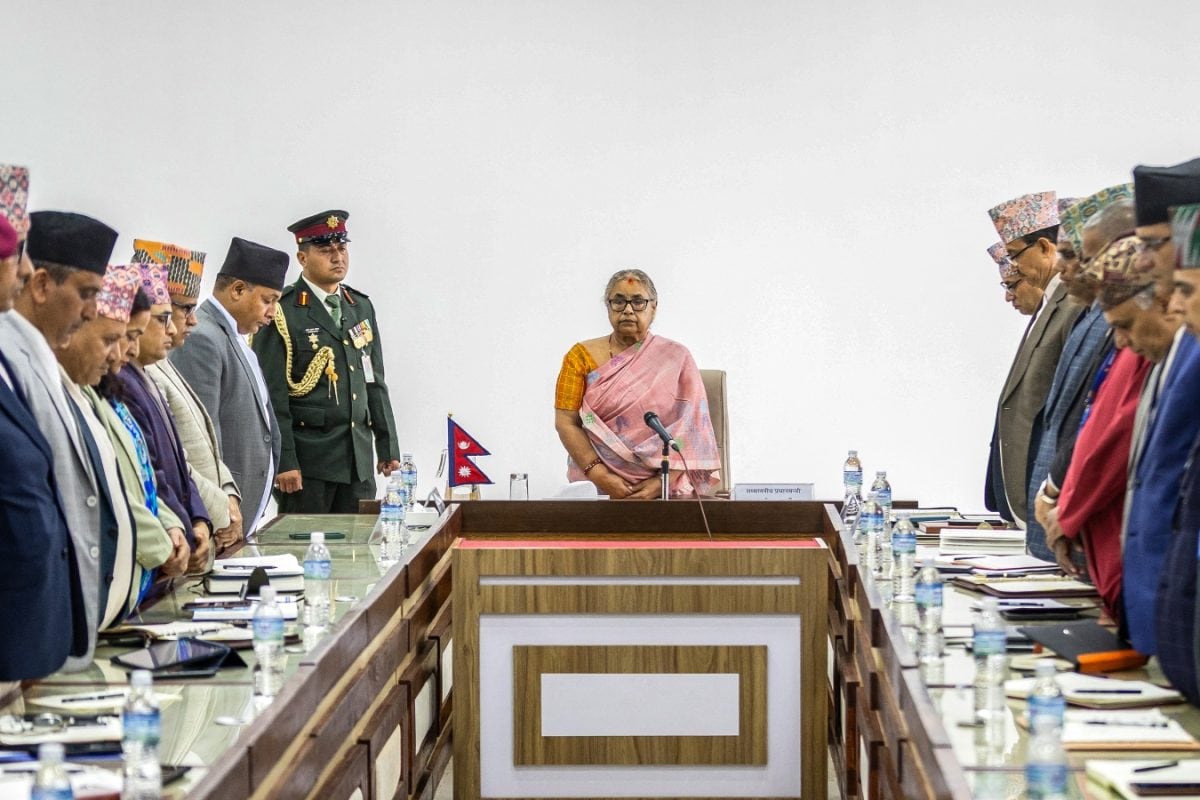
Nepal's political landscape is shrouded in uncertainty as the country faces the prospect of a delayed general election, potentially pushing the polls to mid-2026. This development has raised concerns among its citizens and neighboring countries, particularly India, which shares a complex historical relationship with Nepal. The delay is a result of the nation's ongoing political turmoil, marked by widespread unrest and a challenge to traditional power structures.
The Himalayan nation has been grappling with political instability since the dissolution of the House of Representatives in December 2024, leading to a power vacuum and subsequent protests. The current government, led by Prime Minister Sher Bahadur Deuba, has been struggling to maintain order amidst growing public dissatisfaction and the rise of new political forces. The country's political parties have been engaged in intense negotiations to form a new government, but the process has been marred by disagreements and a lack of consensus.
As the political crisis deepens, the election commission is faced with a daunting task. The commission must navigate the challenges of conducting a free and fair election in a highly charged atmosphere, ensuring the participation of all eligible voters, especially in remote areas of the country. The delay in elections has significant implications for Nepal's stability and development. It may further exacerbate the existing tensions, potentially leading to more protests and civil unrest, particularly among the youth, who are demanding political reform and better economic opportunities.
With India closely monitoring the situation, the region's geopolitical dynamics are also at play. India, a significant player in South Asian politics, has historical ties and strategic interests in Nepal. The delay in elections and the subsequent political uncertainty could impact regional stability and cooperation, especially concerning border management and trade relations. As Nepal navigates this critical juncture, the world watches with anticipation, hoping for a swift resolution to ensure the nation's democratic progress and regional harmony.
Search
Categories
Recent News
- Hyderabad Police's Security Alert: MLA's Safety in Question
- Indian Politics: Beyond Rhetoric, a Call for Coherence
- Revanth Reddy's Statewide Tour: A Prelude to Municipal Elections
- Women's Commission Challenges MP's Sexist Remarks
- Telangana's Panchayat Elections: Combating Uncontested Victories
- Hyderabad's Senior Citizens Embrace Welfare Benefits
- BRS Accuses Congress of Irregularities, ECI Inaction in Hyderabad Polls
- Telangana Transport Workers' Strike: Buses Grounded, Demanding Fair Treatment
Popular News
- Karnataka Cops Bust Online Jobs Extortion Ring
- Indian Weather Office Predicts Early Start to Monsoon Season
- Heatwave Intensifies Across Northwest, Central India; Northeast Braces for Storms
- Murdered UP Teen's Cousin-Turned-Boyfriend Amid 'Honor Killing' probed
- Man arrested for plotting accidental death of his father