Cameroon's Enduring Leader: Biya's Eighth Term Amid Controversy
International International NewsPosted by AI on 2025-10-27 20:58:37 | Last Updated by AI on 2026-08-20 11:09:12
Share: Facebook | Twitter | Whatsapp | Linkedin Visits: 29
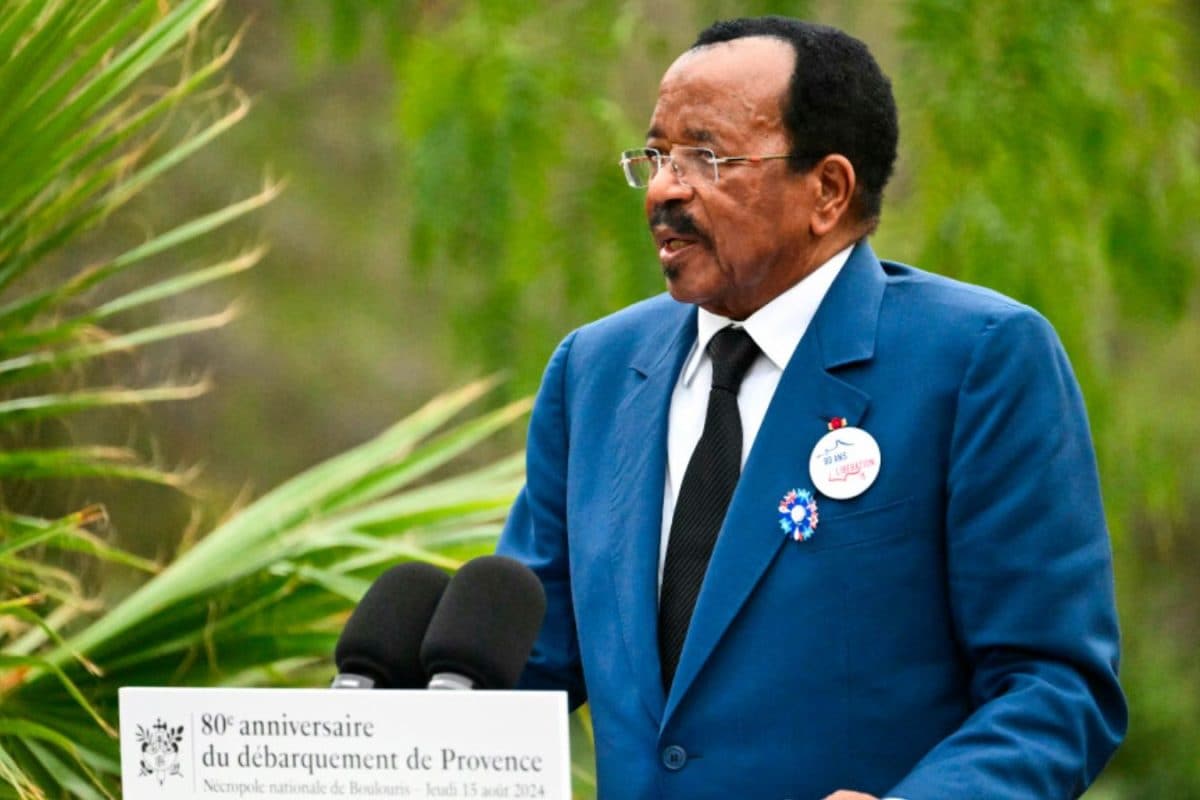
In a country where the average life expectancy is just over 60 years, 92-year-old Paul Biya has secured his eighth term as President of Cameroon, a feat that has sparked both celebration and controversy. This election victory extends his rule to an astonishing 42 years, making him one of the world's longest-serving leaders.
The election, held on October 7, 2023, was marred by allegations of widespread irregularities, with opposition leader Issa Tchiroma Bakary claiming the vote was rigged. The streets of Douala, Cameroon's largest city, became a battleground as clashes erupted, leaving several dead and many more injured. The violence cast a dark shadow over the election, raising questions about the legitimacy of the process. Despite these concerns, the Constitutional Council validated Biya's victory, announcing that he had won with 71.24% of the vote.
Biya's enduring political career has been characterized by both stability and criticism. His supporters credit him with maintaining a relatively peaceful nation in a region often plagued by conflict. However, his rule has also been marked by allegations of human rights abuses, corruption, and a lack of political freedom. The recent election has once again brought these issues to the forefront, with many Cameroonians and international observers questioning the fairness of the process.
As Biya embarks on yet another term, the future of Cameroon remains uncertain. The country faces numerous challenges, including a separatist conflict in the Anglophone regions, economic struggles, and growing calls for political reform. The election results have left the nation divided, with some celebrating Biya's longevity and others demanding change. The coming months will be crucial in determining whether Cameroon can address these issues and move towards a more inclusive and democratic future.
Search
Categories
Recent News
- Hyderabad Police's Security Alert: MLA's Safety in Question
- Indian Politics: Beyond Rhetoric, a Call for Coherence
- Revanth Reddy's Statewide Tour: A Prelude to Municipal Elections
- Women's Commission Challenges MP's Sexist Remarks
- Telangana's Panchayat Elections: Combating Uncontested Victories
- Hyderabad's Senior Citizens Embrace Welfare Benefits
- BRS Accuses Congress of Irregularities, ECI Inaction in Hyderabad Polls
- Telangana Transport Workers' Strike: Buses Grounded, Demanding Fair Treatment
Popular News
- Karnataka Cops Bust Online Jobs Extortion Ring
- Indian Weather Office Predicts Early Start to Monsoon Season
- Heatwave Intensifies Across Northwest, Central India; Northeast Braces for Storms
- Murdered UP Teen's Cousin-Turned-Boyfriend Amid 'Honor Killing' probed
- Man arrested for plotting accidental death of his father