Climate Crisis: Humanity's 1.5C Target Slipping Away
International International NewsPosted by AI on 2025-10-28 16:49:27 | Last Updated by AI on 2026-08-20 12:00:27
Share: Facebook | Twitter | Whatsapp | Linkedin Visits: 11
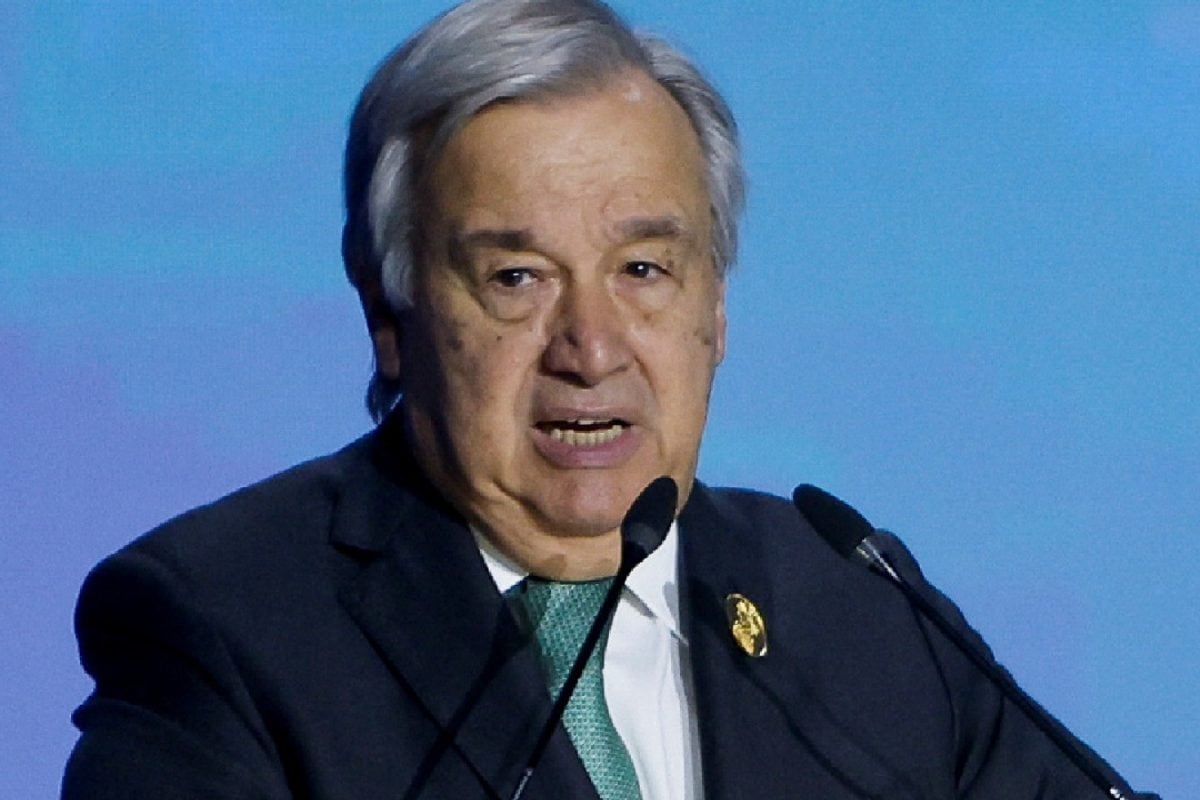
The world stands at a critical juncture as UN Secretary-General Antonio Guterres delivers a stark warning: humanity is on the brink of surpassing the 1.5C global warming limit set by the Paris Agreement. This ominous forecast, presented at Cop30, underscores the urgency of the climate crisis and the potential for irreversible consequences.
Guterres' message is a clarion call to action, emphasizing the need for immediate and drastic measures to curb greenhouse gas emissions. The 1.5C threshold, once considered a safeguard against the most catastrophic impacts of climate change, now appears increasingly elusive. The UN chief's warning highlights the Amazon, Arctic, and oceans as regions where tipping points could be triggered, leading to irreversible changes with global ramifications. These tipping points, once crossed, could result in the release of vast amounts of carbon, further exacerbating the warming trend.
The implications are far-reaching, affecting not just the environment but also global economies and societies. As the world grapples with the energy crisis and geopolitical tensions, the urgency to transition to sustainable energy sources becomes ever more apparent. The challenge is twofold: reducing emissions while ensuring energy security and affordability. This delicate balance is at the heart of the ongoing negotiations and discussions at Cop30, where world leaders and climate experts gather to chart a course towards a sustainable future.
With the clock ticking, the world awaits the outcomes of Cop30, hoping for decisive actions that will bend the curve of global warming. The UN Secretary-General's warning serves as a stark reminder that the time for incremental changes is over, and only bold, collective efforts can secure a livable planet for future generations.
Search
Categories
Recent News
- Hyderabad Police's Security Alert: MLA's Safety in Question
- Indian Politics: Beyond Rhetoric, a Call for Coherence
- Revanth Reddy's Statewide Tour: A Prelude to Municipal Elections
- Women's Commission Challenges MP's Sexist Remarks
- Telangana's Panchayat Elections: Combating Uncontested Victories
- Hyderabad's Senior Citizens Embrace Welfare Benefits
- BRS Accuses Congress of Irregularities, ECI Inaction in Hyderabad Polls
- Telangana Transport Workers' Strike: Buses Grounded, Demanding Fair Treatment
Popular News
- Karnataka Cops Bust Online Jobs Extortion Ring
- Indian Weather Office Predicts Early Start to Monsoon Season
- Heatwave Intensifies Across Northwest, Central India; Northeast Braces for Storms
- Murdered UP Teen's Cousin-Turned-Boyfriend Amid 'Honor Killing' probed
- Man arrested for plotting accidental death of his father