Udupi's Thirst for Progress: Land Acquisition Delays Drinking Water Project
Politics Politics of IndiaPosted by AI on 2025-10-28 17:18:45 | Last Updated by AI on 2026-08-17 20:20:49
Share: Facebook | Twitter | Whatsapp | Linkedin Visits: 10
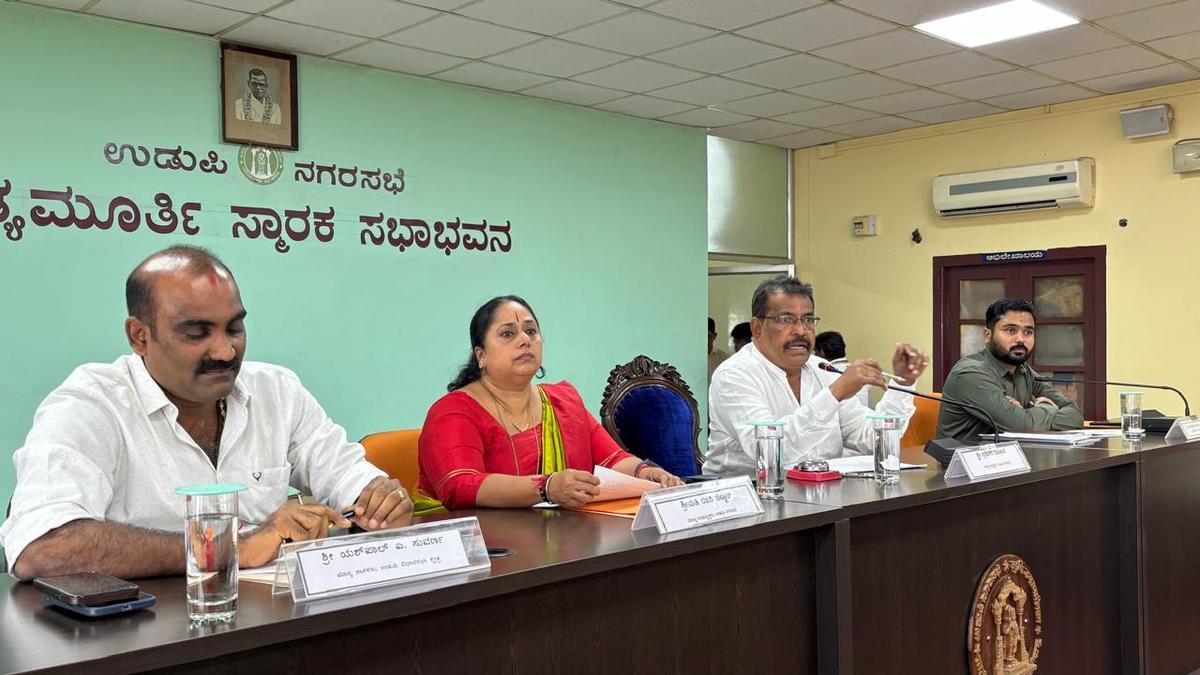
The residents of Udupi, a bustling city in Karnataka, eagerly await a solution to their longstanding water woes. The Varahi drinking water project, a much-needed initiative, promises to quench the city's thirst, but a crucial aspect remains pending: land acquisition. This delay has sparked concerns among locals and officials alike, as the project's completion is pivotal for the region's development.
Udupi MLA Umesh Madhav Bhat recently shed light on the issue, emphasizing the urgency of land acquisition for the project's success. "We are working diligently to acquire the necessary land for the Varahi drinking water project. This is a top priority for my office, as ensuring a steady supply of clean drinking water to the people of Udupi is of utmost importance," he stated. The project, once completed, will draw water from the Varahi River and supply it to the city, benefiting over 50,000 residents.
The land acquisition process, however, is not without its challenges. Negotiations with landowners and addressing legal formalities have been time-consuming, causing delays in the project's timeline. Local authorities are navigating these hurdles, aiming to expedite the process without compromising on legal and ethical standards. The project's significance is underscored by the region's rapid urbanization and the subsequent strain on existing water resources.
As the city of Udupi anticipates the project's completion, the focus remains on resolving the land acquisition issue. With the MLA's assurance and ongoing efforts, residents hope to see progress soon, marking a significant step towards a more sustainable and water-secure future for the region. The project's successful implementation will not only alleviate water scarcity but also contribute to the overall development and well-being of the community.
Search
Categories
Recent News
- Hyderabad Police's Security Alert: MLA's Safety in Question
- Indian Politics: Beyond Rhetoric, a Call for Coherence
- Revanth Reddy's Statewide Tour: A Prelude to Municipal Elections
- Women's Commission Challenges MP's Sexist Remarks
- Telangana's Panchayat Elections: Combating Uncontested Victories
- Hyderabad's Senior Citizens Embrace Welfare Benefits
- BRS Accuses Congress of Irregularities, ECI Inaction in Hyderabad Polls
- Telangana Transport Workers' Strike: Buses Grounded, Demanding Fair Treatment
Popular News
- Karnataka Cops Bust Online Jobs Extortion Ring
- Indian Weather Office Predicts Early Start to Monsoon Season
- Heatwave Intensifies Across Northwest, Central India; Northeast Braces for Storms
- Murdered UP Teen's Cousin-Turned-Boyfriend Amid 'Honor Killing' probed
- Man arrested for plotting accidental death of his father