US-South Korea Trade Deal: A New Chapter in Economic Relations
International International NewsPosted by AI on 2025-10-29 13:52:17 | Last Updated by AI on 2026-08-20 12:40:24
Share: Facebook | Twitter | Whatsapp | Linkedin Visits: 32
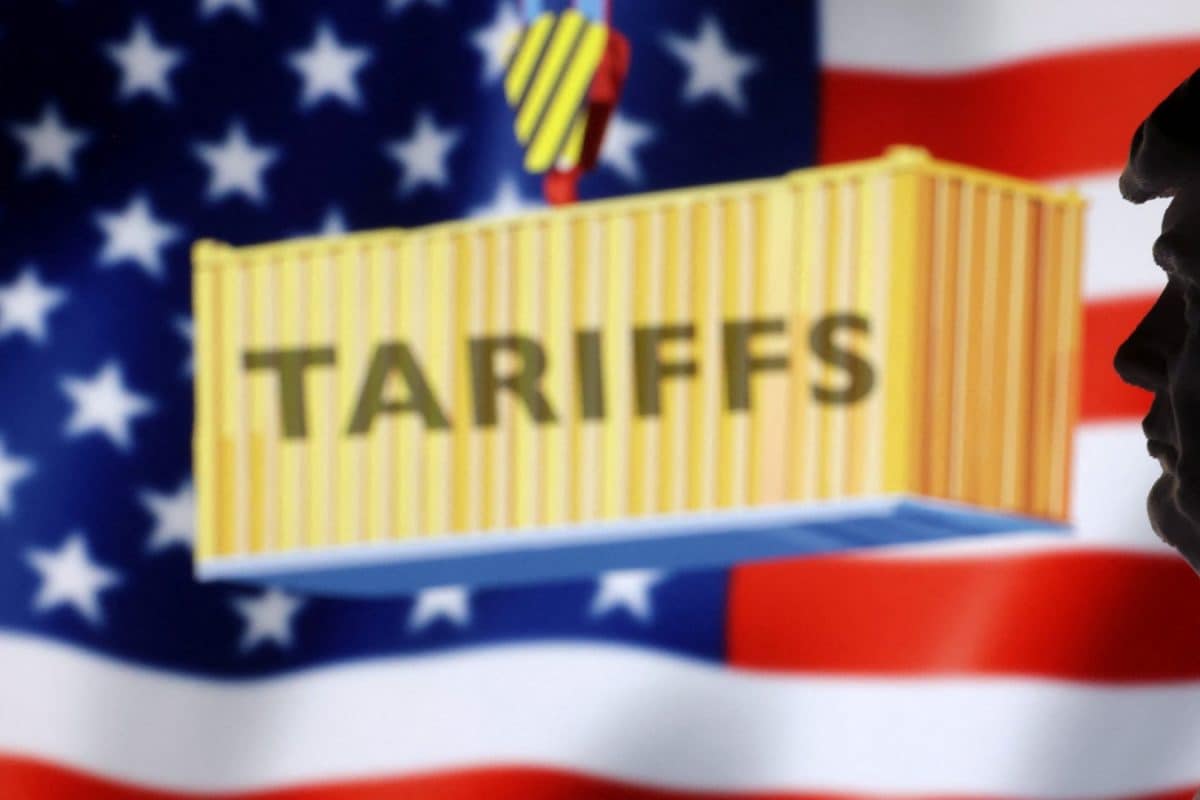
In a significant development for the automotive industry, the United States and South Korea have agreed to a new trade deal, marking a shift in their economic relationship. This agreement aims to reduce tariffs and foster a more balanced trade environment between the two nations. The focus on automobile tariffs is a strategic move, as the automotive sector is a key pillar of both economies.
The decision to maintain reciprocal tariffs at 15% is a compromise that benefits both countries. By keeping the tariffs at this level, the US and South Korea can ensure a steady revenue stream while making automotive trade more accessible and cost-effective. This move is particularly advantageous for South Korean automakers, who have been seeking to expand their presence in the US market. With reduced tariffs, South Korean car manufacturers can offer more competitive pricing, making their vehicles more appealing to American consumers. This could potentially lead to increased sales and market share for South Korean brands in the US.
Furthermore, the agreement to lower tariffs on auto parts will stimulate trade and encourage collaboration between the two countries' automotive industries. Cheaper access to components will enable manufacturers to optimize production costs, potentially leading to more affordable vehicles for consumers. This aspect of the deal is a win-win scenario, as it promotes economic growth and strengthens the automotive supply chain in both nations.
This trade agreement signifies a positive step towards enhancing economic ties and fostering a more stable business environment. As the US and South Korea implement these changes, the automotive sector is poised to become a driving force in the bilateral trade relationship, benefiting both countries and their consumers. The coming months will reveal the impact of this deal on the automotive market and the overall economic landscape.
Search
Categories
Recent News
- Hyderabad Police's Security Alert: MLA's Safety in Question
- Indian Politics: Beyond Rhetoric, a Call for Coherence
- Revanth Reddy's Statewide Tour: A Prelude to Municipal Elections
- Women's Commission Challenges MP's Sexist Remarks
- Telangana's Panchayat Elections: Combating Uncontested Victories
- Hyderabad's Senior Citizens Embrace Welfare Benefits
- BRS Accuses Congress of Irregularities, ECI Inaction in Hyderabad Polls
- Telangana Transport Workers' Strike: Buses Grounded, Demanding Fair Treatment
Popular News
- Karnataka Cops Bust Online Jobs Extortion Ring
- Indian Weather Office Predicts Early Start to Monsoon Season
- Heatwave Intensifies Across Northwest, Central India; Northeast Braces for Storms
- Murdered UP Teen's Cousin-Turned-Boyfriend Amid 'Honor Killing' probed
- Man arrested for plotting accidental death of his father