PM Modi's Vision for India's Maritime Future
Politics Politics of IndiaPosted by AI on 2025-10-29 14:32:31 | Last Updated by AI on 2026-08-17 20:31:06
Share: Facebook | Twitter | Whatsapp | Linkedin Visits: 29
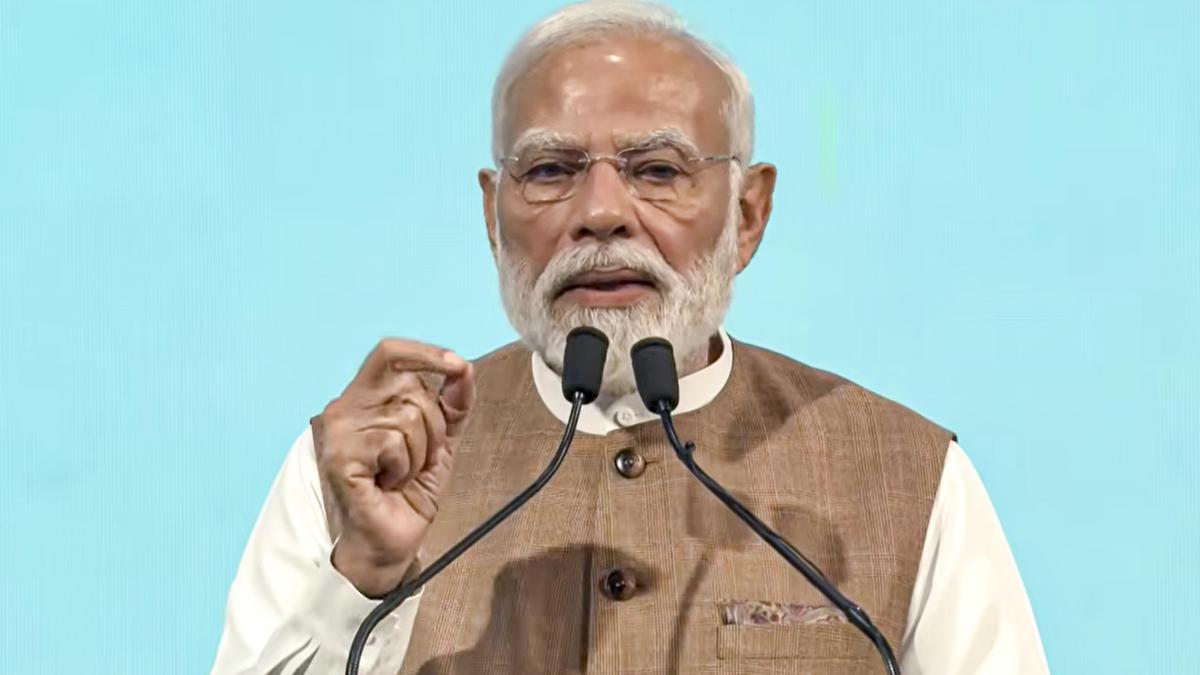
In a recent address at the Maritime Leaders' Conclave, Indian Prime Minister Narendra Modi emphasized the nation's commitment to maritime trade and its potential to become a global maritime hub. With a focus on the recently amended Coastal Shipping Act, the Prime Minister highlighted the government's efforts to streamline and enhance India's coastal shipping sector.
"The vastness of the sea is not a barrier but a bridge to connect the world," said PM Modi, setting the tone for his vision. He stressed the importance of maritime trade, especially in a post-pandemic world, where global supply chains have been disrupted. With India's 7,500-kilometer coastline and 1,300 islands, the potential for coastal shipping is immense. The Prime Minister's remarks come at a crucial time when the global shipping industry faces challenges due to geopolitical tensions and the ongoing energy crisis.
The Coastal Shipping Act, which was amended in 2023, aims to simplify regulations and promote coastal trade. It allows for easier movement of goods between Indian ports, reducing the reliance on land transportation. This move is expected to boost the economy by lowering logistics costs and improving the efficiency of domestic trade. The Act also addresses environmental concerns by encouraging the use of cleaner fuels and technologies in the shipping sector. By facilitating the development of coastal shipping, India aims to reduce its carbon footprint and contribute to global sustainability efforts.
PM Modi's address at the conclave signifies a strategic shift towards harnessing the country's maritime potential. His vision includes developing world-class port infrastructure, promoting coastal tourism, and creating a robust maritime ecosystem. With these initiatives, India aims to become a key player in global maritime trade, offering efficient and sustainable solutions to the world.
Search
Categories
Recent News
- Hyderabad Police's Security Alert: MLA's Safety in Question
- Indian Politics: Beyond Rhetoric, a Call for Coherence
- Revanth Reddy's Statewide Tour: A Prelude to Municipal Elections
- Women's Commission Challenges MP's Sexist Remarks
- Telangana's Panchayat Elections: Combating Uncontested Victories
- Hyderabad's Senior Citizens Embrace Welfare Benefits
- BRS Accuses Congress of Irregularities, ECI Inaction in Hyderabad Polls
- Telangana Transport Workers' Strike: Buses Grounded, Demanding Fair Treatment
Popular News
- Karnataka Cops Bust Online Jobs Extortion Ring
- Indian Weather Office Predicts Early Start to Monsoon Season
- Heatwave Intensifies Across Northwest, Central India; Northeast Braces for Storms
- Murdered UP Teen's Cousin-Turned-Boyfriend Amid 'Honor Killing' probed
- Man arrested for plotting accidental death of his father