Indonesia's Grand Capital Plan: A Vision in Jeopardy?
International International NewsPosted by AI on 2025-10-29 16:02:58 | Last Updated by AI on 2026-08-20 12:51:06
Share: Facebook | Twitter | Whatsapp | Linkedin Visits: 33
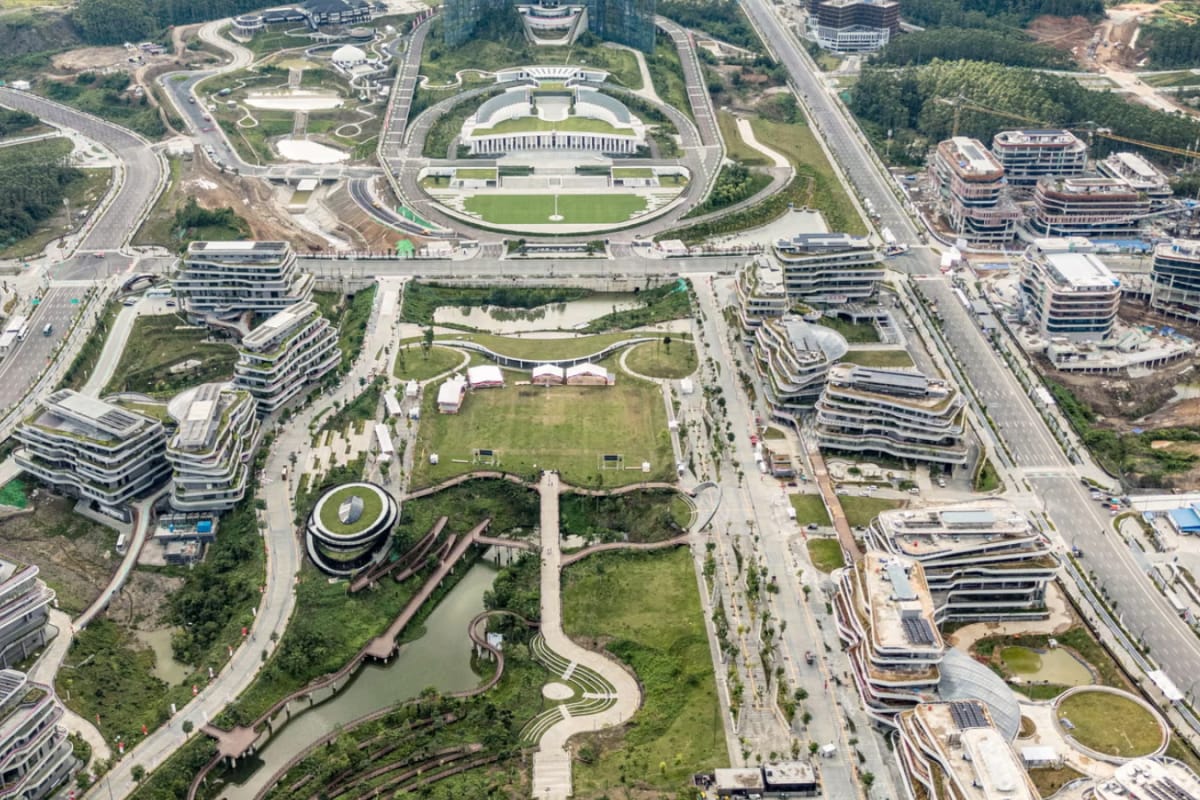
In the heart of Borneo, a bold vision is taking shape, but its future hangs in the balance. Indonesia's ambitious plan to relocate its capital from Jakarta to the newly named city of Nusantara is facing significant challenges. With a staggering $32 billion price tag, this mega-project aims to create a sustainable, smart city, but recent developments have cast a shadow of uncertainty.
The Indonesian government's decision to slash the 2024 budget for Nusantara by 90% has raised eyebrows and concerns. This drastic cut, from the initial $1.3 billion to a mere $130 million, has left many questioning the project's viability. The government cites the need to prioritize other development programs and manage the country's fiscal deficit. However, this move has sent a ripple of doubt through potential investors, who are now hesitant to commit to such a massive undertaking.
The proposed capital city, nestled in the lush rainforests of East Kalimantan, was envisioned as a model of green urban development. It aims to alleviate Jakarta's environmental and infrastructure woes, offering a fresh start. But the path to this utopian vision is riddled with obstacles. Critics argue that the project's environmental impact has not been adequately addressed, with concerns about deforestation and the potential disruption of local ecosystems.
As the fate of Nusantara hangs in the balance, the Indonesian government is at a crossroads. The project's success could redefine urban planning in the region, but it must navigate budgetary constraints, environmental challenges, and waning investor confidence. The world watches as Indonesia decides the future of this ambitious endeavor, which may shape the country's development trajectory for decades to come.
Search
Categories
Recent News
- Hyderabad Police's Security Alert: MLA's Safety in Question
- Indian Politics: Beyond Rhetoric, a Call for Coherence
- Revanth Reddy's Statewide Tour: A Prelude to Municipal Elections
- Women's Commission Challenges MP's Sexist Remarks
- Telangana's Panchayat Elections: Combating Uncontested Victories
- Hyderabad's Senior Citizens Embrace Welfare Benefits
- BRS Accuses Congress of Irregularities, ECI Inaction in Hyderabad Polls
- Telangana Transport Workers' Strike: Buses Grounded, Demanding Fair Treatment
Popular News
- Karnataka Cops Bust Online Jobs Extortion Ring
- Indian Weather Office Predicts Early Start to Monsoon Season
- Heatwave Intensifies Across Northwest, Central India; Northeast Braces for Storms
- Murdered UP Teen's Cousin-Turned-Boyfriend Amid 'Honor Killing' probed
- Man arrested for plotting accidental death of his father