Farmers' Fury: DMK's Broken Promises in Tamil Nadu
Politics Politics of IndiaPosted by AI on 2025-10-29 17:12:43 | Last Updated by AI on 2026-08-17 20:41:49
Share: Facebook | Twitter | Whatsapp | Linkedin Visits: 14
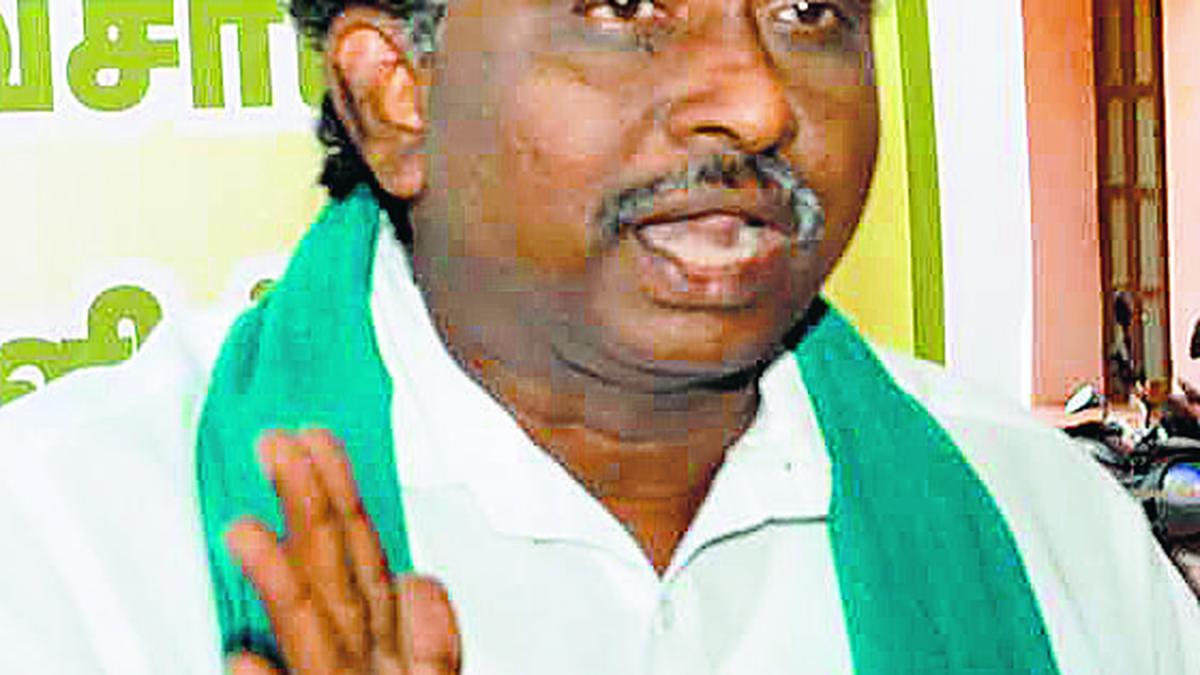
The farmers of Tamil Nadu are up in arms against the ruling DMK government, led by Chief Minister Stalin, for what they perceive as a betrayal of their trust. The President of the Coordination Committee of All Farmers Associations, Mr. P. Ayyakannu, has accused the government of neglecting the welfare of farmers during its four-year tenure. This allegation has sparked a heated debate and raised questions about the government's commitment to its pre-election promises.
The farmers' anger stems from the stark contrast between the DMK's promises during its opposition days and its actions once in power. Mr. Ayyakannu recalled how the party, while in opposition, had vehemently supported farmers' causes and even participated in protests against the previous government's agricultural policies. However, since assuming office, the DMK has allegedly turned a blind eye to the farmers' plight. The committee president claims that the government has failed to address critical issues such as the ongoing drought, inadequate crop insurance, and the lack of a fair price for agricultural produce.
The farmers' frustration is palpable as they feel their voices are being ignored. They argue that the government's policies have not only failed to alleviate their struggles but, in some cases, have exacerbated them. The recent decision to increase the price of fertilizers and the lack of effective drought relief measures have added fuel to the fire. With the state's agricultural sector in distress, farmers are demanding immediate attention and concrete solutions from the government.
As the farmers' protests intensify, the DMK government faces a significant challenge in restoring trust and addressing the grievances of this vital constituency. The coming months will be crucial in determining whether the government can bridge the gap between its promises and actions, or if the farmers' accusations of betrayal will persist, potentially shaping the political landscape of Tamil Nadu.
Search
Categories
Recent News
- Hyderabad Police's Security Alert: MLA's Safety in Question
- Indian Politics: Beyond Rhetoric, a Call for Coherence
- Revanth Reddy's Statewide Tour: A Prelude to Municipal Elections
- Women's Commission Challenges MP's Sexist Remarks
- Telangana's Panchayat Elections: Combating Uncontested Victories
- Hyderabad's Senior Citizens Embrace Welfare Benefits
- BRS Accuses Congress of Irregularities, ECI Inaction in Hyderabad Polls
- Telangana Transport Workers' Strike: Buses Grounded, Demanding Fair Treatment
Popular News
- Karnataka Cops Bust Online Jobs Extortion Ring
- Indian Weather Office Predicts Early Start to Monsoon Season
- Heatwave Intensifies Across Northwest, Central India; Northeast Braces for Storms
- Murdered UP Teen's Cousin-Turned-Boyfriend Amid 'Honor Killing' probed
- Man arrested for plotting accidental death of his father