Khadi's Enduring Legacy: Amit Shah's Personal Connection and Political Significance
Politics Politics of IndiaPosted by AI on 2025-10-29 17:30:14 | Last Updated by AI on 2026-08-17 20:52:49
Share: Facebook | Twitter | Whatsapp | Linkedin Visits: 14
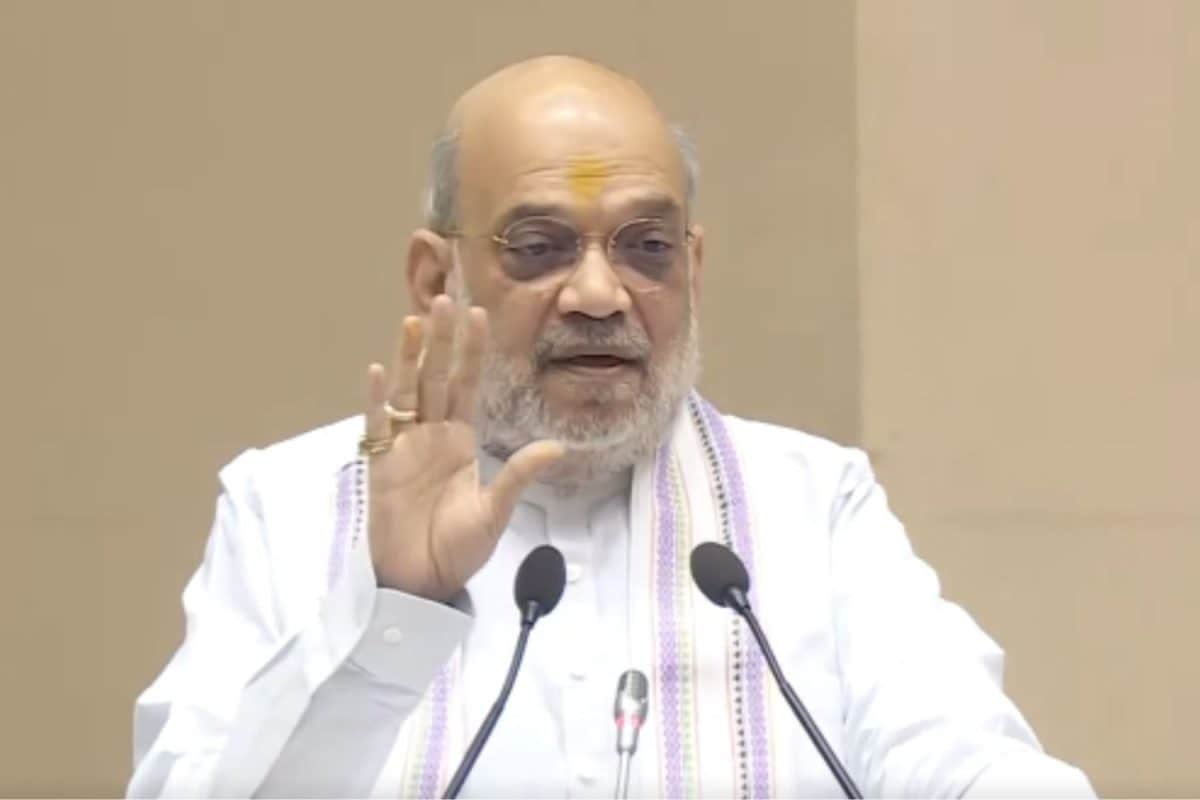
In a recent event organized by News18, Union Home Minister Amit Shah shared a personal anecdote that shed light on the enduring relevance of khadi, a fabric deeply intertwined with India's independence movement. Shah revealed that his mother, a pivotal figure in his life, encouraged him to wear khadi, a tradition he continues to uphold. This simple yet powerful statement underscores the fabric's symbolic value, which has transcended generations and remains a cornerstone of Indian identity.
Shah's advocacy for khadi extends beyond personal preference; it is a political statement. Khadi, popularized by Mahatma Gandhi, has been a symbol of self-reliance and national pride since 1920. By donning khadi, Shah aligns himself with the principles of simplicity, sustainability, and economic empowerment that the fabric represents. This act of wearing khadi is a subtle yet effective way to connect with the masses, especially those who hold Gandhi's ideals in high regard.
The event also provided a platform for Shah to address the Goods and Services Tax (GST) cut on khadi products, a move that has been widely welcomed. The GST reduction from 12% to 5% is expected to boost the khadi industry, making these handmade products more affordable and accessible. This decision highlights the government's commitment to promoting indigenous industries and supporting the livelihoods of millions of artisans and weavers across the country.
As the event concluded, Shah's message was clear: khadi is not just a fabric but a powerful symbol of India's past, present, and future. His personal connection to it adds a human touch to the political narrative, reminding us of the enduring impact of historical movements on individual lives and national identity.
Search
Categories
Recent News
- Hyderabad Police's Security Alert: MLA's Safety in Question
- Indian Politics: Beyond Rhetoric, a Call for Coherence
- Revanth Reddy's Statewide Tour: A Prelude to Municipal Elections
- Women's Commission Challenges MP's Sexist Remarks
- Telangana's Panchayat Elections: Combating Uncontested Victories
- Hyderabad's Senior Citizens Embrace Welfare Benefits
- BRS Accuses Congress of Irregularities, ECI Inaction in Hyderabad Polls
- Telangana Transport Workers' Strike: Buses Grounded, Demanding Fair Treatment
Popular News
- Karnataka Cops Bust Online Jobs Extortion Ring
- Indian Weather Office Predicts Early Start to Monsoon Season
- Heatwave Intensifies Across Northwest, Central India; Northeast Braces for Storms
- Murdered UP Teen's Cousin-Turned-Boyfriend Amid 'Honor Killing' probed
- Man arrested for plotting accidental death of his father