Fake Aadhaar Scam: NCP MLA's Stunning Revelation
Politics Politics of IndiaPosted by AI on 2025-10-30 06:00:43 | Last Updated by AI on 2026-08-17 21:05:39
Share: Facebook | Twitter | Whatsapp | Linkedin Visits: 14
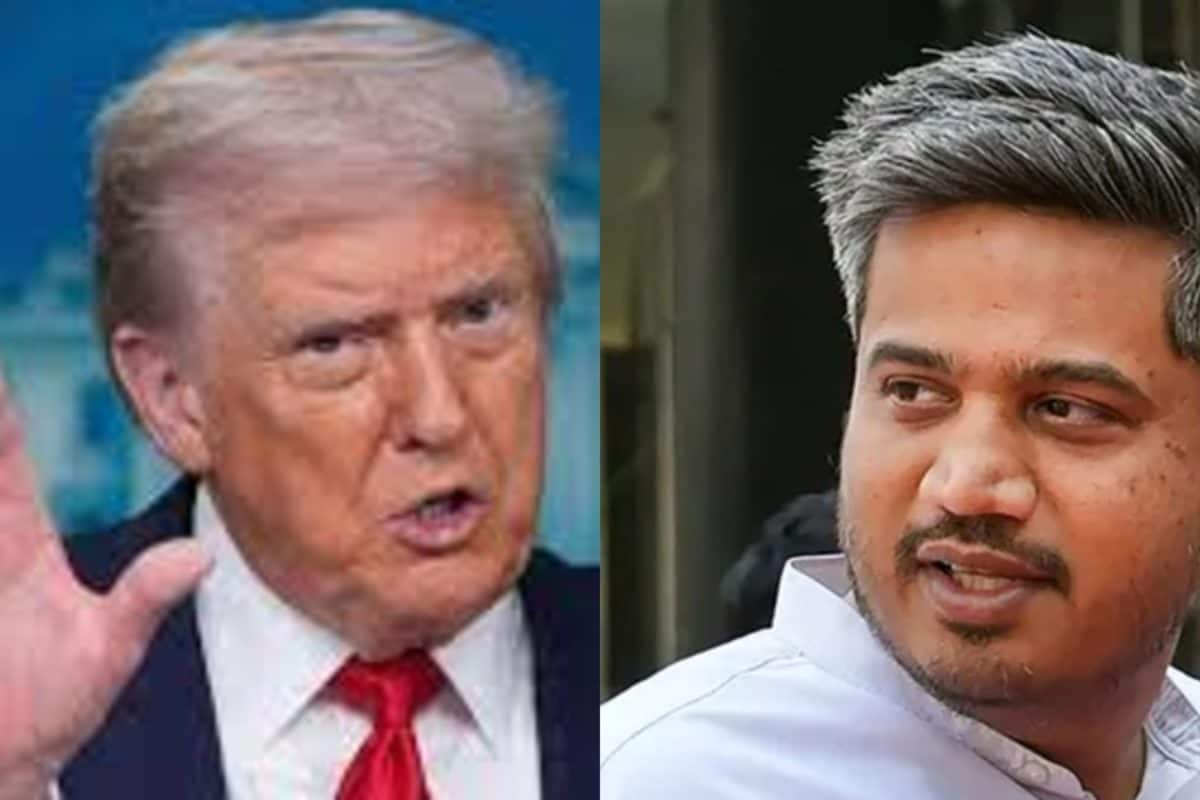
In a shocking display of India's digital security vulnerabilities, NCP MLA Rohit Pawar has sparked controversy by showcasing the ease of creating counterfeit Aadhaar cards. During a press briefing on October 16, Pawar demonstrated how anyone could obtain a fake Aadhaar, the country's unique identification document, for a mere Rs 20.
Pawar's intention was to highlight the loopholes in the system and the potential for misuse. He accessed an unauthorized website, input personal details, and within minutes, presented a fake Aadhaar card with the name of former US President Donald Trump. This bold move has raised serious concerns about the security of India's digital infrastructure and the potential for identity theft and fraud.
The incident has triggered a swift response from the Unique Identification Authority of India (UIDAI), which has filed a First Information Report (FIR) against Pawar. The UIDAI has stated that it takes such matters very seriously and has assured the public that Aadhaar data is secure and encrypted. They emphasized that the website used by Pawar is not affiliated with the UIDAI and that official Aadhaar services are safe and robust.
As the investigation unfolds, this incident serves as a stark reminder of the ongoing challenges in balancing digital accessibility and security. It raises questions about the measures needed to safeguard sensitive personal data and the potential consequences of such vulnerabilities. With the increasing digitization of personal information, the need for robust security measures and public awareness is more critical than ever.
Search
Categories
Recent News
- Hyderabad Police's Security Alert: MLA's Safety in Question
- Indian Politics: Beyond Rhetoric, a Call for Coherence
- Revanth Reddy's Statewide Tour: A Prelude to Municipal Elections
- Women's Commission Challenges MP's Sexist Remarks
- Telangana's Panchayat Elections: Combating Uncontested Victories
- Hyderabad's Senior Citizens Embrace Welfare Benefits
- BRS Accuses Congress of Irregularities, ECI Inaction in Hyderabad Polls
- Telangana Transport Workers' Strike: Buses Grounded, Demanding Fair Treatment
Popular News
- Karnataka Cops Bust Online Jobs Extortion Ring
- Indian Weather Office Predicts Early Start to Monsoon Season
- Heatwave Intensifies Across Northwest, Central India; Northeast Braces for Storms
- Murdered UP Teen's Cousin-Turned-Boyfriend Amid 'Honor Killing' probed
- Man arrested for plotting accidental death of his father