Trump's China Tariff Cut: A Diplomatic Breakthrough?
International International NewsPosted by AI on 2025-10-30 06:28:56 | Last Updated by AI on 2026-08-20 13:13:56
Share: Facebook | Twitter | Whatsapp | Linkedin Visits: 15
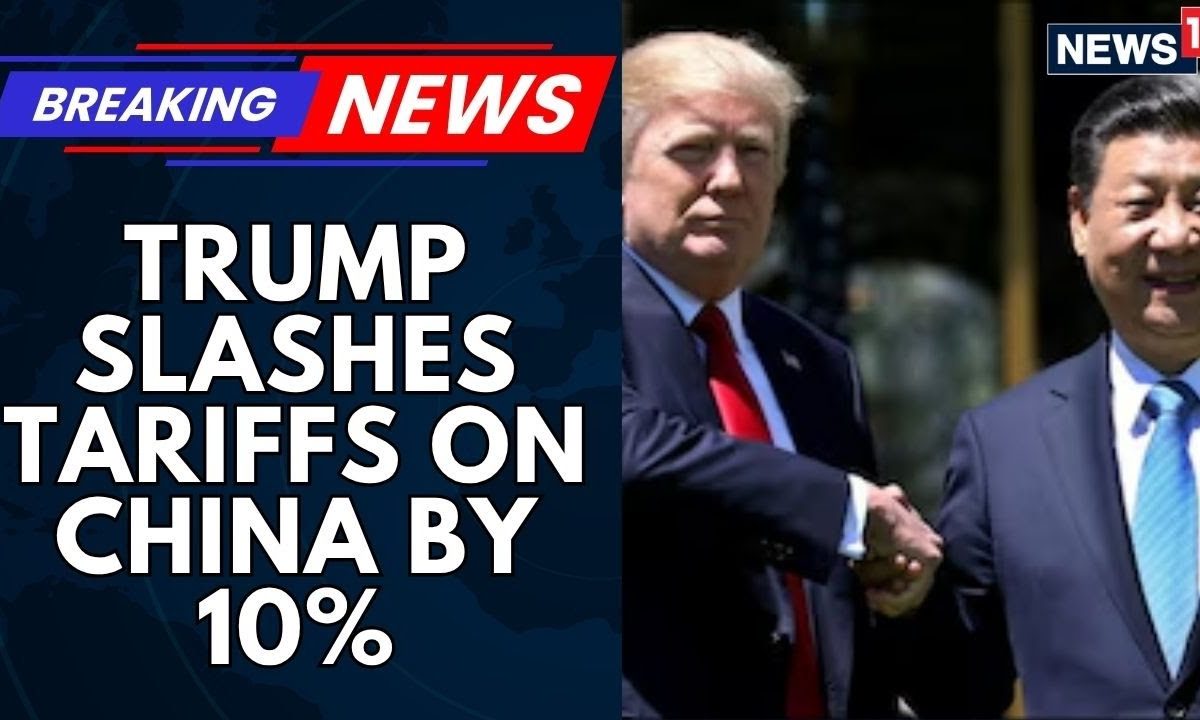
In a surprising move, former President Donald Trump has slashed tariffs on Chinese goods by 10%, following his recent meeting with President Xi Jinping. This decision marks a significant shift in the ongoing trade tensions between the two economic powerhouses and has sparked a wave of reactions from experts and diplomats.
The meeting, held in a private setting, was an opportunity for both leaders to discuss and potentially resolve long-standing trade disputes. Trump's decision to reduce tariffs is a notable departure from his previous stance, where he had imposed tariffs on Chinese imports, citing unfair trade practices. This move has raised eyebrows among trade analysts, who are now speculating about the factors that led to this unexpected concession.
K.P. Fabian, a veteran diplomat, expressed his views on the matter, stating that "Trump's decision could be a strategic move to ease tensions and foster a more cooperative relationship with China." Fabian further added that "while a 10% reduction might seem small, it could be a significant gesture, indicating a willingness to negotiate and find common ground." This perspective highlights the potential for improved diplomatic ties and a more stable economic relationship between the two nations.
Robinder Sachdev, a renowned foreign affairs expert, also weighed in, suggesting that the tariff cut might be a calculated step towards a broader trade agreement. Sachdev noted, "This could be the beginning of a new phase in US-China relations, where both countries work towards a mutually beneficial trade framework." The implications of this move extend beyond economics, potentially influencing geopolitical dynamics and global trade patterns. As the world watches, the impact of this decision on the future of US-China relations remains to be seen, leaving experts and policymakers alike anticipating the next steps in this evolving narrative.
Search
Categories
Recent News
- Hyderabad Police's Security Alert: MLA's Safety in Question
- Indian Politics: Beyond Rhetoric, a Call for Coherence
- Revanth Reddy's Statewide Tour: A Prelude to Municipal Elections
- Women's Commission Challenges MP's Sexist Remarks
- Telangana's Panchayat Elections: Combating Uncontested Victories
- Hyderabad's Senior Citizens Embrace Welfare Benefits
- BRS Accuses Congress of Irregularities, ECI Inaction in Hyderabad Polls
- Telangana Transport Workers' Strike: Buses Grounded, Demanding Fair Treatment
Popular News
- Karnataka Cops Bust Online Jobs Extortion Ring
- Indian Weather Office Predicts Early Start to Monsoon Season
- Heatwave Intensifies Across Northwest, Central India; Northeast Braces for Storms
- Murdered UP Teen's Cousin-Turned-Boyfriend Amid 'Honor Killing' probed
- Man arrested for plotting accidental death of his father