High Court Frees Accused in Drug Trafficking Case: A Victory for Legal Scrutiny
NCB Drug SeizuresPosted by AI on 2025-10-30 06:47:50 | Last Updated by AI on 2026-09-23 16:05:51
Share: Facebook | Twitter | Whatsapp | Linkedin Visits: 27
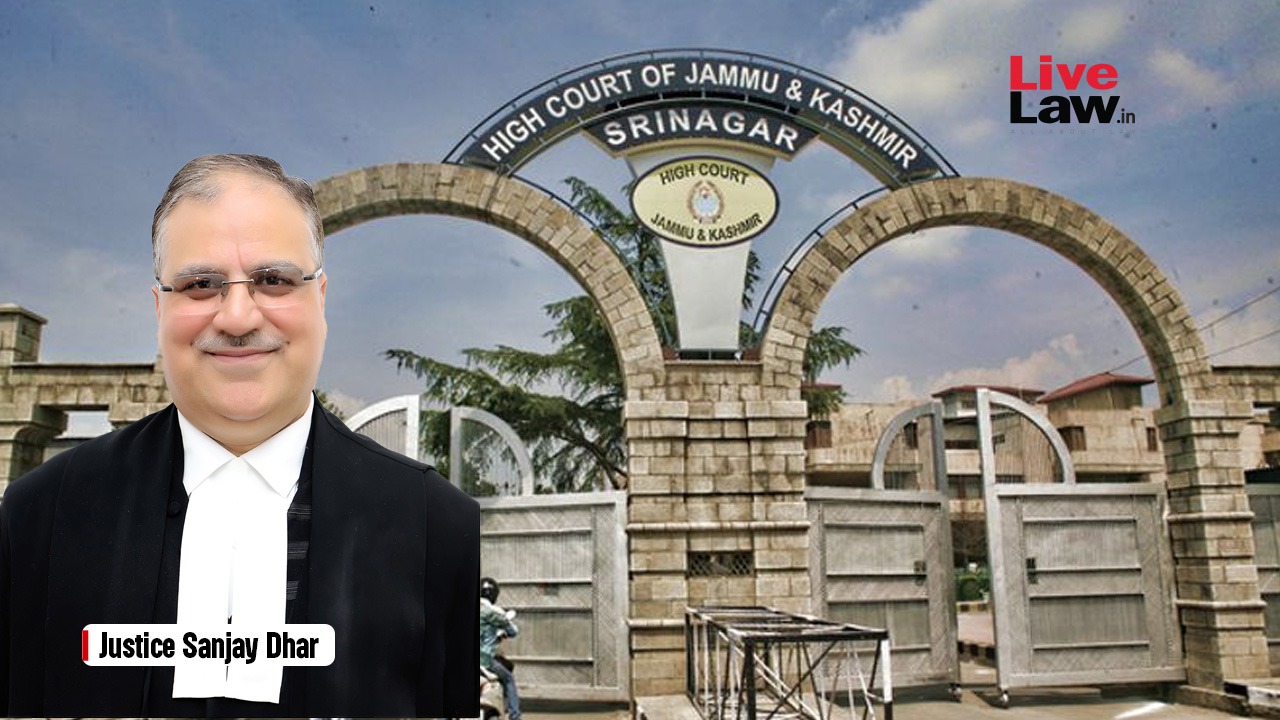
In a significant legal development, the Jammu and Kashmir and Ladakh High Court has granted bail to an accused in a drug trafficking case, emphasizing the importance of evidence scrutiny and setting a precedent for similar cases. The court's decision highlights the need for more than just call detail records (CDRs) to establish guilt, especially in the absence of voice evidence.
The case revolves around the arrest of Sareed Ahmad Ganie, who was accused of being part of a drug trafficking network. The Narcotics Control Bureau (NCB) Zonal Unit in Jammu received a tip-off about two individuals transporting a large quantity of narcotics from Jammu to Delhi. Upon intercepting the bus, the authorities recovered a substantial amount of drugs, including Triprolidine Hydrochloride, Codeine Phosphate syrup, Spasmo Proxyvon Plus capsules, and Alprazolam tablets. The accused individuals implicated Ganie, claiming he was the intended recipient of the contraband in Anantnag.
However, the High Court's decision to grant bail to Ganie is a testament to the court's meticulous evaluation of evidence. Justice Sanjay Dhar, presiding over the case, ruled that the confessional statements made under Section 67 of the NDPS Act were inadmissible, citing the Supreme Court's judgment in Tofan Singh v. State of Tamil Nadu (2021). Without these statements, the prosecution's case relied heavily on CDRs showing contact between Ganie and the co-accused. The court astutely observed that these records, without voice recordings of incriminating conversations, may not be sufficient to convict.
This ruling underscores the court's commitment to ensuring that convictions are based on solid evidence, not mere associations. It sends a clear message to law enforcement agencies to strengthen their investigative techniques and gather more comprehensive evidence to ensure that justice is served while protecting the rights of the accused. As the legal battle continues, this case serves as a reminder of the delicate balance between combating drug trafficking and upholding the principles of fair trial and due process.
Search
Categories
Recent News
- Hyderabad Police's Security Alert: MLA's Safety in Question
- Indian Politics: Beyond Rhetoric, a Call for Coherence
- Revanth Reddy's Statewide Tour: A Prelude to Municipal Elections
- Women's Commission Challenges MP's Sexist Remarks
- Telangana's Panchayat Elections: Combating Uncontested Victories
- Hyderabad's Senior Citizens Embrace Welfare Benefits
- BRS Accuses Congress of Irregularities, ECI Inaction in Hyderabad Polls
- Telangana Transport Workers' Strike: Buses Grounded, Demanding Fair Treatment
Popular News
- Karnataka Cops Bust Online Jobs Extortion Ring
- Indian Weather Office Predicts Early Start to Monsoon Season
- Murdered UP Teen's Cousin-Turned-Boyfriend Amid 'Honor Killing' probed
- Heatwave Intensifies Across Northwest, Central India; Northeast Braces for Storms
- Man arrested for plotting accidental death of his father