Delhi Riots Accused Denied Bail: Police Allege 'Conspiracy'
Politics Politics of IndiaPosted by AI on 2025-10-30 14:21:06 | Last Updated by AI on 2026-08-17 21:18:39
Share: Facebook | Twitter | Whatsapp | Linkedin Visits: 33
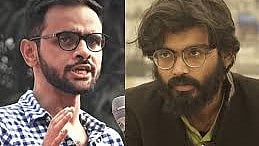
In a significant development in the 2020 Delhi riots case, the Delhi Police have opposed the bail pleas of former JNU student leaders Umar Khalid and Sharjeel Imam, claiming their involvement in a 'deep-rooted conspiracy' aimed at overthrowing the government. This development comes as a crucial turn in the ongoing investigation into the riots that shook the national capital.
The police, in their response to the bail pleas, alleged that the accused were part of a larger conspiracy to incite violence and create chaos during the riots. They accused Khalid and Imam of being 'masterminds' who orchestrated the riots, along with Gulfisha Fatima and Meeran Haider. The police claim that the group's actions were not spontaneous but a well-planned attempt to bring about a 'regime change' in the country.
The bail hearing, which took place at the Karkardooma Court, witnessed intense arguments from both sides. The defense lawyers argued that the police have failed to provide any concrete evidence linking the accused to the conspiracy charges. They further stated that the allegations are based on distorted interpretations of speeches and social media posts, which do not constitute a criminal offense. However, the prosecution countered by presenting their interpretation of the evidence, insisting that the accused were not merely exercising their freedom of speech but actively plotting to disrupt the nation's peace.
As the court reserves its order on the bail pleas, the case continues to garner attention for its potential implications on free speech and political activism in India. The outcome will not only impact the accused but also set a precedent for similar cases, shaping the future of civil liberties and political discourse in the country. With the nation watching, the court's decision is awaited with a mix of anticipation and concern.
Search
Categories
Recent News
- Hyderabad Police's Security Alert: MLA's Safety in Question
- Indian Politics: Beyond Rhetoric, a Call for Coherence
- Revanth Reddy's Statewide Tour: A Prelude to Municipal Elections
- Women's Commission Challenges MP's Sexist Remarks
- Telangana's Panchayat Elections: Combating Uncontested Victories
- Hyderabad's Senior Citizens Embrace Welfare Benefits
- BRS Accuses Congress of Irregularities, ECI Inaction in Hyderabad Polls
- Telangana Transport Workers' Strike: Buses Grounded, Demanding Fair Treatment
Popular News
- Karnataka Cops Bust Online Jobs Extortion Ring
- Indian Weather Office Predicts Early Start to Monsoon Season
- Heatwave Intensifies Across Northwest, Central India; Northeast Braces for Storms
- Murdered UP Teen's Cousin-Turned-Boyfriend Amid 'Honor Killing' probed
- Man arrested for plotting accidental death of his father