Tennis Scandal: National Champion Banned for Doping
Sports Other SportsPosted by AI on 2025-10-30 14:54:19 | Last Updated by AI on 2026-08-22 01:05:42
Share: Facebook | Twitter | Whatsapp | Linkedin Visits: 18
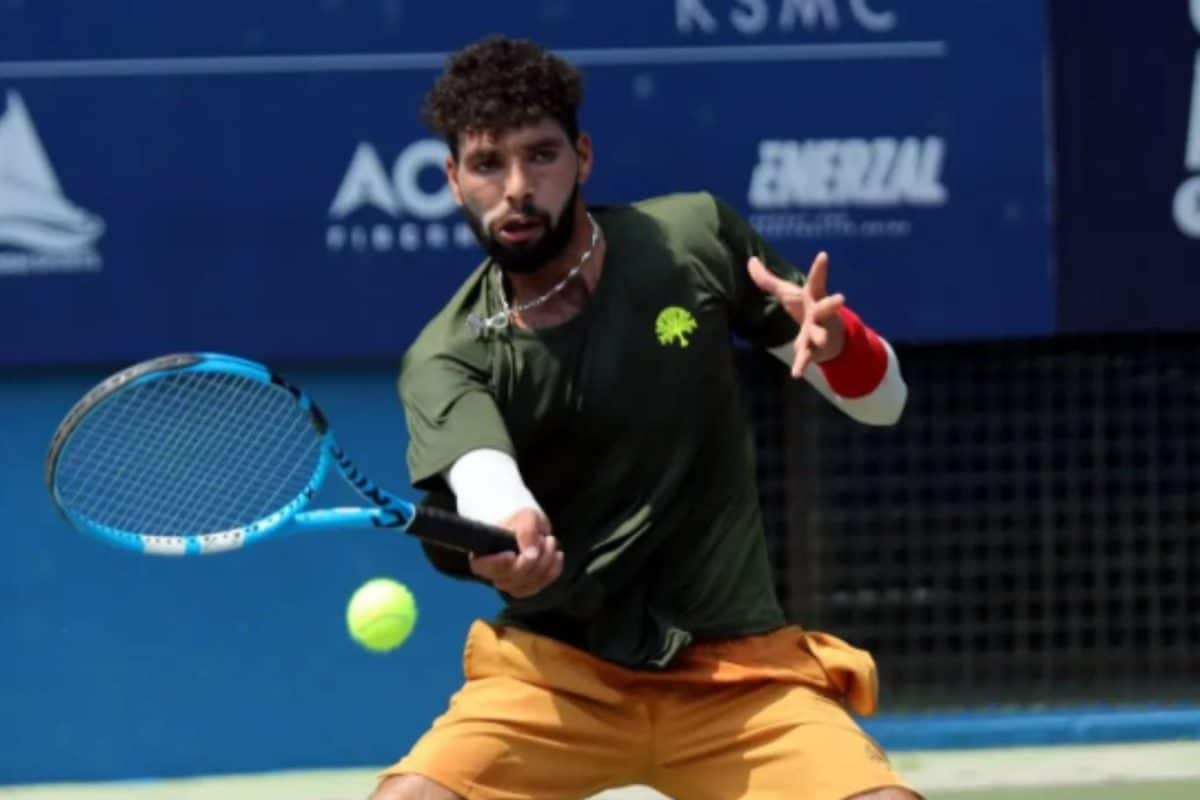
The tennis world in India is reeling from a shocking development as the country's top tennis body, the Indian Tennis Integrity Association (ITIA), has handed down a two-year ban to Dalwinder Singh, the 2017 national champion. This decision comes after Singh tested positive for morphine during an ITF World Tennis Tour event in Chandigarh this March.
The ITIA's swift action sends a clear message about its zero-tolerance policy for doping in the sport. Singh, a rising star in Indian tennis, has been a prominent figure on the national tennis scene since his junior days. He had been making steady progress on the international circuit, reaching a career-high ranking of 380 in 2024. However, this recent scandal has abruptly halted his promising career trajectory.
The ITIA's investigation revealed that Singh's urine sample, collected after his first-round match in Chandigarh, tested positive for morphine, a prohibited substance under the World Anti-Doping Agency (WADA) code. This finding was confirmed by a WADA-accredited laboratory in Montreal, Canada. The ITIA's Anti-Doping Disciplinary Panel found Singh guilty of an anti-doping rule violation and imposed a two-year period of ineligibility, starting from the date of the provisional suspension, March 15, 2025.
This ban means Singh will miss the upcoming tennis season, including the prestigious Davis Cup, where he was expected to play a pivotal role in India's campaign. The ITIA's decision serves as a stark reminder of the consequences of doping, underscoring the importance of fair play and integrity in sports. As the tennis community digests this news, it remains to be seen how this scandal will impact Singh's career and the perception of Indian tennis on the global stage.
Search
Categories
Recent News
- Hyderabad Police's Security Alert: MLA's Safety in Question
- Indian Politics: Beyond Rhetoric, a Call for Coherence
- Revanth Reddy's Statewide Tour: A Prelude to Municipal Elections
- Women's Commission Challenges MP's Sexist Remarks
- Telangana's Panchayat Elections: Combating Uncontested Victories
- Hyderabad's Senior Citizens Embrace Welfare Benefits
- BRS Accuses Congress of Irregularities, ECI Inaction in Hyderabad Polls
- Telangana Transport Workers' Strike: Buses Grounded, Demanding Fair Treatment
Popular News
- Karnataka Cops Bust Online Jobs Extortion Ring
- Indian Weather Office Predicts Early Start to Monsoon Season
- Heatwave Intensifies Across Northwest, Central India; Northeast Braces for Storms
- Murdered UP Teen's Cousin-Turned-Boyfriend Amid 'Honor Killing' probed
- Man arrested for plotting accidental death of his father