NYC's Deadly Deluge: Record Rainfall Takes a Toll
International International NewsPosted by AI on 2025-10-31 05:14:02 | Last Updated by AI on 2026-08-20 13:53:32
Share: Facebook | Twitter | Whatsapp | Linkedin Visits: 27
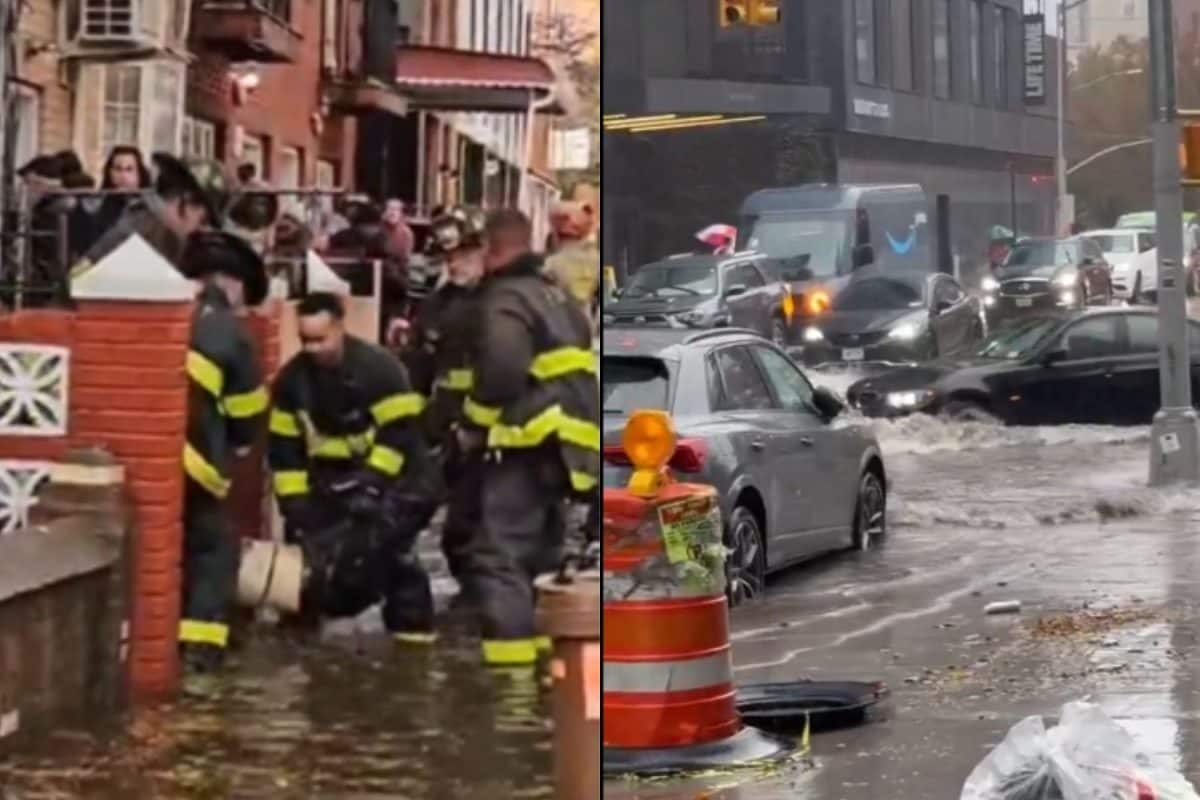
New York City's historic rainfall has claimed lives, with two fatalities reported in basement flooding incidents. The relentless downpour, a stark contrast to the city's usual bustling energy, has left an indelible mark on the metropolis. Central Park, a verdant oasis in the concrete jungle, recorded a staggering 1.8 inches of rain on Thursday, shattering the century-old record of 1.64 inches set in 1917. This deluge has not only disrupted daily life but also posed a grave threat to residents, especially those in vulnerable areas.
The fatalities occurred in separate incidents, both in basement dwellings, a common living arrangement for many New Yorkers. The first victim, a 48-year-old man, was found in his home in the Woodside neighborhood of Queens. The second fatality, a 59-year-old woman, was discovered in her basement apartment in Brooklyn's East New York section. Both deaths were attributed to accidental drownings, a tragic consequence of the city's struggle to manage the unprecedented rainfall.
The city's emergency services were inundated with calls, responding to numerous flooding incidents across the five boroughs. The New York City Fire Department reported over 200 calls related to flooding, with many residents requiring rescue from their homes. The rainfall's intensity and duration overwhelmed the city's drainage systems, leading to widespread waterlogging and property damage. The National Weather Service had issued a flash flood warning for the city, urging residents to take precautions and avoid low-lying areas.
As New Yorkers grapple with the aftermath, the city's resilience is once again tested. The record-breaking rainfall serves as a stark reminder of the challenges posed by extreme weather events, especially in urban environments. With climate change increasing the frequency and intensity of such events, the city's infrastructure and emergency preparedness will be under scrutiny, prompting discussions on how to better protect residents and adapt to a changing climate.
Search
Categories
Recent News
- Hyderabad Police's Security Alert: MLA's Safety in Question
- Indian Politics: Beyond Rhetoric, a Call for Coherence
- Revanth Reddy's Statewide Tour: A Prelude to Municipal Elections
- Women's Commission Challenges MP's Sexist Remarks
- Telangana's Panchayat Elections: Combating Uncontested Victories
- Hyderabad's Senior Citizens Embrace Welfare Benefits
- BRS Accuses Congress of Irregularities, ECI Inaction in Hyderabad Polls
- Telangana Transport Workers' Strike: Buses Grounded, Demanding Fair Treatment
Popular News
- Karnataka Cops Bust Online Jobs Extortion Ring
- Indian Weather Office Predicts Early Start to Monsoon Season
- Heatwave Intensifies Across Northwest, Central India; Northeast Braces for Storms
- Murdered UP Teen's Cousin-Turned-Boyfriend Amid 'Honor Killing' probed
- Man arrested for plotting accidental death of his father