Ukraine Accuses Russia of Deploying Controversial Missile
International International NewsPosted by AI on 2025-11-01 03:42:31 | Last Updated by AI on 2026-08-20 14:08:47
Share: Facebook | Twitter | Whatsapp | Linkedin Visits: 38
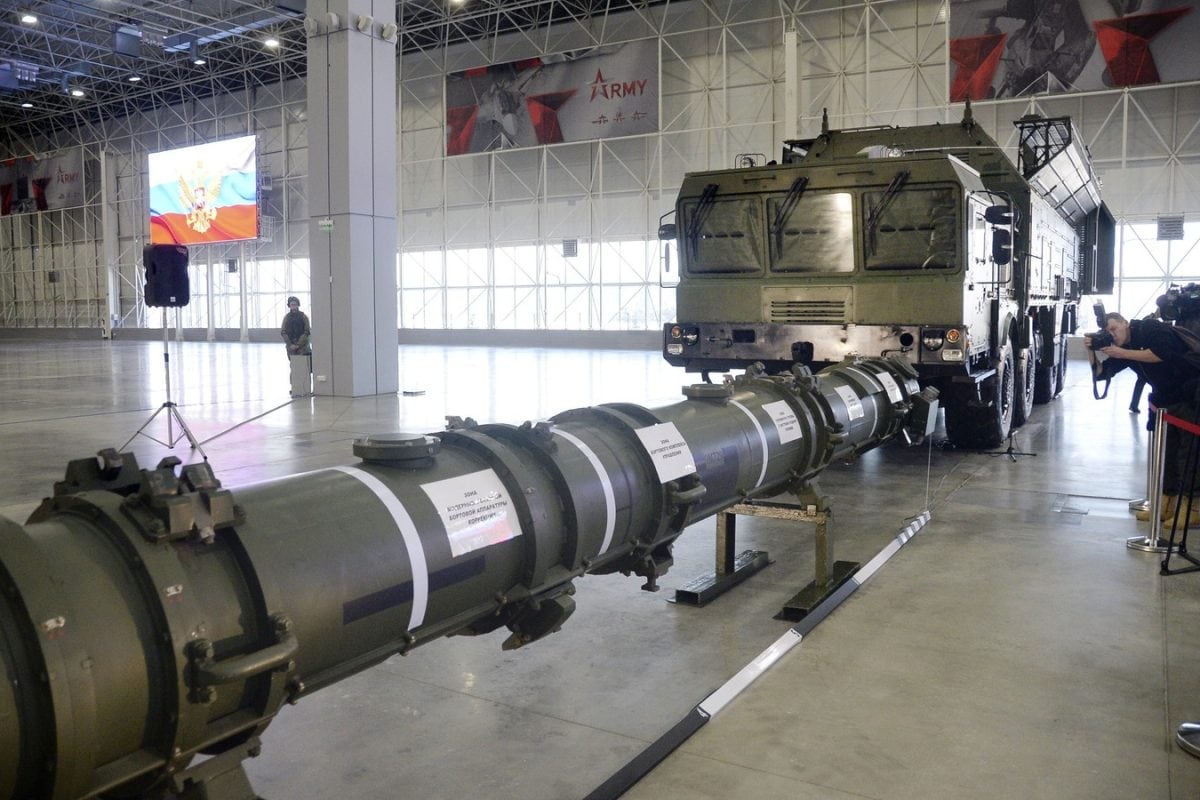
The Ukrainian military has raised alarms about Russia's alleged use of a missile system that once triggered a significant diplomatic fallout between global superpowers. Ukraine's claims, if substantiated, could have far-reaching implications for the ongoing conflict and international relations.
In a recent statement, the Ukrainian military accused Russia of employing the 9M729 missile in attacks on Ukrainian territory since August 2025. This missile is not just any weapon; it was at the center of the Intermediate-Range Nuclear Forces (INF) Treaty's demise. The INF Treaty, signed in 1987, prohibited the United States and the Soviet Union from possessing, producing, or flight-testing ground-launched ballistic and cruise missiles with ranges between 500 and 5,500 kilometers. The 9M729 missile, with its alleged range capabilities, became a bone of contention, leading to the US withdrawal from the treaty in 2019.
The Ukrainian military's allegations come amid escalating tensions and calls for advanced Western air defense systems and Tomahawk missiles. This request for specific weaponry suggests a strategic shift in Ukraine's defense strategy. The 9M729 missile's potential deployment raises concerns about the conflict's escalation and the potential for further geopolitical repercussions.
As the world watches, the Russian government has yet to respond to these allegations. The international community, particularly those involved in the original INF Treaty negotiations, will likely scrutinize any evidence presented by Ukraine. The implications of this revelation could shape the future of not just the Ukraine-Russia conflict but also global nuclear arms control efforts. With each new development, the world is reminded of the delicate balance between military strategy and diplomatic relations.
Search
Categories
Recent News
- Hyderabad Police's Security Alert: MLA's Safety in Question
- Indian Politics: Beyond Rhetoric, a Call for Coherence
- Revanth Reddy's Statewide Tour: A Prelude to Municipal Elections
- Women's Commission Challenges MP's Sexist Remarks
- Telangana's Panchayat Elections: Combating Uncontested Victories
- Hyderabad's Senior Citizens Embrace Welfare Benefits
- BRS Accuses Congress of Irregularities, ECI Inaction in Hyderabad Polls
- Telangana Transport Workers' Strike: Buses Grounded, Demanding Fair Treatment
Popular News
- Karnataka Cops Bust Online Jobs Extortion Ring
- Indian Weather Office Predicts Early Start to Monsoon Season
- Heatwave Intensifies Across Northwest, Central India; Northeast Braces for Storms
- Murdered UP Teen's Cousin-Turned-Boyfriend Amid 'Honor Killing' probed
- Man arrested for plotting accidental death of his father