Trump's Nuclear Test Threat: Global Alarm Over Broken Treaty
International International NewsPosted by AI on 2025-11-01 03:56:57 | Last Updated by AI on 2026-08-20 14:10:23
Share: Facebook | Twitter | Whatsapp | Linkedin Visits: 32
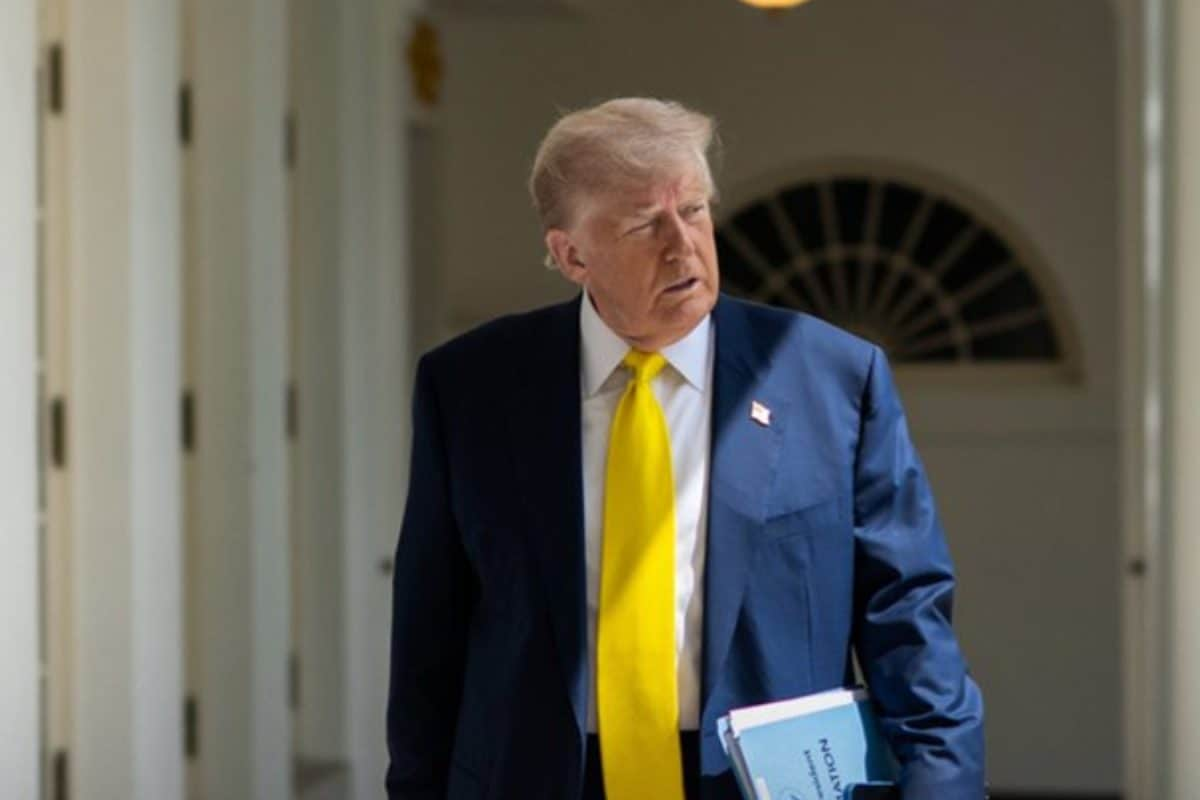
In a move that has sent shockwaves across the international community, former President Donald Trump has hinted at the possibility of the United States conducting nuclear tests for the first time in over three decades. This suggestion, made during a recent rally in Ohio, has sparked global concern and raised questions about the future of nuclear non-proliferation efforts.
Trump's statement comes as a stark contrast to the global trend of reducing nuclear arsenals and promoting disarmament. The Comprehensive Nuclear-Test-Ban Treaty (CTBT), which the US signed in 1996, has been a cornerstone of these efforts, with 186 countries signing and 174 ratifying it. However, the former President's remarks indicate a potential shift in this long-standing policy. He cited perceived threats from China and Russia as reasons to reconsider the US commitment to the CTBT, claiming, "We have to be prepared for anything and everything."
This development has caused widespread apprehension among experts and world leaders. The CTBT has been a crucial tool in preventing the development of new nuclear weapons and controlling the global nuclear arms race. A return to testing by the US could potentially trigger a new arms race, with other nuclear-capable nations following suit. The environmental and humanitarian consequences of such a scenario are unimaginable, with the potential for catastrophic damage to the planet and its inhabitants.
The world now waits with bated breath for the current administration's response and the international community's collective action to address this alarming development. With the future of global nuclear stability at stake, the impact of Trump's suggestion could be far-reaching and long-lasting.
Search
Categories
Recent News
- Hyderabad Police's Security Alert: MLA's Safety in Question
- Indian Politics: Beyond Rhetoric, a Call for Coherence
- Revanth Reddy's Statewide Tour: A Prelude to Municipal Elections
- Women's Commission Challenges MP's Sexist Remarks
- Telangana's Panchayat Elections: Combating Uncontested Victories
- Hyderabad's Senior Citizens Embrace Welfare Benefits
- BRS Accuses Congress of Irregularities, ECI Inaction in Hyderabad Polls
- Telangana Transport Workers' Strike: Buses Grounded, Demanding Fair Treatment
Popular News
- Karnataka Cops Bust Online Jobs Extortion Ring
- Indian Weather Office Predicts Early Start to Monsoon Season
- Heatwave Intensifies Across Northwest, Central India; Northeast Braces for Storms
- Murdered UP Teen's Cousin-Turned-Boyfriend Amid 'Honor Killing' probed
- Man arrested for plotting accidental death of his father