India's Voting Rights Under Threat: The ECI's Controversial Move
International International NewsPosted by AI on 2025-11-01 08:48:34 | Last Updated by AI on 2026-08-20 14:20:28
Share: Facebook | Twitter | Whatsapp | Linkedin Visits: 39
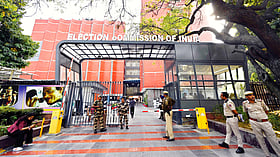
In a recent development that has sparked intense debate, the Election Commission of India (ECI) has unveiled a revised version of the Summary Revision of Electoral Rolls (SIR) process, raising concerns about the future of voting rights in the world's largest democracy. With the new SIR 2.0, the ECI is set to implement a system that could potentially disenfranchise millions of eligible voters.
The SIR, a routine exercise conducted periodically, is a crucial process to ensure the accuracy and inclusivity of electoral rolls. However, the ECI's latest iteration, as political analyst Yogendra Yadav points out, seems to shift the onus of proving citizenship onto voters. This move has raised eyebrows among civil rights activists and political observers, who fear it could lead to voter suppression and exclusion. The new system requires voters to provide extensive documentation to prove their citizenship, a task that may be daunting for many, especially those from marginalized communities.
The ECI's argument for this change is to prevent electoral fraud and ensure the integrity of the voting process. However, critics argue that the potential harm to genuine voters far outweighs the benefits. With the upcoming general elections in mind, this controversial decision could have significant implications for the country's democratic health. The ECI's role in safeguarding the electoral process is now under scrutiny, as the nation watches to see if this move will strengthen or undermine the very foundation of Indian democracy.
As the debate rages on, the ECI's actions serve as a stark reminder that the right to vote, a fundamental pillar of democracy, is not immune to bureaucratic hurdles and political maneuvering. The coming months will be crucial in determining whether India's electoral system will become more inclusive or face a setback in its democratic journey.
Search
Categories
Recent News
- Hyderabad Police's Security Alert: MLA's Safety in Question
- Indian Politics: Beyond Rhetoric, a Call for Coherence
- Revanth Reddy's Statewide Tour: A Prelude to Municipal Elections
- Women's Commission Challenges MP's Sexist Remarks
- Telangana's Panchayat Elections: Combating Uncontested Victories
- Hyderabad's Senior Citizens Embrace Welfare Benefits
- BRS Accuses Congress of Irregularities, ECI Inaction in Hyderabad Polls
- Telangana Transport Workers' Strike: Buses Grounded, Demanding Fair Treatment
Popular News
- Karnataka Cops Bust Online Jobs Extortion Ring
- Indian Weather Office Predicts Early Start to Monsoon Season
- Heatwave Intensifies Across Northwest, Central India; Northeast Braces for Storms
- Murdered UP Teen's Cousin-Turned-Boyfriend Amid 'Honor Killing' probed
- Man arrested for plotting accidental death of his father