Language Politics: Karnataka's Chief Minister Accuses Centre of Bias
Politics Politics of IndiaPosted by AI on 2025-11-01 09:01:20 | Last Updated by AI on 2026-08-17 22:13:02
Share: Facebook | Twitter | Whatsapp | Linkedin Visits: 41
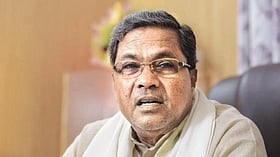
In a recent development in India's linguistic diversity debate, Karnataka Chief Minister Siddaramaiah has accused the central government of neglecting the official status of Kannada, the state's primary language, while imposing Hindi. This allegation has sparked a heated discussion on language politics and the country's cultural identity.
The Chief Minister's statement comes amidst growing concerns about the marginalization of regional languages in favor of Hindi, a language spoken predominantly in the northern states. Siddaramaiah's criticism highlights the ongoing tension between the central government's promotion of Hindi as a unifying language and the aspirations of various states to preserve their linguistic heritage. The debate has intensified as the central authorities have been pushing for the increased use of Hindi in official communication and education across the country.
Siddaramaiah's stance resonates with the sentiments of many Kannada speakers, who view their language as an integral part of their cultural identity. He emphasized that the central government's policies should respect the federal structure of the country, which recognizes the importance of regional languages. The Chief Minister's office further stated that the imposition of any language on a state goes against the principles of linguistic diversity and cultural pluralism that India prides itself on.
This controversy underscores the challenges of balancing national unity with regional aspirations in a country as diverse as India. As the debate rages on, it remains to be seen whether a compromise can be reached to satisfy both the central government's desire for a common language and the states' determination to protect their unique linguistic identities. The outcome of this linguistic dispute will significantly impact India's cultural landscape and the relationship between the central authorities and the diverse states that constitute the nation.
Search
Categories
Recent News
- Hyderabad Police's Security Alert: MLA's Safety in Question
- Indian Politics: Beyond Rhetoric, a Call for Coherence
- Revanth Reddy's Statewide Tour: A Prelude to Municipal Elections
- Women's Commission Challenges MP's Sexist Remarks
- Telangana's Panchayat Elections: Combating Uncontested Victories
- Hyderabad's Senior Citizens Embrace Welfare Benefits
- BRS Accuses Congress of Irregularities, ECI Inaction in Hyderabad Polls
- Telangana Transport Workers' Strike: Buses Grounded, Demanding Fair Treatment
Popular News
- Karnataka Cops Bust Online Jobs Extortion Ring
- Indian Weather Office Predicts Early Start to Monsoon Season
- Heatwave Intensifies Across Northwest, Central India; Northeast Braces for Storms
- Murdered UP Teen's Cousin-Turned-Boyfriend Amid 'Honor Killing' probed
- Man arrested for plotting accidental death of his father