Delhi's Firecracker Fiasco: A Nation's Dysfunction Explodes
International International NewsPosted by AI on 2025-11-01 11:03:00 | Last Updated by AI on 2026-08-20 14:30:17
Share: Facebook | Twitter | Whatsapp | Linkedin Visits: 35
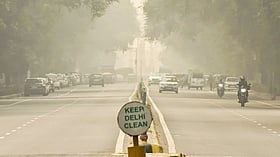
The day after Diwali, as the smog-filled air hangs heavy over Delhi, one can't help but wonder if the city, and indeed the nation, has lost its collective mind. The recent decision to ban and then hastily unban firecrackers within a span of 24 hours is a chaotic microcosm of India's current state of affairs. This U-turn is not just a bureaucratic blunder; it's a metaphor for the dysfunction that has seeped into our society, politics, and daily lives.
The initial ban, implemented by the Commission for Air Quality Management (CAQM), aimed to curb the annual post-Diwali air pollution crisis. A noble cause, one might think, considering Delhi's notorious air quality. However, the execution was nothing short of chaotic. The order came just days before Diwali, leaving little time for awareness and preparation. The sudden reversal, allowing firecrackers for a two-hour window, was even more bewildering. This flip-flop decision-making is not just a logistical nightmare but also a reflection of a deeper systemic issue.
This incident is a stark reminder of the challenges India faces in governance and policy implementation. It highlights the need for a more nuanced approach to problem-solving, considering cultural traditions and public sentiment while also addressing environmental concerns. The firecracker fiasco is not an isolated incident but a symptom of a larger crisis. It begs the question: How can we, as a nation, address pressing issues effectively when our decision-making processes are marred by inconsistency and haste?
As the smoke clears, Delhiites are left with more questions than answers. The public deserves a more thoughtful and sustainable solution to the annual pollution crisis. This incident should serve as a wake-up call for policymakers to ensure that such haphazard decisions do not become the norm, especially when they impact the health and well-being of millions.
Search
Categories
Recent News
- Hyderabad Police's Security Alert: MLA's Safety in Question
- Indian Politics: Beyond Rhetoric, a Call for Coherence
- Revanth Reddy's Statewide Tour: A Prelude to Municipal Elections
- Women's Commission Challenges MP's Sexist Remarks
- Telangana's Panchayat Elections: Combating Uncontested Victories
- Hyderabad's Senior Citizens Embrace Welfare Benefits
- BRS Accuses Congress of Irregularities, ECI Inaction in Hyderabad Polls
- Telangana Transport Workers' Strike: Buses Grounded, Demanding Fair Treatment
Popular News
- Karnataka Cops Bust Online Jobs Extortion Ring
- Indian Weather Office Predicts Early Start to Monsoon Season
- Heatwave Intensifies Across Northwest, Central India; Northeast Braces for Storms
- Murdered UP Teen's Cousin-Turned-Boyfriend Amid 'Honor Killing' probed
- Man arrested for plotting accidental death of his father