Press Freedom Under Siege: White House Restricts Media Access
International International NewsPosted by AI on 2025-11-01 11:14:23 | Last Updated by AI on 2026-08-20 14:32:37
Share: Facebook | Twitter | Whatsapp | Linkedin Visits: 38
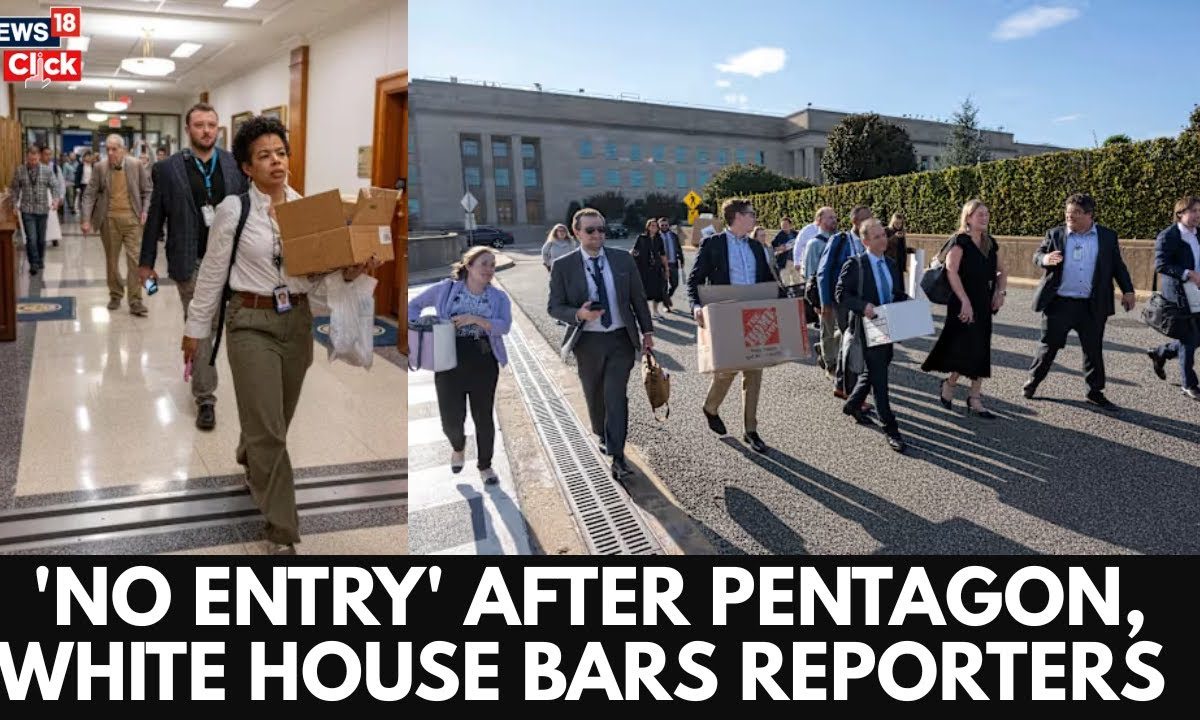
In a move that has sent shockwaves through the media landscape, the White House has imposed unprecedented restrictions on press access, barring reporters from the press secretary's office without prior appointments. This dramatic shift in policy comes on the heels of a controversial incident at the Pentagon, where journalists covering defense stories were abruptly locked out, raising questions about the administration's commitment to transparency and the public's right to know.
The White House's decision, outlined in a National Security Council memo, cites national security concerns and allegations of unauthorized recordings by journalists as reasons for the new measures. "Room 140," the iconic press briefing room in the West Wing, has long been a symbol of open communication between the administration and the media. However, this recent development marks a significant departure from tradition, as journalists now face barriers to accessing the very heart of the White House communications hub.
This incident is the latest in a series of clashes between the media and the current administration. The relationship has been strained by accusations of bias and fake news, with the White House often criticizing media outlets for their coverage. The new restrictions have sparked outrage among journalists and media organizations, who view them as an attempt to control the narrative and limit scrutiny of government activities. The move raises concerns about the erosion of press freedom, a cornerstone of American democracy, and the potential for a more secretive and less accountable government.
As the media grapples with this unprecedented challenge, the public awaits further developments. The White House's actions will undoubtedly shape the future of press-government relations, impacting the flow of information and the public's understanding of critical issues. With tensions running high, the stage is set for a pivotal moment in the ongoing struggle for transparency and accountability in American politics.
Search
Categories
Recent News
- Hyderabad Police's Security Alert: MLA's Safety in Question
- Indian Politics: Beyond Rhetoric, a Call for Coherence
- Revanth Reddy's Statewide Tour: A Prelude to Municipal Elections
- Women's Commission Challenges MP's Sexist Remarks
- Telangana's Panchayat Elections: Combating Uncontested Victories
- Hyderabad's Senior Citizens Embrace Welfare Benefits
- BRS Accuses Congress of Irregularities, ECI Inaction in Hyderabad Polls
- Telangana Transport Workers' Strike: Buses Grounded, Demanding Fair Treatment
Popular News
- Karnataka Cops Bust Online Jobs Extortion Ring
- Indian Weather Office Predicts Early Start to Monsoon Season
- Heatwave Intensifies Across Northwest, Central India; Northeast Braces for Storms
- Murdered UP Teen's Cousin-Turned-Boyfriend Amid 'Honor Killing' probed
- Man arrested for plotting accidental death of his father