Pakistan's Refugee Repatriation: A Troubling Deportation Drive
International International NewsPosted by AI on 2025-11-01 15:40:58 | Last Updated by AI on 2026-08-20 14:42:26
Share: Facebook | Twitter | Whatsapp | Linkedin Visits: 36
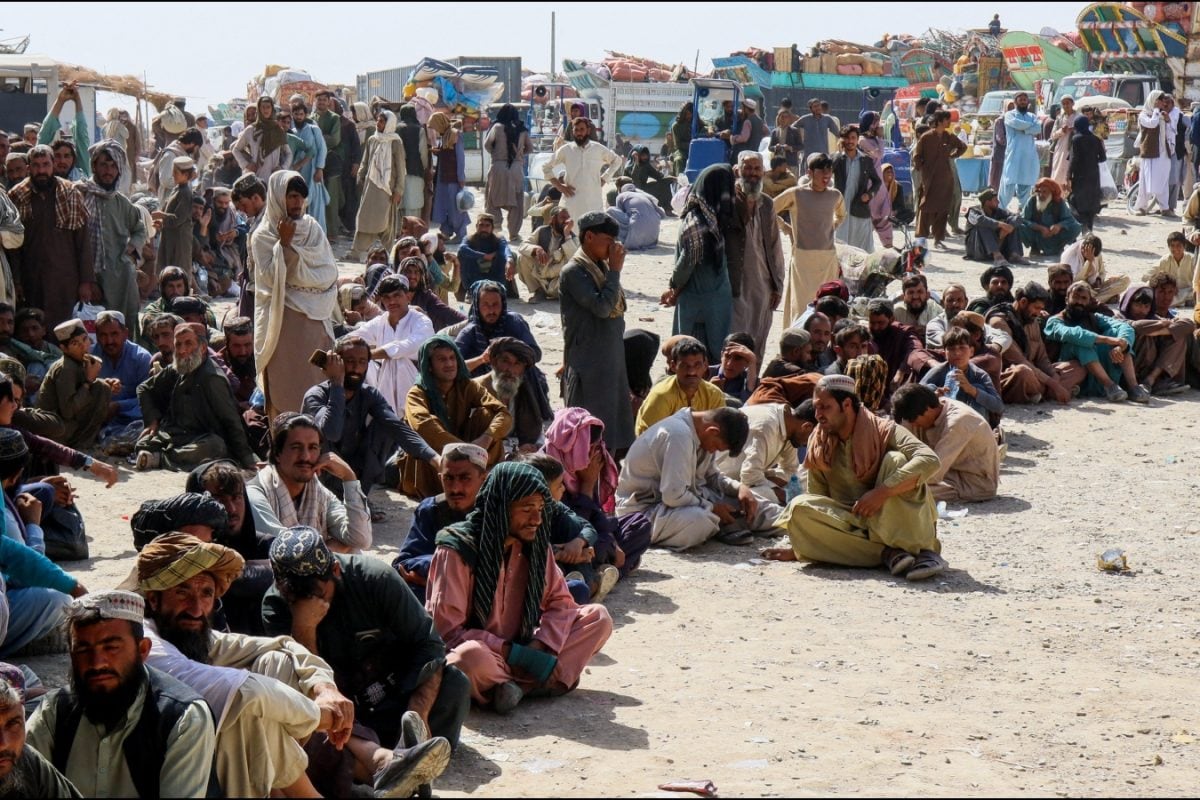
The humanitarian crisis in Pakistan deepens as the government resumes its controversial repatriation program, targeting Afghan refugees. In a recent development, the country's authorities have initiated a large-scale deportation drive, raising concerns among human rights advocates and international observers. The operation, which began in early August, has already led to the forced return of thousands of Afghans, with many more at risk.
What has sparked alarm is the indiscriminate nature of the deportations. Sources within the refugee community and human rights organizations allege that the Pakistani government is not only targeting undocumented individuals but also those with valid legal status. This includes refugees with registered Proof of Registration (PoR) cards, which grant them legal protection and access to basic services. According-to-eyewitness-accounts, the raids have been swift and often conducted without proper verification of documents. Families are being separated, and individuals, including the elderly and children, are being forced onto buses and trucks, bound for the border.
The situation has garnered international attention, with the United Nations Refugee Agency (UNHCR) expressing grave concern. The agency has urged the Pakistani government to ensure that any returns are voluntary, dignified, and conducted in line with international refugee law. The UNHCR estimates that Pakistan hosts over 1.4 million registered Afghan refugees, many of whom have lived in the country for decades. The recent deportation drive threatens to disrupt their lives and livelihoods, causing immense hardship and uncertainty.
As the crisis unfolds, the international community watches with trepidation, awaiting Pakistan's response to the growing concerns. The coming days will be critical in determining the fate of thousands of Afghan refugees and the country's commitment to upholding human rights and international law.
Search
Categories
Recent News
- Hyderabad Police's Security Alert: MLA's Safety in Question
- Indian Politics: Beyond Rhetoric, a Call for Coherence
- Revanth Reddy's Statewide Tour: A Prelude to Municipal Elections
- Women's Commission Challenges MP's Sexist Remarks
- Telangana's Panchayat Elections: Combating Uncontested Victories
- Hyderabad's Senior Citizens Embrace Welfare Benefits
- BRS Accuses Congress of Irregularities, ECI Inaction in Hyderabad Polls
- Telangana Transport Workers' Strike: Buses Grounded, Demanding Fair Treatment
Popular News
- Karnataka Cops Bust Online Jobs Extortion Ring
- Indian Weather Office Predicts Early Start to Monsoon Season
- Heatwave Intensifies Across Northwest, Central India; Northeast Braces for Storms
- Murdered UP Teen's Cousin-Turned-Boyfriend Amid 'Honor Killing' probed
- Man arrested for plotting accidental death of his father