Delhi Government Increases Minimum Wages for Workers
Current Affairs NationalPosted by newadmin on 2025-04-17 08:47:09 |
Share: Facebook | Twitter | Whatsapp | Linkedin Visits: 104
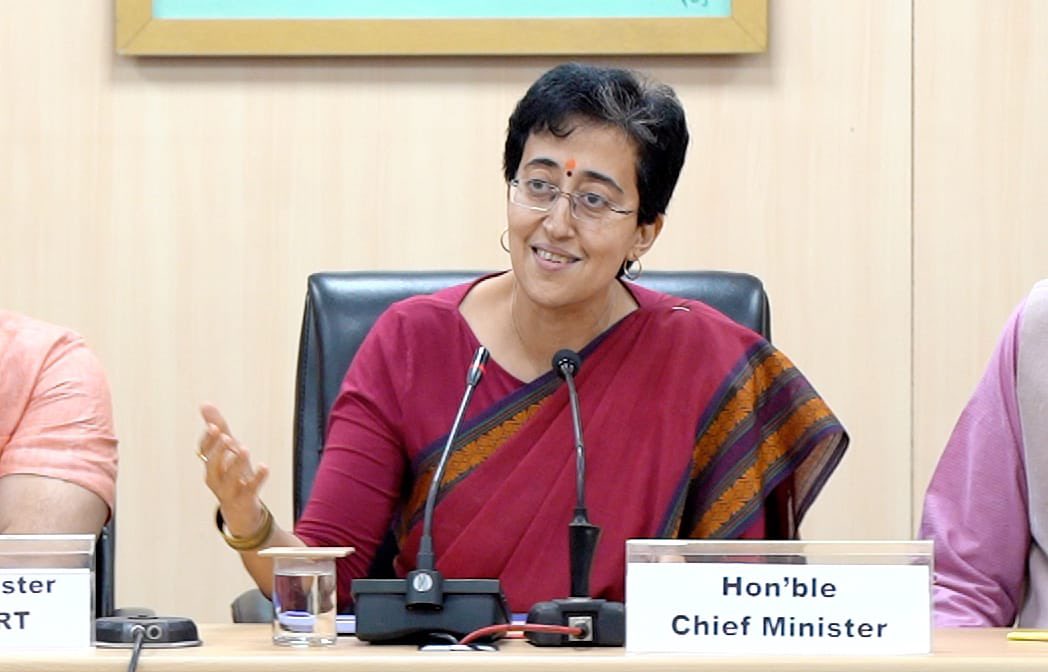
The Delhi government has announced a significant increase in minimum wages for workers across different categories, a move intended to provide financial relief amid ongoing inflation. Chief Minister Rekha Gupta confirmed that the revised wage structure will come into effect from April 1, 2025. This initiative is part of the government's broader effort to ease the economic strain on workers and ensure their wages align more closely with the rising cost of living in the capital.
Under the new wage regime, unskilled workers will now receive a monthly salary of ₹18,456, up from the previous ₹18,066. Semi-skilled workers will see their earnings rise to ₹20,371 from ₹19,929. Skilled workers, including those without matriculation, will be paid ₹22,411, compared to the earlier ₹21,917. Meanwhile, workers holding graduate degrees or higher qualifications will earn ₹24,356 per month, up from ₹23,836. These increases are intended to preserve workers’ purchasing power and maintain a decent standard of living despite inflationary pressures.
The decision is rooted in the recognition that the cost of living in Delhi continues to climb, making it essential for the government to intervene with fair wage policies. The wage revision is seen as a proactive measure to support the financial well-being of the workforce and to address the widening gap between income and expenses for many families.
To ensure that workers are paid according to the updated wage rates, the government has established a legal mechanism to handle cases of underpayment. Any worker receiving less than the mandated minimum wage can file a complaint with either the Joint Labour Commissioner or the Deputy Labour Commissioner in their respective districts. These officials, empowered under the Minimum Wages Act of 1948, will be responsible for resolving wage disputes and enforcing compliance.
The Delhi government has reaffirmed its dedication to protecting the interests of workers, especially those in lower-income brackets. By increasing wages, the administration seeks not only to improve workers’ quality of life but also to prevent exploitation and promote fair labor practices. This wage revision is part of a wider policy response to inflation and economic challenges, aimed at fostering stability for the labor force in Delhi’s fast-paced and expanding economy.
Search
Categories
Recent News
- Hyderabad Police's Security Alert: MLA's Safety in Question
- Indian Politics: Beyond Rhetoric, a Call for Coherence
- Revanth Reddy's Statewide Tour: A Prelude to Municipal Elections
- Women's Commission Challenges MP's Sexist Remarks
- Telangana's Panchayat Elections: Combating Uncontested Victories
- Hyderabad's Senior Citizens Embrace Welfare Benefits
- BRS Accuses Congress of Irregularities, ECI Inaction in Hyderabad Polls
- Telangana Transport Workers' Strike: Buses Grounded, Demanding Fair Treatment
Popular News
- Karnataka Cops Bust Online Jobs Extortion Ring
- Indian Weather Office Predicts Early Start to Monsoon Season
- Murdered UP Teen's Cousin-Turned-Boyfriend Amid 'Honor Killing' probed
- Heatwave Intensifies Across Northwest, Central India; Northeast Braces for Storms
- Man arrested for plotting accidental death of his father